
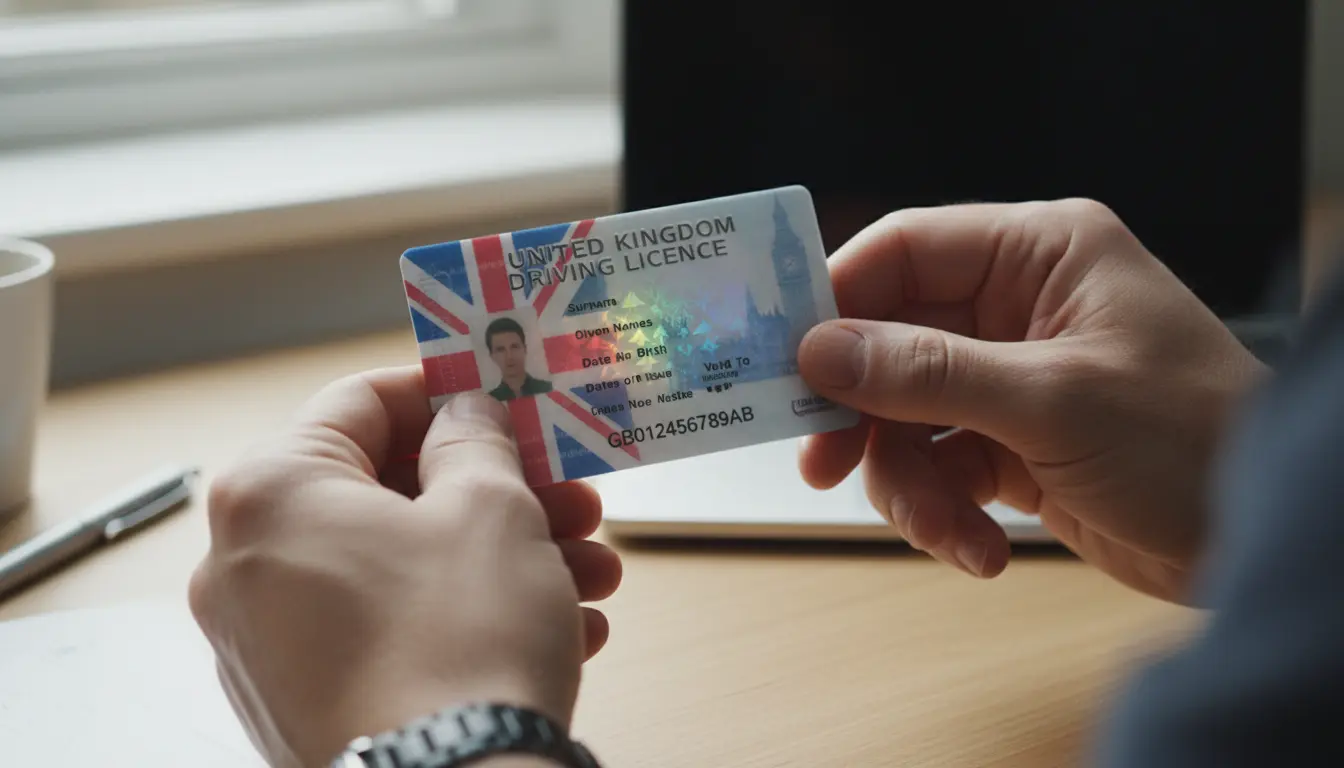
The Driver and Vehicle Licensing Agency (DVLA) has confirmed changes to UK driving licences that take effect from March 2026. This article explains the confirmed changes, who is affected, and practical steps to prepare.
DVLA Confirms Driving Licence Changes from March 2026 — What to Expect
The DVLA update includes administrative changes to licence renewal, digital services expansion, and updated requirements for certain medical and occupational categories. These changes aim to streamline processes and reduce paper handling.
Below are the core points you should know and simple actions to take if your licence will be affected.
Summary of confirmed changes
- Greater use of digital licences and online checks for routine renewals.
- New documentation standards for medical declarations and endorsements.
- Changes to licence validity periods for some age and health categories.
- Improved data-sharing with other UK agencies for licence verification.
Who will be affected by the March 2026 changes?
Most private car drivers will see only minor differences at renewal. Drivers with specific medical conditions, professional drivers, and those with endorsements should pay closer attention.
Examples of affected groups:
- Professional drivers (PCV, LGV) with regular medical checks.
- Drivers declaring chronic medical conditions such as epilepsy or diabetes.
- Drivers nearing age-related renewal points where validity periods change.
Practical steps to prepare for the driving licence changes
Preparing early reduces the chance of losing driving entitlement or facing fines. Follow these practical steps before March 2026.
- Check your licence expiry date on GOV.UK and set a reminder three months in advance.
- Update your contact and identity details online using the DVLA service.
- Gather medical evidence if you have a condition that requires reporting.
- If you are a professional driver, confirm any extra checks with your employer.
How to update details online
Use the GOV.UK DVLA online service for most updates. You will need your driving licence number, National Insurance number, and a valid UK passport or other accepted ID for identity checks.
Steps:
- Go to GOV.UK and choose the relevant DVLA service.
- Sign in or use the one-time identity checks.
- Submit required documents and follow the confirmation prompts.
From March 2026 the DVLA will accept a wider range of digital documents for identity checks, reducing the need for paper forms in many renewal cases.
What changes for medical reporting and renewals?
Medical reporting rules tighten for some conditions. The DVLA will request more structured medical evidence in specific cases, and renewals may be shortened where regular monitoring is required.
If you have a condition that affects driving you should:
- Contact your GP or specialist early to arrange up-to-date medical reports.
- Keep copies of submitted medical forms and correspondence.
- Be aware that some licences may be granted for shorter periods to allow periodic review.
Examples of possible medical-related changes
- Licence renewals every 1–3 years for certain neurological conditions.
- Mandatory occupational checks for bus and lorry drivers at set intervals.
- Use of secure digital medical submissions for faster processing.
Real-world example: A driver prepared for March 2026
Case study — James is a 52-year-old LGV driver with well-controlled diabetes. He received notice from his employer about the DVLA changes and booked a medical review. James submitted his latest diabetic clinic report through the DVLA online portal three months before his renewal.
The result: James received a confirmation email and a licence valid for two years with a scheduled re-check. His employer avoided unexpected downtime, and James did not have to send paper forms by post.
What to do if you disagree with a DVLA decision
If the DVLA places restrictions on your licence or shortens its validity and you disagree, you can request a review. The DVLA must explain the reasons and provide appeal options.
Steps to appeal:
- Request a formal review in writing or via the DVLA online service.
- Provide new medical evidence or third-party supporting documents.
- If still unresolved, seek independent medical assessment or legal advice.
Key takeaways and checklist
The March 2026 changes are aimed at improving efficiency and safety. Most drivers will experience smoother online services, while those with medical conditions or professional licences should prepare for closer review.
Quick checklist:
- Check your expiry date now and set reminders.
- Update contact and ID details online with the DVLA.
- Gather and submit medical evidence early if required.
- Contact your employer if you drive professionally.
If you follow these practical steps you should avoid last-minute problems and ensure continued entitlement to drive after March 2026.