
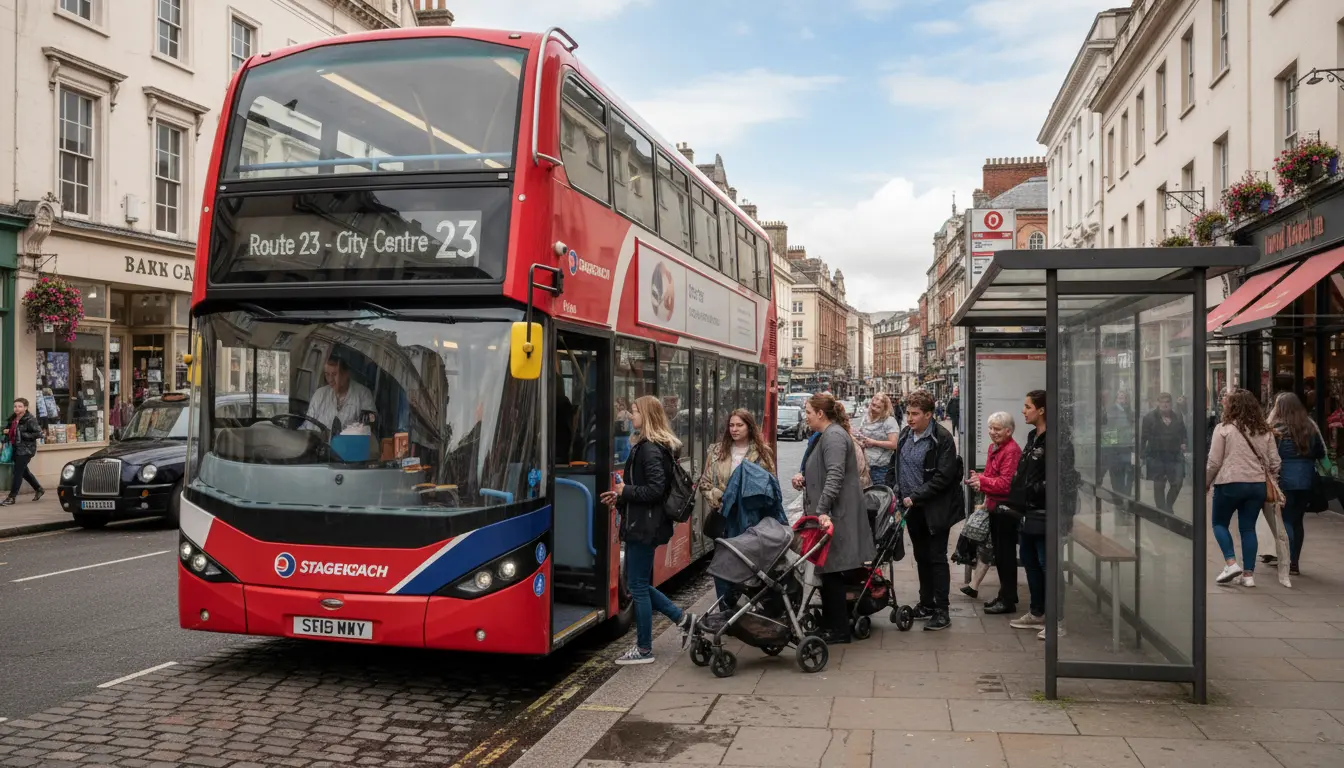
The UK introduces new bus pass rules on March 15, 2026. This article explains the key changes, who is affected, how to update or apply for a pass, and practical steps to avoid travel disruption.
New UK Bus Pass Rules: What changes on March 15, 2026?
From March 15, 2026, national concessionary travel regulations and local scheme updates will bring several practical changes. The main aims are to modernise passes, improve fraud prevention, and clarify eligibility rules.
Changes include updated eligibility checks, revised validity rules for certain passes, and new identity requirements when using concessionary travel.
Key rule changes at a glance
- Stronger ID checks for on-bus verification in some areas.
- Digital pass options become standard alongside physical cards.
- Updated eligibility and renewal schedules for certain groups.
- Local councils may add route or time restrictions where funding demands it.
Who is affected by the new UK bus pass rules?
The changes affect holders of concessionary bus passes across England, Scotland, Wales, and Northern Ireland, though local councils may implement variations. Commonly affected groups are older adults, people with qualifying disabilities, and carers with valid passes.
Not every pass holder will see the same change. Some areas will only change verification methods or offer new digital options without altering travel entitlement.
Groups to check with their local council
- Pensioner concessionary pass holders (check state pension age definitions).
- Disabled passenger concessionaries (new supporting evidence may be requested).
- Registered carers and companion pass holders (confirmation of care status may be updated).
How to apply or update your bus pass before March 15, 2026
If you are eligible or already hold a pass, contact your local council now to confirm any required actions. Many councils offer online renewal and digital-card sign-up to simplify the process.
Typical steps to apply or update:
- Visit your local council website and search for concessionary travel or bus pass services.
- Prepare identification and proof of eligibility (ID, benefit letters, medical evidence if required).
- Complete the online application or book an appointment at a local office.
- Choose digital pass or physical card where offered and note any verification steps for travel.
Required documents and evidence
- Proof of age (passport or driving licence) for pensioner passes.
- Medical or benefit evidence for disability-related passes.
- Proof of local address (utility bill or council tax statement).
Local variations and exceptions to the New UK Bus Pass Rules
Transport is devolved and locally funded, so councils can adopt specific measures within national guidance. Some councils will keep arrangements unchanged, while others may introduce time or zone limits.
Examples of local variations include:
- Time restrictions (no free travel during peak commuter hours on certain routes).
- Zone restrictions (free travel limited to a borough or region).
- Supplementary IDs required for boarding in high-fraud areas.
Practical tips to avoid disruption on March 15, 2026
- Check your council website well before March 15 for specific local instructions.
- Apply or renew early; allow time for delivery of physical cards or setup of digital passes.
- Carry supporting ID when travelling, especially in areas piloting stronger checks.
- Download and set up any recommended transport apps in advance if opting for a digital pass.
Several UK councils piloted digital bus passes in 2024 and 2025, reporting faster boarding times and fewer lost-card complaints. Digital passes can often be used alongside a physical card.
Real-world example: A local case study
Maureen, 72, lives in Leeds and uses a pensioner bus pass daily. Leeds Council offered an online renewal and an optional digital pass in early 2026. Maureen applied online, uploaded her ID, and received a digital pass she links to her smartphone.
On March 15 she showed the digital pass when boarding a city bus. Drivers scanned the pass with handheld devices, which confirmed validity and reduced the need for repeated paper checks. Maureen avoided waiting for a replacement physical card and continued travelling without interruption.
Frequently asked questions about the New UK Bus Pass Rules
Will my free travel entitlement change?
Most pass holders keep the same core entitlements, but local limits may apply. Always check the details your council publishes for any time or zone restrictions.
Do I have to switch to a digital pass?
No. Digital passes are usually optional. Councils must continue to offer a physical card unless they state otherwise in local policy announcements.
What if my council asks for new evidence?
Provide the requested documents promptly. Councils typically allow a grace period and will explain acceptable evidence types. Contact them if you need help gathering documents.
Where to get help and reliable information
Start with your local council’s official website for the most accurate and area-specific information. National transport guidance pages and the Department for Transport also publish updates.
For assistance with paperwork or digital setup, many councils offer phone support, in-person help at libraries or community centres, and step-by-step online guides.
Summary: March 15, 2026 brings modernisation and new verification steps for UK bus passes, but most entitlements remain. Act early, check local guidance, and prepare ID to ensure smooth travel.