
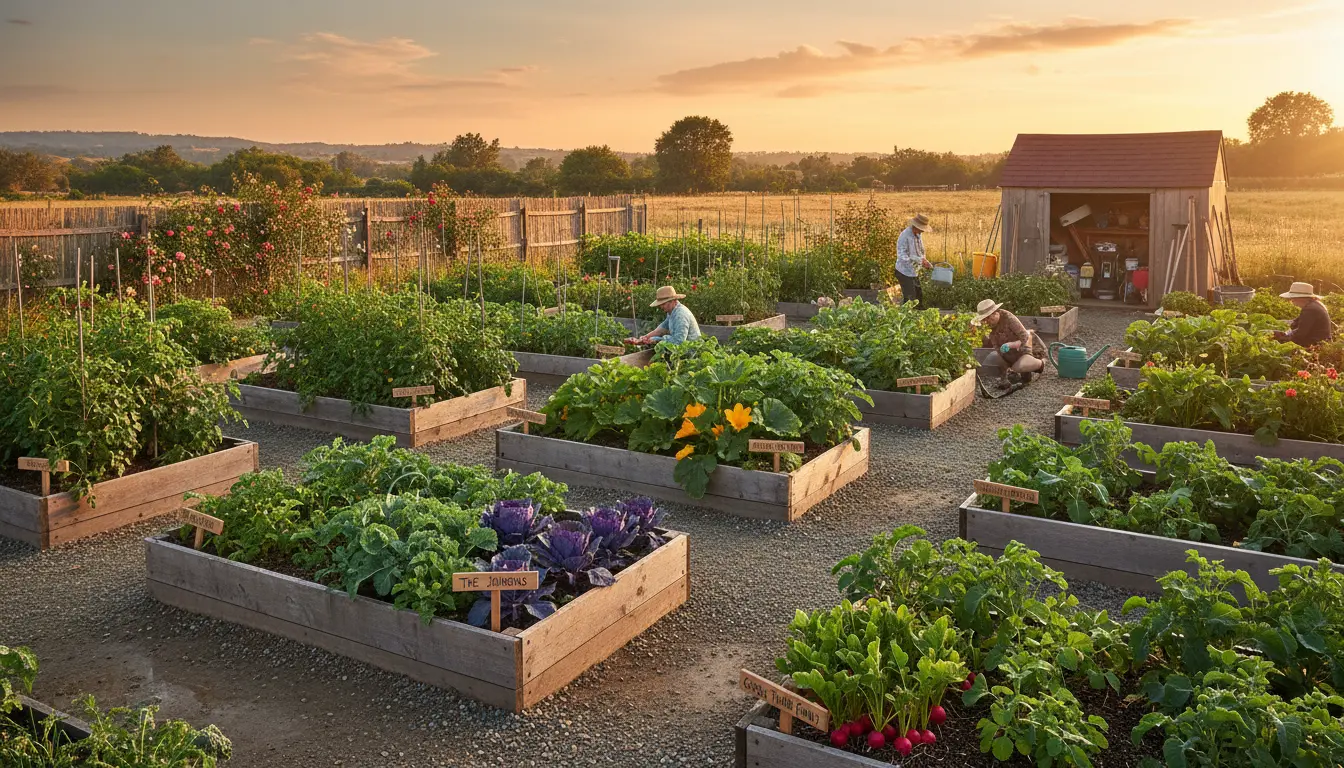
Why Choose a Small Vegetable Garden
Growing a small vegetable garden is an efficient way to produce fresh food, save money, and enjoy outdoor activity. A compact plot fits balconies, small yards, and community garden plots.
This guide explains clear steps to plan, plant, and maintain a successful small vegetable garden with practical tips you can apply immediately.
Plan Your Small Vegetable Garden
Start with a simple plan. Identify the space, sunlight, and water access before buying seeds or soil.
A good plan reduces wasted effort and helps you choose the right crops for the conditions.
Choose the Right Location for a Small Vegetable Garden
Select a spot that gets at least six hours of direct sun for most vegetables. Morning sun is best to dry dew and reduce disease pressure.
Consider proximity to a hose, visibility from your home, and wind protection when possible.
Decide on Garden Type and Size
Options include raised beds, containers, or a small in-ground patch. Raised beds are ideal for compact spaces because they offer better drainage and easier soil control.
Common beginner size: a 4×8 foot raised bed yields a practical harvest and is easy to maintain.
Prepare Soil and Choose Plants
Healthy soil is the foundation of a productive small vegetable garden. Test or assess soil texture and fertility before planting.
Amend soil with compost and a balanced organic fertilizer to improve structure and nutrients.
Soil Preparation Steps
- Remove weeds, rocks, and debris from the planting area.
- Mix 2–4 inches of compost into the top 6–8 inches of soil.
- Mulch around new plants to retain moisture and suppress weeds.
Choose Easy Crops for a Small Vegetable Garden
Select crops that fit small spaces and harvest quickly. Good beginner choices include:
- Lettuce, spinach, and salad greens (fast-growing, fit in small rows)
- Radishes and baby carrots (quick harvest in loose soil)
- Tomatoes in containers or cages (choose determinate or patio varieties)
- Herbs like basil, parsley, and chives
Planting and Layout Tips for a Small Vegetable Garden
Use companion planting and vertical space to maximize yields in a limited area. Staggered planting extends harvests over weeks.
Plan rows or blocks rather than long single rows. Blocks use space more efficiently and reduce walking across beds.
Use Vertical Structures
Install trellises, cages, or stakes for vining crops such as peas, beans, and indeterminate tomatoes. Vertical growth frees ground space for other plants.
Succession Planting and Spacing
Practice succession planting by sowing short-season crops every 2–3 weeks. This keeps your small vegetable garden producing all season.
Respect seed packet spacing but consider intensive spacing for baby greens and microgreens to maximize yield.
Watering and Maintenance
Consistent water is critical for a small vegetable garden. Deep, infrequent watering encourages strong root systems.
Early morning watering minimizes evaporation and leaf wetness during the night.
Simple Watering Schedule
- Newly planted seeds/seedlings: keep soil consistently moist until established.
- Mature vegetables: water deeply 1–2 times per week, depending on weather.
- Use drip irrigation or soaker hoses to conserve water and reduce foliage wetness.
Pest Control and Disease Prevention
Monitor plants weekly for signs of pests and disease. Early detection allows simple, effective controls.
Use these practical measures to protect your small vegetable garden:
- Rotate crops yearly to reduce disease buildup.
- Encourage beneficial insects with flowering plants like marigolds or alyssum.
- Use row covers for early-season protection from pests like cabbage worms.
Harvesting and Extending the Season
Harvest vegetables at peak maturity for best flavor and to encourage continued production. Regular picking often increases yields.
Use cloches, cold frames, or simple row covers to extend the growing season into cooler months.
Raised beds warm faster in spring and can produce harvests up to 2–3 weeks earlier than in-ground plots.
Case Study: 10×10 Backyard Small Vegetable Garden
Maria converted a 10×10 foot corner of her yard into a mixed vegetable garden using two 4×4 raised beds and containers. She focused on high-yield, short-season crops.
In the first season she grew tomatoes, bush beans, spinach, lettuce, and herbs. Total output: weekly salad greens for two people and several pints of cherry tomatoes per week at peak harvest.
Key actions that led to success: preparing rich soil with compost, using a simple drip irrigation system, and rotating crops between beds each season.
Quick Checklist for a Successful Small Vegetable Garden
- Select a sunny, accessible location
- Prepare soil with compost and correct pH
- Choose compact, fast-growing varieties
- Use vertical space and succession planting
- Water deeply and consistently
- Monitor pests and rotate crops annually
Final Tips for Beginners
Start small and expand as you gain confidence. Success with a compact plot builds the skills you need for larger gardens later.
Keep a simple garden journal of planting dates, seed varieties, and harvests to improve planning year to year.
With thoughtful planning and weekly care, a small vegetable garden can supply fresh produce, reduce grocery trips, and provide satisfying outdoor work.