
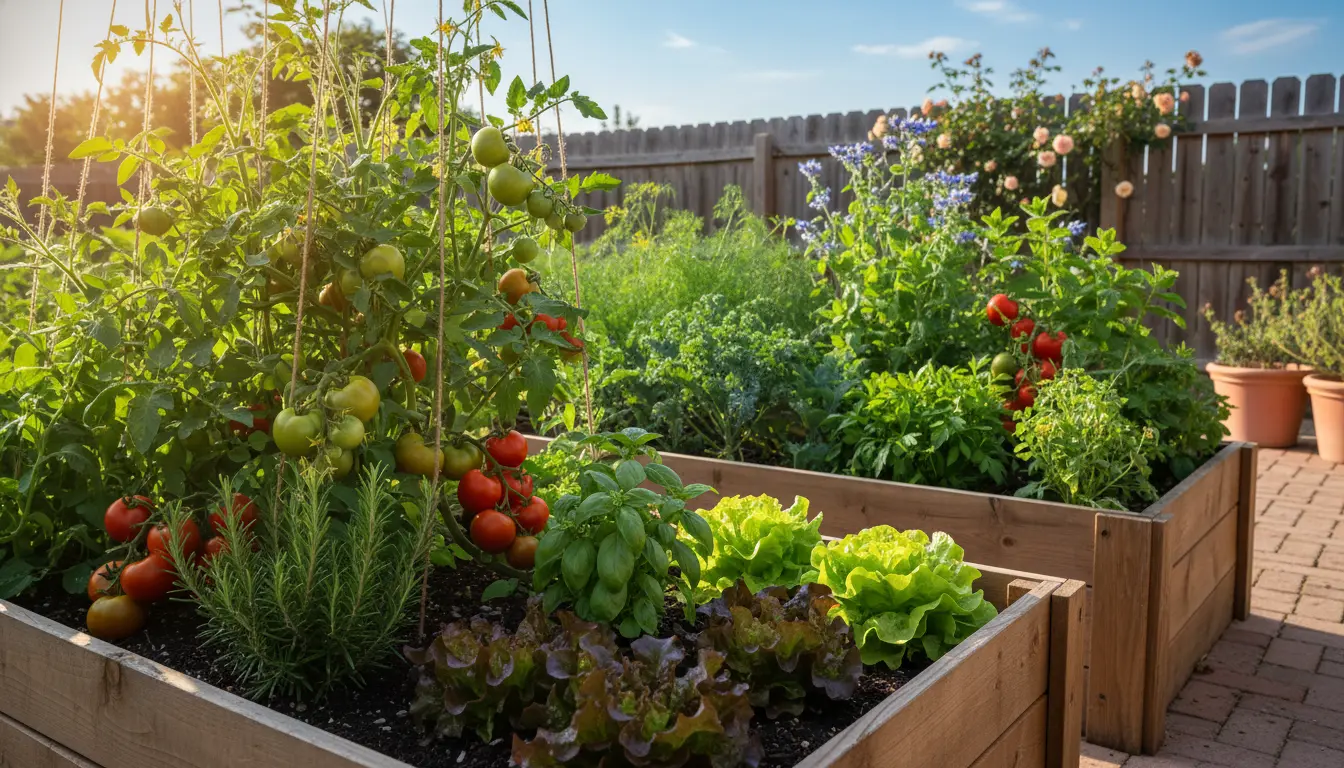
Starting a vegetable garden is an achievable project for most homeowners and renters. This guide explains practical steps to help you plan, prepare, plant, and maintain a productive vegetable garden.
How to Start a Vegetable Garden: Choose a Location
Pick a spot that receives at least 6 hours of direct sunlight daily for most vegetables. Good light improves yields and reduces disease pressure.
Check access to water and ease of walking to the bed for routine care. Consider wind protection and nearby trees that may steal light and nutrients.
How to Start a Vegetable Garden: Plan Your Garden Layout
Decide on bed type: in-ground rows, raised beds, or containers. Each has pros and cons related to cost, drainage, and soil control.
- Raised beds: better drainage, fewer weeds, easier access.
- In-ground: lower initial cost, larger planting area.
- Containers: flexible for small spaces and patios.
Plant Selection When You Start a Vegetable Garden
Choose vegetables suited to your climate and season. Start with reliable, easy crops such as lettuce, radishes, tomatoes, beans, and herbs.
Check your USDA hardiness zone or local extension recommendations for planting dates and varieties.
How to Start a Vegetable Garden: Prepare Soil and Amendments
Healthy soil is the foundation of a successful garden. Test the soil pH and nutrient levels with a basic kit or local extension service.
Amend soil based on results: add compost for organic matter, lime to raise pH, or sulfur to lower pH. Work amendments into the top 6–8 inches.
Mixing a Basic Raised Bed Soil
A simple, reliable mix: 40% topsoil, 40% compost, 20% coarse sand or coconut coir for drainage. This creates a well-draining, nutrient-rich medium for most vegetables.
How to Start a Vegetable Garden: Planting and Spacing
Follow seed packet or plant tag spacing to avoid crowding, which can increase disease and reduce yields. Thinning seedlings early improves air flow.
Use succession planting for continuous harvests. For example, sow lettuce every two weeks to extend the harvest period.
Seed vs. Transplant Decisions
Fast-growing crops like radishes and lettuce are fine from seed. Slow starters like tomatoes and peppers usually perform better as transplants.
How to Start a Vegetable Garden: Watering and Fertilizing
Establish a consistent watering schedule. Aim for deep, infrequent watering to encourage strong root systems.
Use drip irrigation or soaker hoses to deliver water at the soil level and reduce foliage wetness that can cause disease.
- Fertilize with balanced organic fertilizers at planting and mid-season as needed.
- Top-dress beds with compost every season to maintain soil health.
How to Start a Vegetable Garden: Pest and Disease Basics
Monitor plants weekly for pests and disease symptoms. Early detection allows simpler, targeted controls.
Use non-toxic approaches first: hand-picking, row covers, companion planting, and encouraging beneficial insects.
When to Use Chemical Controls
Reserve chemical pesticides or fungicides for severe outbreaks and follow label directions carefully. Consider organic-certified products when possible.
Maintenance and Harvesting Tips
Keep beds weed-free; weeds compete for nutrients and harbor pests. Mulch helps suppress weeds and conserve moisture.
Harvest vegetables at their ripe stage for best flavor and to encourage continued production. Regular picking increases yield for many crops.
Interplanting fast-maturing crops like radishes between slower plants like tomatoes can increase bed productivity and reduce wasted space.
Small Case Study: A Simple 4×8 Raised Bed
Case: A homeowner built a 4×8 raised bed and filled it with a 40/40/20 soil mix. They planted tomatoes, basil, lettuce, and bush beans in spring.
Results: With regular watering and a single compost top-dress midseason, the bed produced weekly salads and a pantry of canned tomatoes. Time invested: 2–3 hours per week during the growing season.
Seasonal Checklist for New Gardeners
- Spring: Test soil, build beds, plant cool-season crops and transplants after frost risk.
- Summer: Mulch, water deeply, pest monitoring, harvest regularly.
- Fall: Remove spent plants, add compost, plant cover crops if desired.
Common Mistakes When You Start a Vegetable Garden
- Overplanting: Crowded plants reduce yields and increase disease.
- Irregular watering: Causes blossom end rot and stress-sensitive crops to fail.
- Neglecting soil tests: Leads to nutrient imbalances that limit growth.
Final Practical Tips
Start small and expand in year two as you learn what works for your site. Keep a simple garden journal to track planting dates, varieties, and outcomes.
Use local resources like extension services, community gardens, or experienced neighbors for advice tailored to your microclimate.
With basic planning, regular care, and observation, you can build a productive vegetable garden that supplies fresh produce and reduces grocery costs. Begin with a single bed, learn the rhythms of your site, and scale up gradually.