
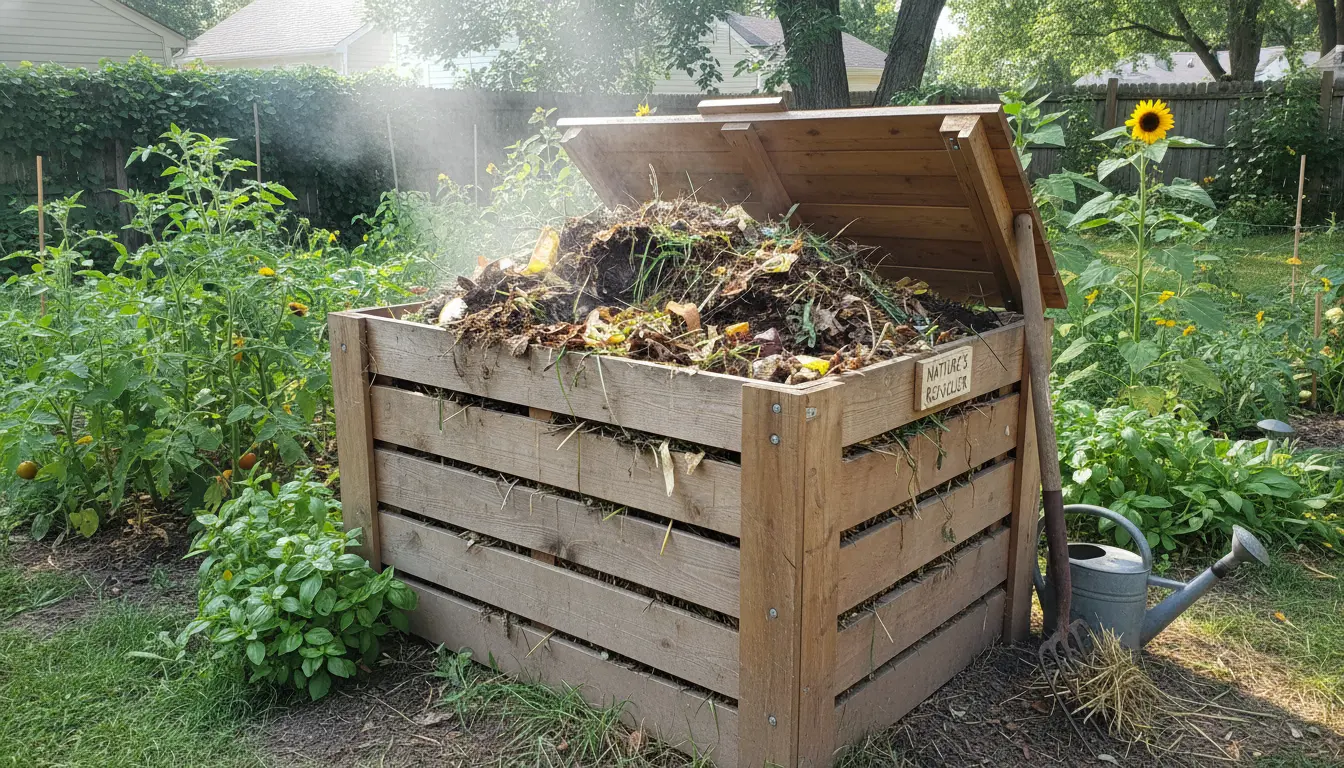
Start Composting at Home: What You Need to Know
Home composting turns kitchen scraps and yard waste into nutrient-rich soil. It reduces household waste and improves garden health without complicated tools.
This guide gives step-by-step, practical instructions for setting up and maintaining a home compost system. Follow these steps to get steady results in a small space.
Why Home Composting Matters
Composting cuts landfill waste and lowers methane emissions from organic materials. It closes the loop by returning nutrients to your soil and reducing the need for store-bought fertilizers.
Even small households can compost effectively using compact systems like tumblers or a simple bin. The key is balance and regular attention.
Benefits of Home Composting
- Reduces kitchen and yard waste by up to 30%.
- Improves soil structure, water retention, and plant health.
- Saves money on fertilizer and potting mix.
- Encourages sustainable habits and better waste sorting.
How to Start Home Composting
Starting composting is mostly about choosing the right container and maintaining the right mix of materials. You can adapt the system to any space, from a balcony to a backyard.
Choose a Bin or Method
Options include open bins, closed plastic bins, tumblers, and worm bins (vermicomposting). Choose based on space, odor tolerance, and how quickly you want finished compost.
Tumblers speed up composting, while worm bins work well for small indoor setups like apartments.
Add the Right Materials
Compost needs a mix of carbon (brown) and nitrogen (green) materials. Aim for a roughly 3:1 ratio by volume of browns to greens.
- Greens (nitrogen): fruit and vegetable scraps, coffee grounds, fresh grass clippings.
- Browns (carbon): dry leaves, shredded paper, cardboard, small wood chips.
- Avoid: meat, dairy, oils, diseased plants, and pet waste to prevent pests and odors.
Manage Moisture and Aeration
Compost should be moist like a wrung-out sponge. Too dry and decomposition slows; too wet and it smells. Add water or dry browns to fix moisture issues.
Turn or aerate your pile every 1–2 weeks to supply oxygen and speed breakdown. Tumblers make this step easier for beginners.
Monitor Temperature and Time
Active piles heat between 120–160°F (49–71°C), which speeds decomposition and kills some weed seeds. Small household piles may not reach those temperatures but will still produce good compost over longer periods.
Expect finished compost in 3–12 months depending on method, materials, and effort. Regular turning and the right mix shorten that timeframe.
Common Problems and Fixes for Home Composting
Beginners often face odors, pests, or slow decomposition. Most issues are easy to fix with small adjustments.
Odor
Cause: too much wet green material or lack of oxygen. Fix: add dry browns, turn the pile, or add bulky material like twigs to improve airflow.
Pests
Cause: meat, dairy, or fruit left exposed. Fix: bury kitchen scraps under a layer of browns, use a secure bin, or switch to an indoor worm bin.
Slow Breakdown
Cause: pile too dry, too compacted, or poor balance. Fix: add water, turn more often, and add nitrogen-rich greens if the pile is dominated by browns.
A single household can divert up to 300 pounds of organic waste per year by composting. That material would otherwise add to landfill volume and emissions.
Harvesting and Using Home Compost
Finished compost looks dark, crumbly, and smells earthy. Sift out large pieces and return them to the bin or allow more time to decompose.
Use finished compost as a soil amendment, top dressing, or mix into potting soil. It improves nutrient content and water retention in garden beds and containers.
Simple Uses
- Mix 1 part compost to 3 parts garden soil when planting new beds.
- Top-dress lawns with a thin layer to provide steady nutrients.
- Blend with potting mix for healthier container plants.
Small Real-World Case Study
Case Study: Anna, a two-person household with a small yard, set up a 60-liter tumbler. She added a mix of kitchen scraps and shredded leaves at roughly 3:1 browns to greens.
By turning the tumbler twice weekly and keeping the pile moist, Anna produced usable compost in about four months. She used the compost to top-dress her vegetable beds and reported healthier tomato plants the next season.
Quick Checklist to Start Home Composting
- Choose a bin: tumbler, static bin, or worm bin.
- Collect greens and browns separately in the kitchen.
- Maintain a 3:1 ratio of browns to greens by volume.
- Keep the pile moist and aerate regularly.
- Harvest after compost is dark and crumbly, usually 3–12 months.
Home composting is a practical way to reduce waste and improve your soil. Start small, observe, and adjust the balance of materials. With a little care, you’ll produce rich compost that benefits your garden and the planet.