
How to Start a Vegetable Garden: Overview
Starting a vegetable garden is achievable whether you have a backyard or a small balcony. This guide focuses on practical, step-by-step actions to get seedlings into the ground and reliable harvests each season.
How to Start a Vegetable Garden: Plan Your Garden
Planning saves time and reduces wasted effort. Begin by choosing a location, estimating sunlight, and selecting vegetables that match your climate and skill level.
Choose the Right Location
Most vegetables need at least 6 hours of direct sunlight. Pick a spot with good drainage and easy access to water. Consider proximity to your kitchen for easy harvesting.
Select Vegetables for Success
Start with easy, high-yield crops like tomatoes, lettuce, radishes, spinach, and bush beans. Pick varieties labeled ‘beginner’ or ‘compact’ for small spaces.
- Beginner-friendly: Lettuce, radish, cherry tomatoes
- Quick harvest: Radish (25–30 days), lettuce (30–45 days)
- High reward: Tomatoes and peppers for summer
How to Start a Vegetable Garden: Prepare Soil and Beds
Healthy soil is the foundation of a productive garden. Test and amend soil before planting to improve fertility and structure.
Soil Testing and Amendments
Use a simple soil test kit to check pH and basic nutrients. Most vegetables prefer a pH between 6.0 and 7.0. Add compost to improve texture and fertility.
Common amendments:
- Compost: Improves nutrients and moisture retention
- Compost or well-rotted manure: 2–4 inches mixed into top 6–8 inches of soil
- Lime or sulfur: Adjust soil pH if needed per test results
Raised Beds and Containers
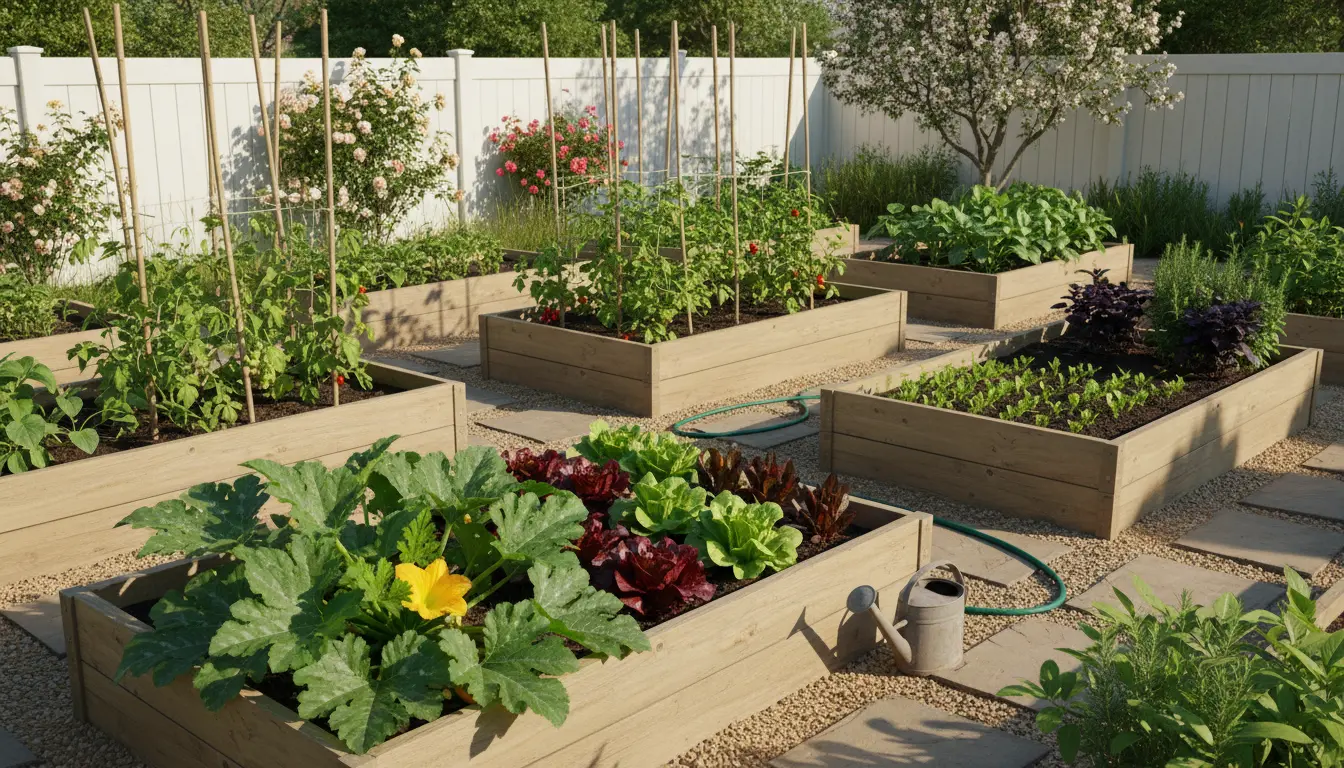
Raised beds warm faster in spring and control soil quality. Use untreated wood, metal, or composite materials. Containers are great for patios and balconies.
Container tips:
- Use high-quality potting mix, not garden soil
- Ensure adequate drainage holes
- Choose container sizes suited to the plant (e.g., 5-gallon for tomatoes)
How to Start a Vegetable Garden: Planting and Timing
Timing matters. Plant cool-season crops in early spring or fall, and warm-season crops after the last frost. Read seed packets or plant tags for specific timing.
Seeds vs. Seedlings
Seeds are cheaper and offer more variety. Seedlings (transplants) get you to harvest faster. Combine both: sow quick crops from seed and transplant slower crops.
Planting Steps
- Follow spacing recommendations on seed packets or plant tags.
- Plant to the correct depth—usually 2–3 times the seed diameter.
- Firm the soil gently and water in to settle seeds or roots.
How to Start a Vegetable Garden: Watering and Care
Consistent watering promotes steady growth and reduces pest and disease stress. Overhead watering can spread disease; use drip irrigation or soaker hoses when possible.
Watering Guidelines
- Water deeply once or twice a week rather than lightly every day.
- Aim for 1–1.5 inches of water per week, varying by weather and soil type.
- Mulch around plants to retain moisture and suppress weeds.
Fertilization and Maintenance
Apply a balanced organic fertilizer at planting and follow up mid-season for heavy feeders (tomatoes, corn). Remove weeds promptly and check plants weekly for pests and disease.
How to Start a Vegetable Garden: Pest Management
Integrated Pest Management (IPM) emphasizes prevention and minimal intervention. Use physical barriers, beneficial insects, and targeted treatments when necessary.
- Handpick larger pests like slugs and caterpillars.
- Use row covers to protect seedlings from insects.
- Encourage pollinators and predators with diverse plantings.
How to Start a Vegetable Garden: Harvesting and Rotation
Harvest regularly to encourage production. Many crops produce more when picked young and often, such as lettuce and beans.
Crop Rotation
Rotate plant families (nightshades, brassicas, legumes) each year to reduce disease and nutrient depletion. In small gardens, use container rotation and frequent soil refresh with compost.
Case Study: Small Urban Plot That Grew Fresh Food
In a 10×10 foot plot, an urban gardener planted tomatoes, bush beans, lettuce, and radishes. They amended the soil with 3 inches of compost and used raised beds for better drainage.
Results in one season:
- Three tomato plants produced 45 pounds of fruit
- Lettuce harvested continuously for 12 weeks
- Radishes ready in 25 days provided quick snacks and saved grocery trips
Key actions that made this work: consistent watering, mulching, and alternating quick crops with longer-season plants.
Vertical gardening can increase yield per square foot by up to 40 percent, making it ideal for small spaces and balconies.
How to Start a Vegetable Garden: Quick Checklist
- Choose a sunny, well-drained location.
- Test soil and add compost.
- Select easy crops and plan planting dates.
- Use raised beds or containers if space or soil is poor.
- Water deeply, mulch, and monitor pests.
- Harvest regularly and rotate crops each season.
Final Tips for Success
Start small and expand as you gain confidence. Keep a simple garden journal with planting dates and yields to improve planning next season.
With basic planning, regular care, and a focus on healthy soil, even new gardeners can enjoy fresh vegetables and the satisfaction of growing food at home.