
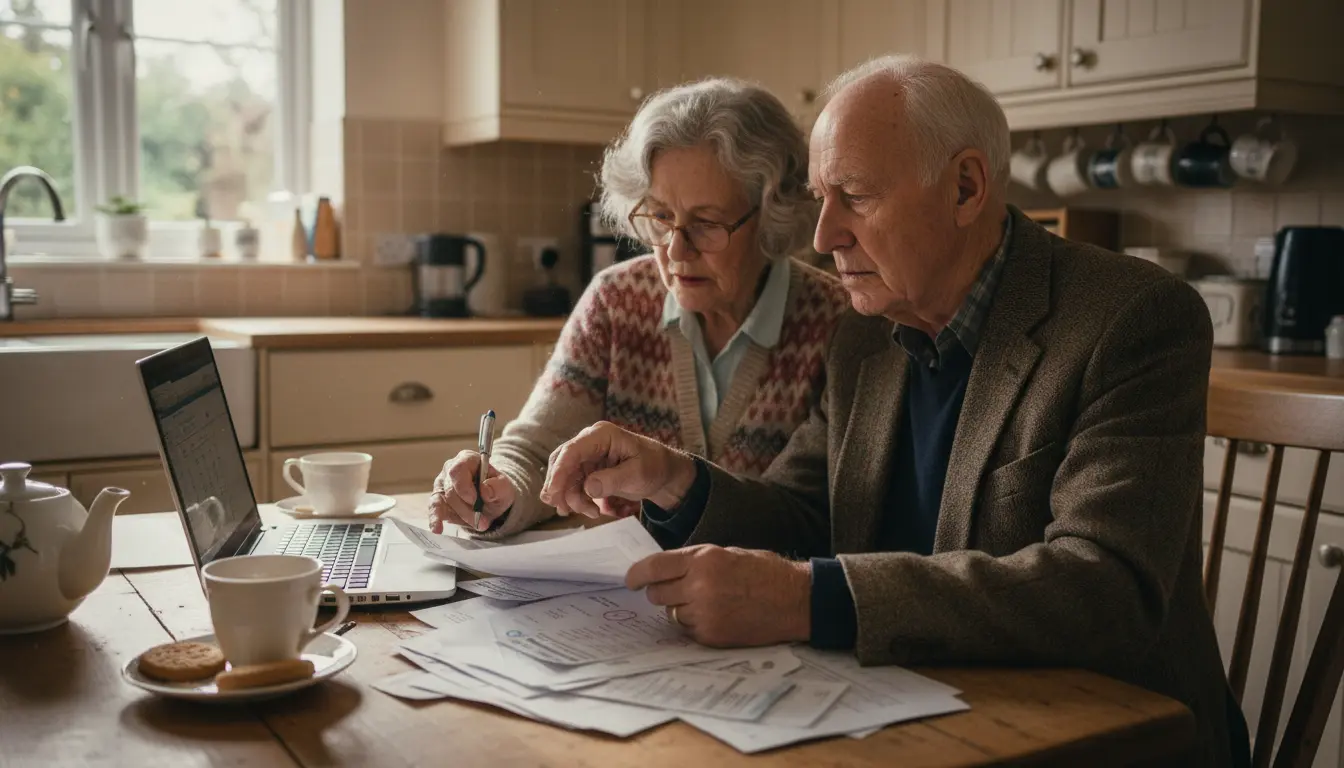
Overview: HMRC warning for over-65s
Recent HMRC guidance is drawing attention to changes that could affect some taxpayers aged 65 and over from 2026. The announcement highlights potential charges around £2,500 that some people may need to pay if certain circumstances apply.
This article explains who might be affected, how the new charges could arise, and practical steps to check your position and reduce risk of a surprise bill.
What the new £2,500 charges are
The phrase “new £2,500 charges” refers to example liabilities being highlighted by HMRC as a possible yearly impact for some people. These can arise from tax reassessments, lost allowances, or changes to how pension income and other benefits are treated for tax.
HMRC is urging taxpayers, particularly those over 65, to check their tax records and state pension or pension drawdown arrangements to ensure they are on the correct tax code and declaring income correctly.
Common causes of extra charges
- Incorrect tax code causing underpaid tax to be collected in a single year.
- Changes to personal allowance eligibility, including transitional rules.
- Backdated adjustments to pension payments or benefits that are treated as taxable.
- Failure to report additional income (rental, dividends, freelance work).
Who faces the HMRC warning for over-65s?
Not every person over 65 will pay the additional charge. The warning is mainly for people with one or more of the following situations.
- Receiving multiple income sources such as workplace pensions, private pensions, or rental income.
- On a tax code that does not reflect state pension or pension commencement lump sums.
- Recently retired or started drawing down savings where tax treatment changed.
- Those who receive benefits or allowances that can affect taxable income calculations.
How to check if you are affected
Follow these practical steps to assess your risk and find out whether HMRC’s warning applies to you.
- Check your current tax code on recent payslips or pension statements. Compare it to HMRC’s published code and explanation.
- Review P60s, P45s, and pension payslips for the last two years to spot missing or mismatched income.
- Log into your personal tax account on GOV.UK to view reported income, payments on account, and any outstanding liabilities.
- Confirm how your state pension has been recorded; sometimes state pension and private pension overlaps cause double-counting.
- If you receive a notice from HMRC, act promptly. Deadlines for responses or appeals are time-limited.
Practical steps to avoid or reduce a £2,500 bill
Take immediate but simple actions to reduce the chance of a large one-off charge.
- Contact HMRC to request a tax code review if you think your code is wrong.
- Inform pension providers about other income sources so PAYE tax can be adjusted.
- Make voluntary payments on account if you know you will owe tax for the year.
- Keep accurate records of all income, including small rental or freelance earnings.
- Seek help from an independent tax adviser if your situation is complex.
Payment options and spreading costs
If you do receive a bill and cannot pay the full amount, HMRC offers time-to-pay arrangements. These allow you to spread payments over a reasonable period usually agreed individually.
Contact HMRC early to arrange a plan and avoid enforcement actions or interest that increases the total cost.
Small case study: Mrs Patel, age 68
Mrs Patel retired last year and receives a workplace pension and a private annuity. She also started a small rental letting. She assumed her PAYE pension tax would cover everything.
After HMRC reviewed her records she was issued a tax reassessment for £2,400 because the rental income had not been reported through self assessment. By contacting HMRC promptly she arranged a six-month payment plan, corrected her tax code, and registered for self assessment to avoid future surprises.
When to get professional help
Seek a tax adviser if you have complex sources of income, joint ownership arrangements, or you receive a formal HMRC enquiry. A chartered tax adviser or accredited accountant can negotiate with HMRC and examine whether reliefs or allowances were missed.
For straightforward queries, HMRC’s helplines and online guidance on GOV.UK are often sufficient and free to use.
Summary checklist
- Check your tax code and pension statements now.
- Register for a personal tax account if you have not already.
- Report rental or self-employed income to avoid backdated charges.
- Ask HMRC for a time-to-pay arrangement if you cannot clear a bill.
- Consider professional advice for complex tax positions.
Taking these steps well before 2026 will reduce the risk of an unexpected £2,500 charge. Regular review of tax codes and clear record-keeping are the best practical defences against HMRC reassessments.