
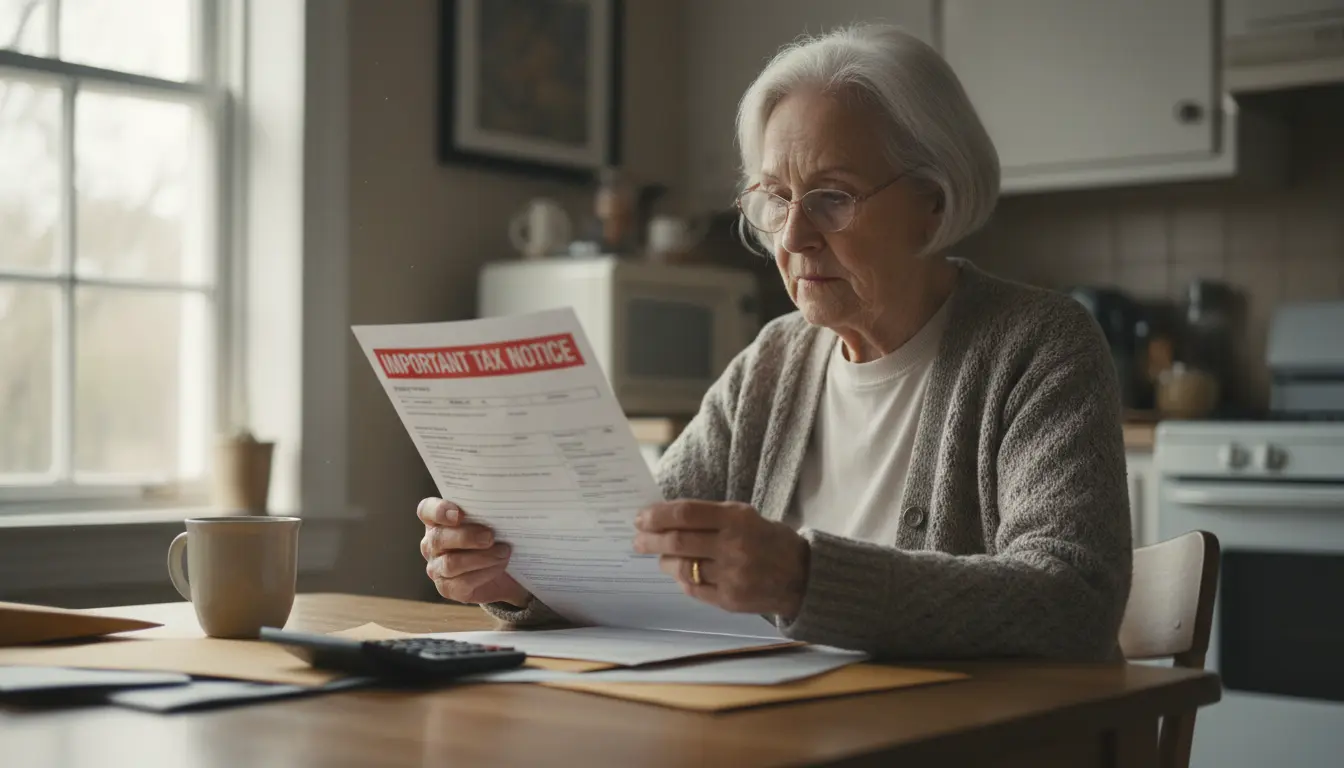
What the HMRC warning for over-65s means
HMRC has announced a change that will affect some taxpayers aged 65 and over from 2026. The key point is that certain liabilities or penalties may include a fixed element around £2,500 in specific circumstances.
This article explains who may be affected, why the change matters, and practical steps you can take to check and reduce any risk of being charged.
Who could face the new £2,500 charges coming in 2026
The policy targets situations where HMRC applies penalties or issues late-payment assessments that include a fixed surcharge. Not all over-65s will be affected.
Typical groups who should check their position include:
- People aged 65+ with non-routine income (rental, dividends, foreign income).
- Those who submit self-assessment returns late or miss payment deadlines.
- Pensioners with additional taxable income not covered by PAYE or emergency tax codes.
- Executors and trustees handling estates where filing or payment deadlines are missed.
How the new £2,500 charges work
The charge takes the form of a fixed amount added to an existing penalty or assessment in qualifying cases. It is not a blanket tax on all over-65s.
Key features to understand:
- The charge is applied when HMRC deems a case sufficiently serious or where statutory processes allow a fixed addition.
- It can appear alongside interest and other penalties, increasing the final bill.
- Appeals or reasonable excuse explanations may reduce or remove the charge in some cases.
Why this is important for pensioners and retirees
Many pensioners assume they are outside the scope of complex tax changes. That assumption can be risky where extra income or filing obligations exist.
An unexpected £2,500 addition can materially affect someone living on a fixed income. Early awareness helps you avoid surprises and limit exposure.
HMRC offers phone and online support specifically for older taxpayers and people with complex personal circumstances. Contacting HMRC early often avoids higher penalties.
Common triggers that lead to charges
Understanding common triggers lets you focus on risk areas. Examples include:
- Late self-assessment submissions or payments.
- Incorrect or incomplete disclosures about foreign income or capital gains.
- Failure to notify HMRC of new taxable income within required timeframes.
- Ignoring correspondence that escalates to formal assessments.
Practical steps to check your risk and prepare
Follow these straightforward actions to reduce the chance of a £2,500 charge.
- Review past tax returns and correspondence for outstanding queries or deadlines.
- Register for a Government Gateway account and enable online notifications if you have not already done so.
- Keep clear records: pensions, bank interest, rental income, dividends, and foreign income.
- If you have a tax agent, speak to them about possible exposure and filing requirements for 2026.
- Respond promptly to any HMRC letters or calls and ask for time to provide information if needed.
How to argue a reasonable excuse
If you receive a charge you believe is unfair, you can explain your circumstances to HMRC. Reasonable excuses commonly accepted include serious illness, bereavement, or events outside your control.
To make a successful case, provide documentation, dates, and a timeline that show why you could not meet the obligation, and set out steps you took to resolve the issue once able.
Case study: Mrs Green, 68
Mrs Green received a letter in 2025 from HMRC about an undeclared rental payment from 2023. She had relied on a family member to manage paperwork and missed the self-assessment deadline.
She contacted HMRC as soon as she saw the letter, supplied tenancy receipts and bank statements, and explained her health problems during the filing period. HMRC accepted her reasonable excuse and reduced the penalty, avoiding the fixed £2,500 addition.
Appeals, payment plans and support options
If you cannot pay a charge in full, HMRC has options including time-to-pay arrangements. Apply early and provide a clear proposal showing how you will pay the debt.
Independent advice is available from Citizens Advice or a Chartered Tax Adviser if the sums are large or your case is complex.
Where to get help
- HMRC helpline for older taxpayers and self-assessment queries.
- Citizens Advice for free, independent guidance.
- Registered tax agents or accountants for representation and appeals.
- Local welfare services if the payment would cause immediate hardship.
Summary: immediate actions for over-65s
Take these steps now to reduce risk of the new charges taking effect in 2026.
- Check for outstanding HMRC letters and respond promptly.
- Confirm whether you must file a self-assessment return or notify additional income.
- Keep records and get professional advice if you are unsure.
- Set up online access to your HMRC account to receive timely alerts.
Staying proactive and informed is the best defence against unexpected charges. If you think you might be affected by the change, contact HMRC or an adviser as soon as possible to discuss your situation and options.