
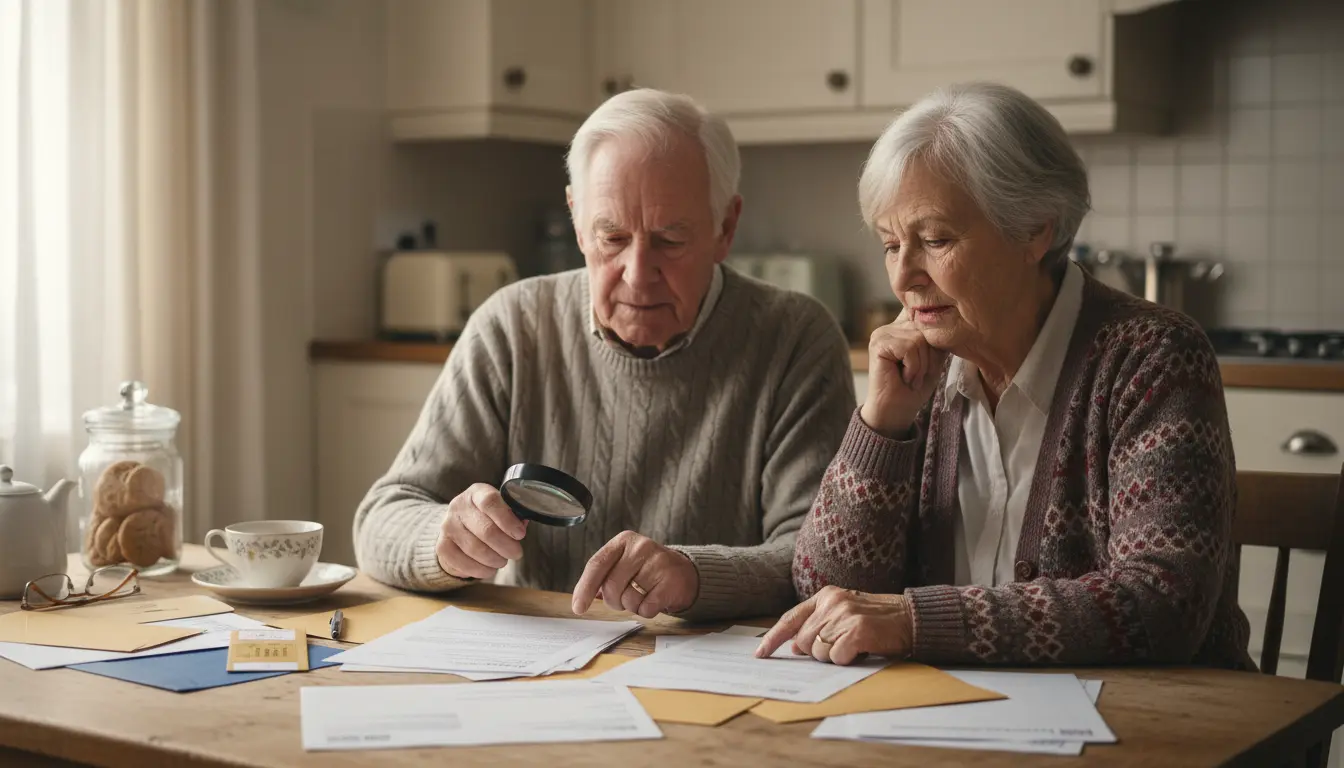
Overview of the 160 pound monthly state pension cut in 2026
The UK government has announced a change that will reduce the state pension by 160 pound per month for affected recipients from 2026. This notice explains what the change means, who may be affected, and practical steps retirees can take now.
The impact will vary by individual. Some people will see the full reduction, while others may be partly protected by other benefits or protections.
Who is likely to be affected by the state pension cut in 2026
Eligibility depends on your current state pension type, the amount you receive, and any transitional protection rules the government applies. People on full new state pension and many on the basic state pension are likely to notice a reduction.
Check official guidance from the Department for Work and Pensions and your pension statement to confirm whether you fall into the affected group.
How to check your state pension and entitlement
Follow these steps to confirm the impact on your payments.
- Log in to your Government Gateway or GOV.UK state pension page and view your pension forecast.
- Compare the forecast with your current payments to see if you will lose 160 pound a month.
- Contact the Pension Service or a local advice charity if the forecast is unclear or you need a paper statement.
What documents to have ready
When checking or calling for help, have the following to hand:
- National Insurance number
- Recent state pension letters or a bank statement showing payments
- Any correspondence about transitional protections or earlier pension agreements
How to calculate the financial impact of the pension cut
A cut of 160 pound per month equals 1,920 pound per year of lost income. Use this simple method to estimate the shortfall.
- Monthly shortfall: 160 pound
- Annual shortfall: 160 x 12 = 1,920 pound
- Adjust for household income if you share expenses
Consider any automatic changes to tax, benefits, or council tax that might offset part of the loss.
Example calculation
If your state pension was 800 pound per month, a 160 pound reduction lowers it to 640 pound. That is a 20 percent drop in pension income and may require budgeting adjustments or additional support.
Practical steps retirees can take now
Being proactive helps reduce the shock of lower payments. Use the checklist below to prepare.
- Review your spending and make a monthly budget showing new income and essential costs.
- Check eligibility for Pension Credit, housing support, and council tax reductions.
- Contact your pension provider or a financial adviser if you have a private or workplace pension.
- Look for local hardship funds, charities, or trusts that support older people on low income.
Options to increase or protect income
Some commonly used options include:
- Applying for Pension Credit if your income is low
- Claiming Attendance Allowance, Personal Independence Payment, or other benefits if you qualify
- Deferring a private pension where allowed to improve future payments
- Reviewing eligibility for council and utility discounts
Some pensioners qualify for Pension Credit or council tax support even if they have modest private pensions. A successful claim can offset a large part of a state pension reduction.
Where to get help and independent advice
There are reliable organisations that can provide free or low cost assistance. Book an appointment early to avoid delays.
- Citizens Advice for benefit checks and appeals
- Age UK for local support services and benefits checks
- The Pensions Advisory Service for pension-specific guidance
- Local council welfare teams for council tax and housing support
Small real world case study
Margaret, 68, in Brighton received a letter outlining the reduction. Her previous state pension was 720 pound per month. With a 160 pound cut, her payment will be 560 pound.
She used a benefits calculator and found she could claim Pension Credit of around 80 pound per week, raising her income and narrowing the shortfall. Margaret also contacted her energy supplier and secured a reduced tariff for low-income pensioners.
The key steps that helped were checking official forecasts, applying for Pension Credit, and getting local charity advice.
Preparing an action plan for 2026
Create a short action plan to manage the change in 6 steps.
- Confirm your entitlement and exact reduction with the Pension Service.
- Rework your monthly budget with the new pension figure.
- Apply for Pension Credit and other benefits if eligible.
- Contact charities and local authorities for one-off grants or discounts.
- Review private savings and pension options with an adviser if needed.
- Plan for regular check-ins every 3 months to track changes and new help.
Final notes on the 2026 state pension change
The announced 160 pound monthly reduction for 2026 is significant but not necessarily irreversible on a personal level. Many retirees can take steps to reduce the impact through benefits, budgeting, and local support.
Act early, use official GOV.UK guidance, and seek independent advice where needed. That approach will give you the best chance to protect income and maintain living standards after the change.