
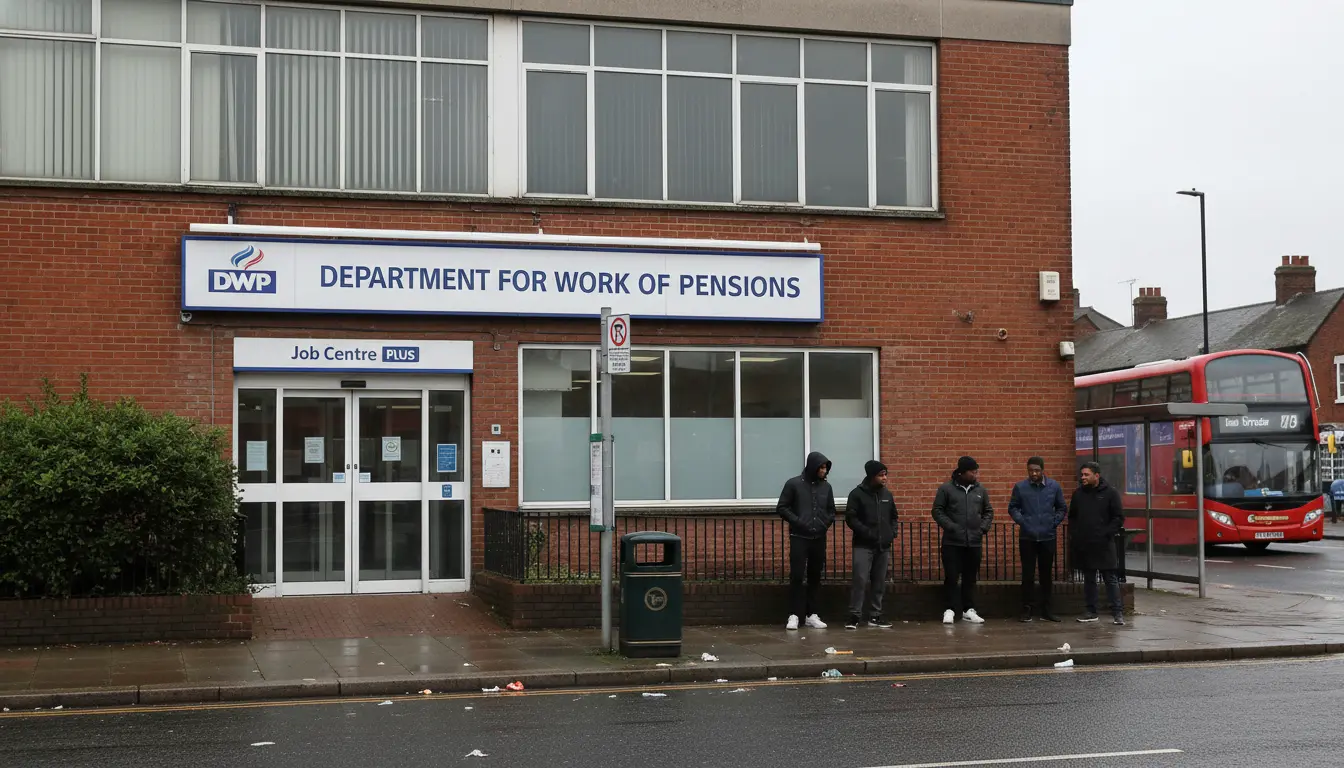
Overview of the DWP update to cost of living support
The Department for Work and Pensions (DWP) has confirmed changes to cost of living support that take effect in March 2026. This update affects several benefits and one-off payments designed to help households with energy and daily expenses.
The announcement sets out who will receive revised payments, the timing, and where claimants should check for personalised details. This guide explains what the update means, who is eligible, and practical steps to prepare.
Which payments are included in the March 2026 update
The DWP says the update covers a mix of recurring and one-off measures tied to cost of living assistance. Key items include changes to Universal Credit elements, Pension Credit adjustments, and targeted support for low-income households.
Not every payment is affected. The DWP list focuses on support aimed at vulnerable groups and those on means-tested benefits.
Payments and changes to watch
- Universal Credit standard and element adjustments where applicable.
- Pension Credit annual uprating or additional lump sums for eligible pensioners.
- Targeted one-off payments to low-income households facing energy or food cost pressures.
- Additional support routed via local authorities for council tax relief or discretionary hardship funds.
Who is likely to be affected by the DWP change
The update targets people on means-tested benefits, pensioners on Pension Credit, and households deemed vulnerable by local authorities. Criteria vary by payment.
Typical groups include renters on low incomes, single parents receiving Universal Credit, disabled claimants with extra needs, and pensioners on fixed incomes.
Check these eligibility indicators
- Currently receive Universal Credit, jobseeker or ESA means-tested support.
- Receive Pension Credit or are close to Pension Credit thresholds.
- Are on a low income and receive Housing Benefit or council tax reduction.
How the timing works: March 2026 rollout
DWP confirmed the changes will begin in March 2026 and will be reflected in routine payments or via a separate one-off payment depending on each claimant’s situation.
Exact payment dates will depend on individual benefit schedules. The DWP will send letters or messages to claimants with personalised information ahead of the changes.
What to expect in the weeks before March 2026
- Official notification by post or your DWP online account.
- Updated award notices showing revised amounts where applicable.
- Guidance on how to challenge or query a change if you believe it is incorrect.
Practical steps to prepare for the DWP cost of living change
Take simple steps now to make sure you receive the right support and avoid delays. Preparing early reduces the risk of missed payments or confusion when changes are implemented.
Action checklist
- Check your DWP online account and ensure contact details are up to date.
- Look for letters or messages about March 2026 changes—keep them for reference.
- Use benefit calculators on GOV.UK or trusted advice sites to estimate new amounts.
- Contact your local council about discretionary funds if you expect a shortfall.
- If you disagree with a change, prepare evidence (bank statements, bills) to support a review.
How to check your eligibility and make a claim
Many people will not need to apply for the updated payments if they already receive qualifying benefits; updates are automatic for award holders. However, some one-off or means-tested top-ups may require a short application or confirmation.
Contact channels include your DWP online account, the Universal Credit helpline, Pension Credit service, or a local Citizens Advice centre for free help.
Documents you may need
- Proof of identity (passport, driving licence).
- Proof of household income and savings (bank statements, wage slips).
- Proof of rent or mortgage costs and utility bills.
Small increases to Pension Credit or targeted top-ups can be backdated in some cases if you were eligible but did not claim. Contact the Pension Credit service to check potential backdates.
Small real-world example
Case study: Sarah, a single parent on Universal Credit, received a DWP message in late February outlining a targeted one-off energy top-up. It arrived as a payment in March 2026 without a separate application because she was already on a qualifying benefit.
Sarah checked her online award notice, confirmed her bank details, and used the payment to cover an unexpected increase in her gas bill. Her local council also offered a discretionary crisis payment for additional short-term help.
Common questions and quick answers
- Will everyone get more money? No. Only those who meet the updated eligibility criteria or who qualify for specific one-off payments will see a change.
- Do I need to apply? Not always. Some changes are automatic for existing claimants; others may need a short application.
- How will I be notified? The DWP will notify claimants by post or online message with personalised details.
Where to get reliable help
For detailed personal advice, contact Citizens Advice, a local welfare rights service, or use the DWP online services. These sources can help you understand changes and prepare claims if needed.
Keep documentation organised and respond promptly to any DWP requests to avoid delays in receiving updated support.
Following these steps will help you understand whether the DWP March 2026 update affects your finances and what you need to do to secure any entitled support.