
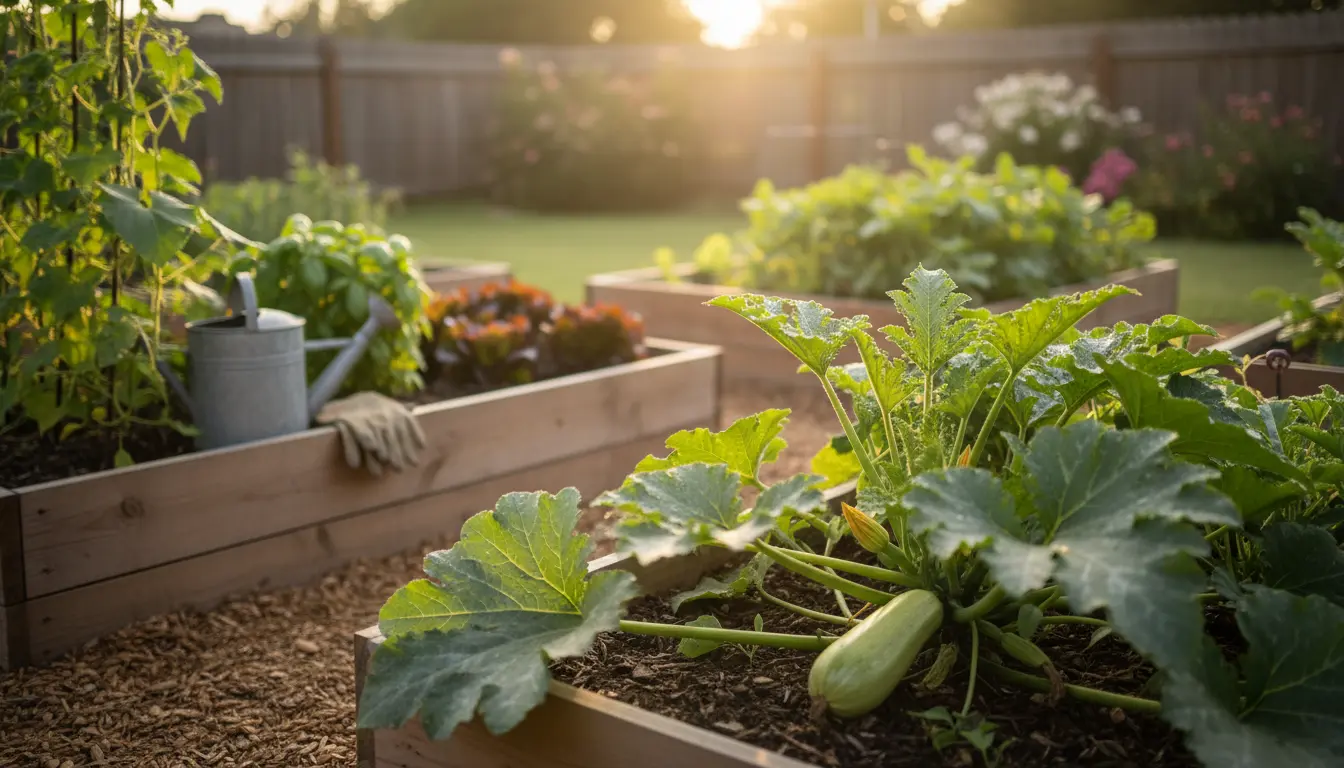
Why Choose Organic Vegetable Gardening for Beginners
Organic vegetable gardening uses natural methods to grow food without synthetic chemicals. It is ideal for beginners who want healthy produce, lower environmental impact, and an approachable way to learn soil and plant care.
Starting with clear, simple steps helps new gardeners avoid common mistakes and get faster results. This guide walks through the essentials for success.
Planning Your Organic Vegetable Garden
Start by choosing a suitable location for your organic vegetable garden for beginners. Most vegetables need at least 6 hours of direct sun and good drainage.
Decide between in-ground beds, raised beds, or containers based on space, budget, and soil quality.
Site Selection Tips
- Pick a sunny spot with easy access to water.
- Avoid low areas that stay wet after rain.
- Consider wind exposure and provide shelter if needed.
Preparing Soil for Organic Vegetable Gardening
Soil is the most important factor in organic vegetable gardening for beginners. Healthy soil supports strong roots, better yields, and natural pest resistance.
Test your soil pH and texture. Most vegetables prefer a pH between 6.0 and 7.0.
How to Improve Soil
- Add compost to supply nutrients and improve structure.
- Use well-rotted manure or leaf mold for organic matter.
- Mulch with straw or shredded leaves to conserve moisture and suppress weeds.
Choosing Plants and Seedlings
For organic vegetable gardening, choose varieties suited to your climate and season. Beginners should start with easy, fast-growing crops.
Good starter vegetables include lettuce, radishes, cherry tomatoes, bush beans, and herbs like basil.
Planting Basics
- Follow spacing recommendations on seed packets or plant tags.
- Stagger plantings (succession sowing) to spread harvests over weeks.
- Pair compatible plants to maximize space and reduce pests.
Watering and Feeding in Organic Vegetable Gardening
Water deeply and less often to encourage strong root systems. Early morning watering reduces disease risk.
Feed plants with organic options: compost tea, fish emulsion, or slow-release organic fertilizers. Avoid overfeeding leafy plants to prevent pest attraction.
Practical Watering Schedule
- New seedlings: keep soil consistently moist for the first 2–3 weeks.
- Established plants: water deeply once or twice a week depending on weather.
- Mulch to reduce evaporation and keep roots cool.
Pest and Disease Management Without Chemicals
Organic vegetable gardening relies on prevention and natural controls rather than synthetic pesticides. Healthy plants and diverse gardens resist problems better.
Use barriers, physical removal, and beneficial insects to manage pests.
Effective Organic Methods
- Row covers to protect seedlings from insects and birds.
- Handpick slugs and beetles in the morning or evening.
- Introduce or attract predators like ladybugs and lacewings.
Common Mistakes in Organic Vegetable Gardening for Beginners
Avoid these pitfalls to improve success and save time.
- Planting too much at once — start small to learn care routines.
- Overwatering or poor drainage — both lead to root disease.
- Ignoring soil health — adding compost is more effective than frequent fertilizer.
Did You Know?
Companion planting, like growing basil near tomatoes, can improve flavor and reduce some pests naturally. Diverse plantings mimic natural systems and boost resilience.
Simple Maintenance Checklist
- Inspect plants weekly for pests and diseases.
- Top up mulch each season to maintain 2–3 inch depth.
- Rotate crops yearly to reduce soil-borne disease buildup.
- Keep a garden journal to track planting dates and results.
Case Study: A Small Success Story
Sara, a beginner in a small urban yard, started an organic vegetable garden in a 100 square foot raised bed. She chose lettuce, radishes, cherry tomatoes, and bush beans for quick harvests.
She added two wheelbarrows of compost, mulched with straw, and used a simple drip hose for watering. In the first season she harvested salad greens every week and had a steady supply of tomatoes and beans.
Key wins: soil improvement with compost, staggered sowing, and weekly checks for pests. These low-cost steps gave Sara reliable yields and motivation to expand next year.
Final Steps to Begin Your Organic Vegetable Garden
Start small, prioritize soil health, and pick easy crops to build confidence. Keep records, learn from each season, and expand gradually.
With basic planning and consistent care, organic vegetable gardening for beginners becomes a rewarding routine that produces fresh food and reduces environmental impact.
Quick Starter Checklist
- Choose a sunny site and type of bed (raised, in-ground, container).
- Test and enrich soil with compost.
- Select 3–5 beginner-friendly crops and follow planting guides.
- Set up simple watering and mulching routines.
- Use organic pest controls and rotate crops yearly.