
Working from home productivity depends on structure, environment, and consistent habits. This guide gives practical steps you can apply immediately to reduce distractions and get more done.
Working From Home Productivity: Build a Clear Routine
Start with a predictable daily routine to create momentum. A consistent start time and brief morning ritual signal your brain that work time has begun.
Try these simple routine steps:
- Wake up and do a short physical activity for 5–10 minutes.
- Eat a light, healthy breakfast and avoid heavy meals first thing.
- Begin work with a 10-minute planning session: list top 3 tasks.
Working From Home Productivity and Time Blocking
Time blocking batches similar tasks and reduces context switching. Schedule blocks for deep work, administrative tasks, and breaks.
Example block layout:
- 09:00–11:00 Deep work (project focus)
- 11:00–11:15 Break
- 11:15–12:30 Meetings or calls
- 13:30–15:30 Focused tasks
Working From Home Productivity: Create an Effective Workspace
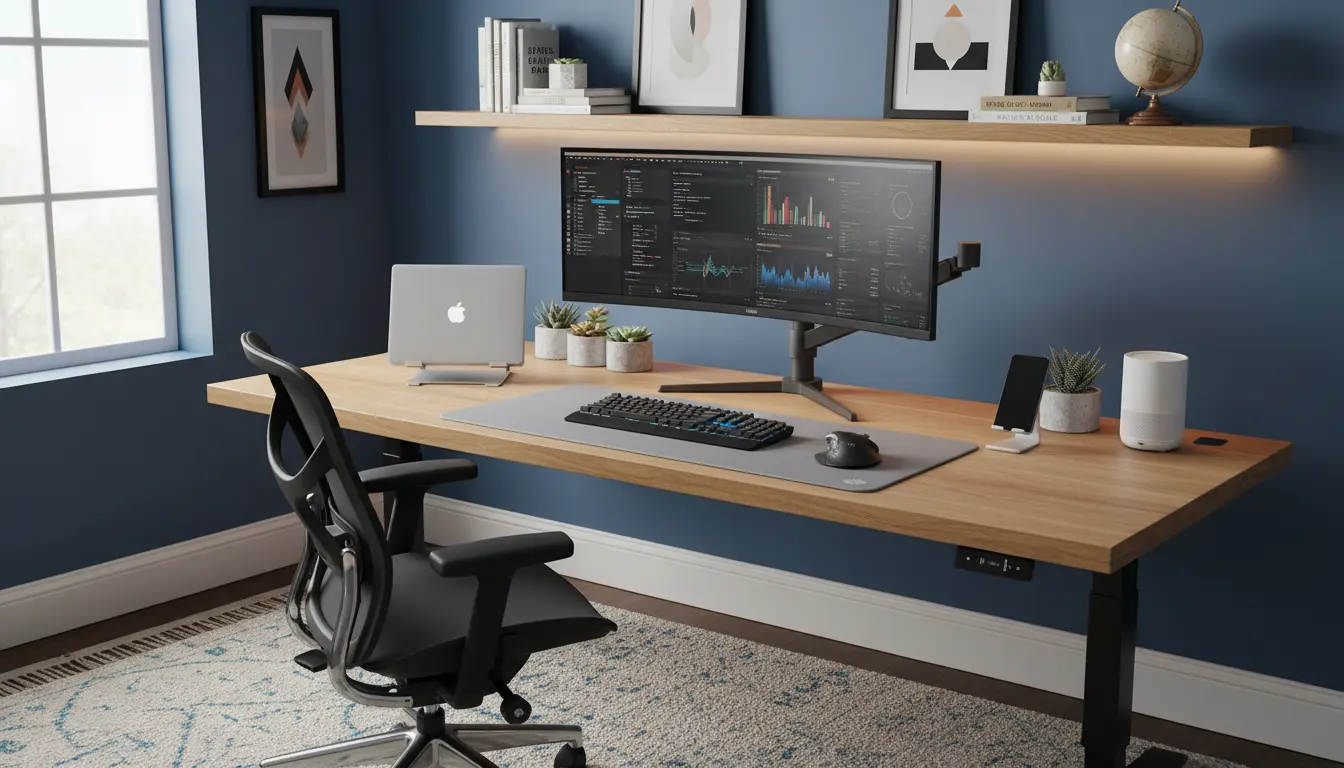
Your workspace should support focus with minimal friction. A dedicated space, even a corner of a room, helps separate work from home life.
Key setup elements:
- Comfortable chair and desk at the right height
- Good lighting and a clutter-free surface
- Headphones for calls and to reduce ambient noise
Working From Home Productivity: Ergonomics and Tools
Small ergonomic changes reduce fatigue and maintain focus. Use a monitor at eye level and position the keyboard so wrists stay neutral.
Useful tools that improve productivity:
- Task manager (Todoist, Microsoft To Do, or simple paper list)
- Calendar app with time blocking
- Focus apps (Pomodoro timers, website blockers)
Short, regular breaks can increase focus. Research shows brief breaks every 60–90 minutes help sustain attention and prevent burnout.
Working From Home Productivity: Minimize Distractions
Identify common distractions and set rules to limit them. That means turning off nonessential notifications and telling household members your focused hours.
Simple distraction-reduction tactics:
- Put your phone on Do Not Disturb or in another room during deep work.
- Close unrelated browser tabs and mute chat apps while focused.
- Use a visible sign or schedule to show when you are not to be disturbed.
Working From Home Productivity: Use Short Focus Cycles
Work in concentrated bursts followed by short breaks to maintain high cognitive performance. The Pomodoro method (25/5 or 50/10) is a simple way to implement this.
How to start a focus cycle:
- Choose one task and set a timer for a focus period.
- Work without interruptions until the timer ends.
- Take a 5–15 minute break, then repeat.
Working From Home Productivity: Keep Communication Clear
Remote work often slows decisions without clear communication. Set norms for response times and preferred channels for different needs.
Communication tips:
- Use instant chat for quick questions and email for formal updates.
- Summarize meeting outcomes with action items and deadlines.
- Block time for asynchronous work so meetings don’t dominate your day.
Working From Home Productivity: Review and Adjust Weekly
Schedule a weekly review to track progress and adjust your routine. Use the review to spot time drains and reassign tasks or change time blocks.
Review checklist:
- What were the top wins this week?
- Which tasks consistently ran over time?
- What one change will improve next week?
Small Case Study: Freelance Designer Improves Output
Marina, a freelance designer, struggled with inconsistent work hours and missed deadlines. She adopted a dedicated workspace, time blocking, and a simple task manager.
Within a month she reduced late deliveries by 70% and reported clearer boundaries between work and home life. Her key changes were starting each day with a top-3 task list and using 90-minute focus blocks.
Working from home productivity improves most when you combine environment, routine, and disciplined focus. Start with one change this week—set a single time block for deep work—and build from there.