
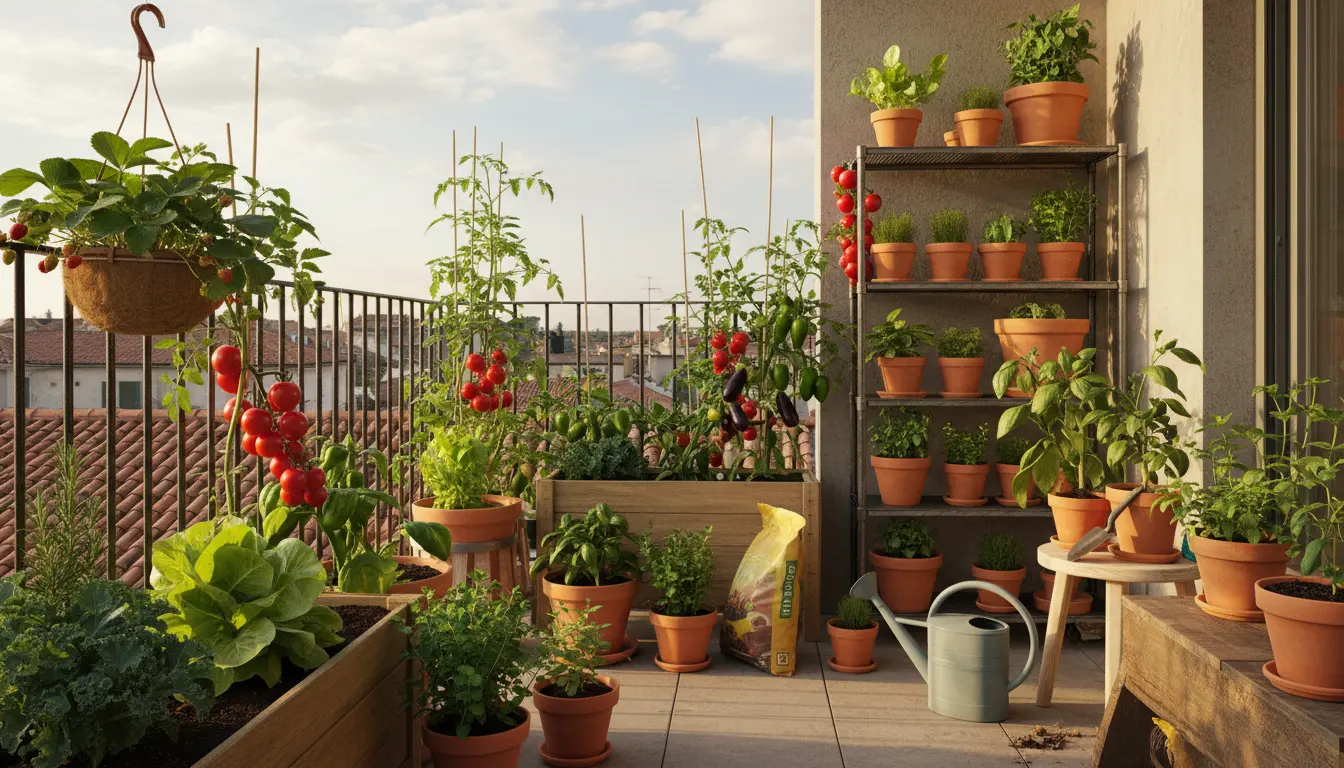
Starting a small vegetable garden is a practical way to grow fresh food, save money, and learn basic gardening skills. This guide walks through planning, soil, plant selection, and maintenance so you can get a productive garden in a compact space.
Plan Your Small Vegetable Garden
Pick a location that gets at least six hours of direct sun for most vegetables. Sunlight is the single most important factor for success in a small vegetable garden.
Decide on a layout: raised beds, containers, or a small in-ground plot. Match your choice to available space, budget, and mobility needs.
Small Vegetable Garden Checklist
- Measure available space and note sunlight hours.
- Choose bed type: containers, raised beds, or in-ground.
- Plan water access and drainage.
- Set a seasonal planting schedule for your climate.
Prepare Soil and Containers
Good soil is essential for a small vegetable garden. If using containers, choose mixes labeled for vegetables that drain well but retain moisture.
For raised beds or in-ground plots, mix topsoil with compost and a small amount of coarse sand if drainage is poor. Aim for a loamy, nutrient-rich medium.
Soil Tips for Small Vegetable Garden
- Test pH if possible; most vegetables prefer pH 6.0–7.0.
- Add 2–3 inches of compost annually to maintain fertility.
- Use mulch to conserve moisture and suppress weeds.
Choose Plants for a Small Vegetable Garden
Pick vegetables suited to small spaces and your growing season. Focus on high-yield, compact varieties that maximize productivity.
Consider vertical plants to save ground space and increase yield in a small vegetable garden.
Best Vegetables for a Small Vegetable Garden
- Tomatoes (determinate or patio varieties)
- Leafy greens (lettuce, spinach, arugula)
- Herbs (basil, parsley, cilantro)
- Peppers and eggplants (compact varieties)
- Green beans (bush or pole beans for vertical growing)
Planting and Spacing in a Small Vegetable Garden
Follow seed packet or plant tag spacing recommendations, but adjust for small gardens by using succession planting. Sow small amounts every 2–3 weeks to keep continuous harvests.
Use interplanting: mix fast-maturing crops (like radishes) between slower crops (like tomatoes) to use space efficiently.
Succession Planting Example
- Plant radishes with lettuce in early spring; harvest radishes in 4 weeks and let lettuce continue.
- After early lettuce finishes, plant beans or spinach for mid-season harvests.
Watering and Maintenance
Water consistently; small gardens and containers dry out faster than large beds. Aim for deep, infrequent watering to encourage strong roots.
Inspect plants weekly for pests and diseases. Remove affected leaves early and use organic controls like insecticidal soap when necessary.
Maintenance Tasks for a Small Vegetable Garden
- Mulch to reduce evaporation and suppress weeds.
- Stake tall plants like tomatoes and beans as they grow.
- Fertilize lightly with a balanced organic fertilizer every 4–6 weeks.
Harvesting and Troubleshooting
Harvest vegetables at their peak for best flavor and to encourage more production. Pick leafy greens when young and tender; harvest fruits when fully colored and firm.
Common problems in a small vegetable garden include overwatering, nutrient deficiencies, and limited airflow. Address issues quickly to prevent spread.
Quick Troubleshooting Tips
- Yellow leaves on lower stems: check watering and soil drainage.
- Stunted growth: test soil fertility and add compost.
- Holes in leaves: inspect for slugs, snails, or caterpillars and remove by hand or use barriers.
Case Study: A Balcony Tomato Garden
Maria, an apartment resident, used three 10-inch pots and a 2×2-foot raised planter to grow cherry tomatoes, basil, and lettuce on her balcony. She placed pots where they received 6–8 hours of sun daily.
She used a high-quality potting mix, fed plants every 3 weeks with liquid fertilizer, and harvested consistently. By mid-summer she harvested about 15–20 cherry tomatoes per plant per week and maintained a steady supply of salad greens.
Final Tips for a Small Vegetable Garden
Start small and expand as you gain confidence. Track what works and what doesn’t in your space and climate.
Enjoy the learning process. A small vegetable garden can be productive and low-maintenance with a little planning and regular care.