
Plan Before You Start a Vegetable Garden
Starting a vegetable garden begins with a simple plan. Decide why you want to grow food, how much time you can commit, and which vegetables you eat most.
Write down goals, a rough layout, and a seasonal schedule. This will keep tasks manageable and reduce wasted effort.
Choose the Best Location for a Vegetable Garden
Pick a spot with at least 6 hours of direct sunlight per day for most vegetables. Good drainage and easy access to water are also important.
Avoid low areas that collect cold air or water. If ground soil is poor, consider raised beds or containers as an alternative.
Start a Vegetable Garden with Raised Beds
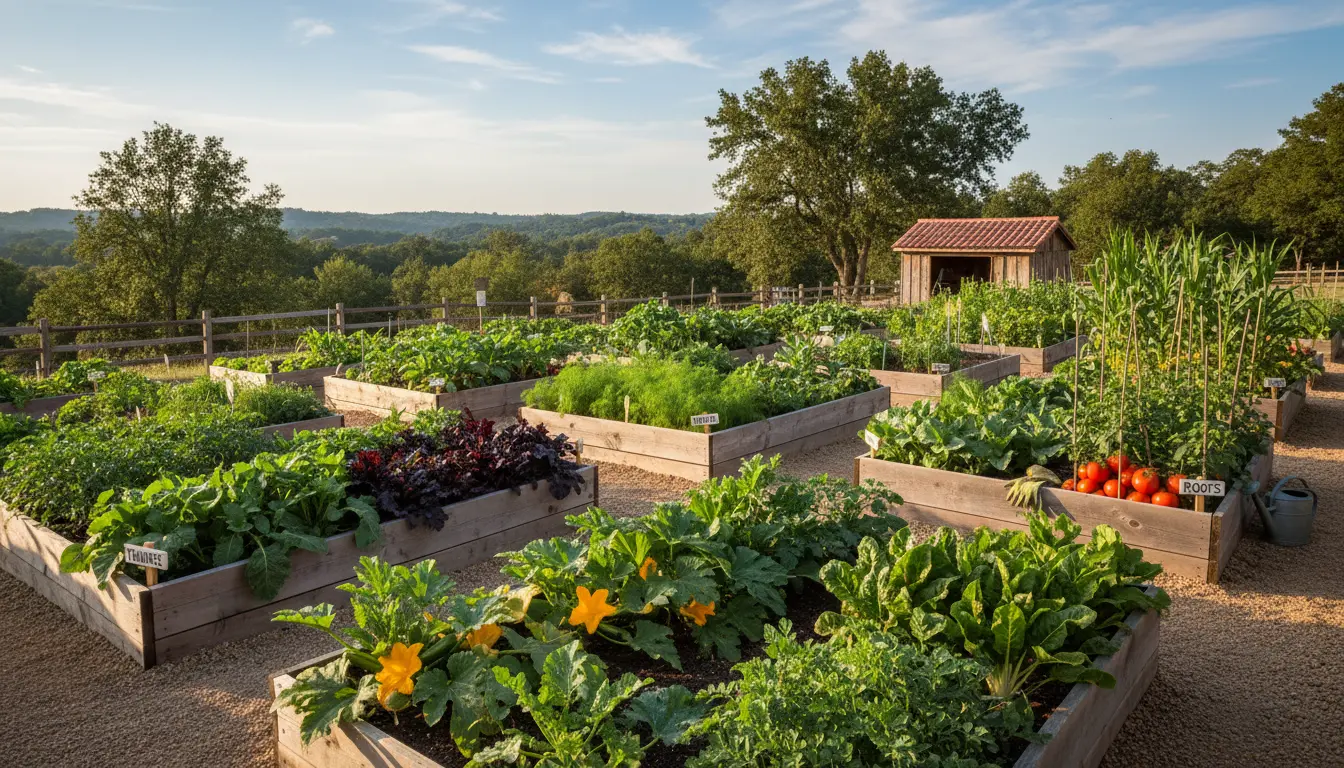
Raised beds warm faster in spring and give better control over soil quality. They lift plants above compacted soil and reduce back strain when working.
Common sizes are 4×4 or 4×8 feet and 8–12 inches deep for roots. Use untreated wood, composite, or stone to build the frame.
Start a Vegetable Garden in Containers
Containers are ideal for balconies, patios, or small spaces. Use pots at least 12 inches deep for most vegetables and ensure they have drainage holes.
Combine quality potting mix with slow-release fertilizer for steady growth in containers.
Build Healthy Soil for a Vegetable Garden
Soil is the most important factor for long-term success. Test soil pH and nutrient levels using a basic kit or local extension service.
Amend heavy clay with compost and coarse sand. Add plenty of organic matter to sandy soil to improve water retention.
- Basic soil mix for raised beds: 40% topsoil, 40% compost, 20% coconut coir or peat
- Target soil pH: most vegetables prefer 6.0–7.0
- Add 2–3 inches of compost each year to maintain fertility
Planting: What and When to Plant in Your Vegetable Garden
Choose vegetables suited to your region and season. Start with easy crops like lettuce, radishes, bush beans, tomatoes, and herbs.
Follow seed packet or plant tag instructions for spacing and depth. Use succession planting for a continuous harvest.
- Sow cool-season crops (lettuce, peas, spinach) in early spring or fall.
- Transplant warm-season crops (tomatoes, peppers) after the last frost.
- Stagger plantings every 2–3 weeks for continuous production.
Watering and Fertilizing a Vegetable Garden
Consistent moisture is critical. Aim for 1–1.5 inches of water per week, delivered slowly to wet the root zone.
Use drip irrigation or soaker hoses to reduce leaf wetness and fungal disease. Mulch to conserve moisture and suppress weeds.
- Water early in the morning for best absorption.
- Fertilize with a balanced organic fertilizer at planting and mid-season as needed.
- Monitor plants for signs of nutrient deficiency (yellowing leaves, slow growth).
Simple Pest and Disease Controls for Your Vegetable Garden
Preventive care beats reactive spraying. Rotate crops yearly, keep beds clean of debris, and choose disease-resistant varieties.
Use physical barriers like row covers, hand-pick pests, and encourage beneficial insects such as ladybugs and lacewings.
Common Organic Controls
- Neem oil or insecticidal soap for soft-bodied insects
- Floating row covers to protect seedlings from beetles and cabbage worms
- Compost tea and proper spacing to reduce fungal problems
Harvesting and Storing Vegetables
Harvest at peak ripeness for best flavor and nutritional value. Regular harvesting often encourages more production.
Store cool-season crops like carrots in a root cellar or refrigerator; tomatoes are best ripened on the counter.
Small Case Study: A Simple Home Vegetable Garden
Maria, a homeowner with a sunny backyard, started a 4×8 raised bed in April. She planted lettuce, tomatoes, basil, and bush beans.
By midsummer she harvested fresh salad greens weekly and three tomato pickings. Maria reported saving about $150 on groceries and enjoyed fewer store-bought herbs.
Quick Checklist to Start a Vegetable Garden
- Choose location with 6+ hours sun and water access
- Decide between ground bed, raised bed, or containers
- Test and amend soil, add compost
- Select easy vegetables for your season and follow planting dates
- Set up watering and mulch to conserve moisture
- Monitor pests and rotate crops annually
Gardeners can increase yields by up to 30% using simple techniques like crop rotation, regular compost additions, and timely harvesting.
Next Steps to Grow Your Vegetable Garden
Start small and expand as you gain experience. Keep a short garden journal to note planting dates, varieties, and problems for future seasons.
Local extension offices and community gardens can offer region-specific tips and seed-saving classes to help you succeed.