
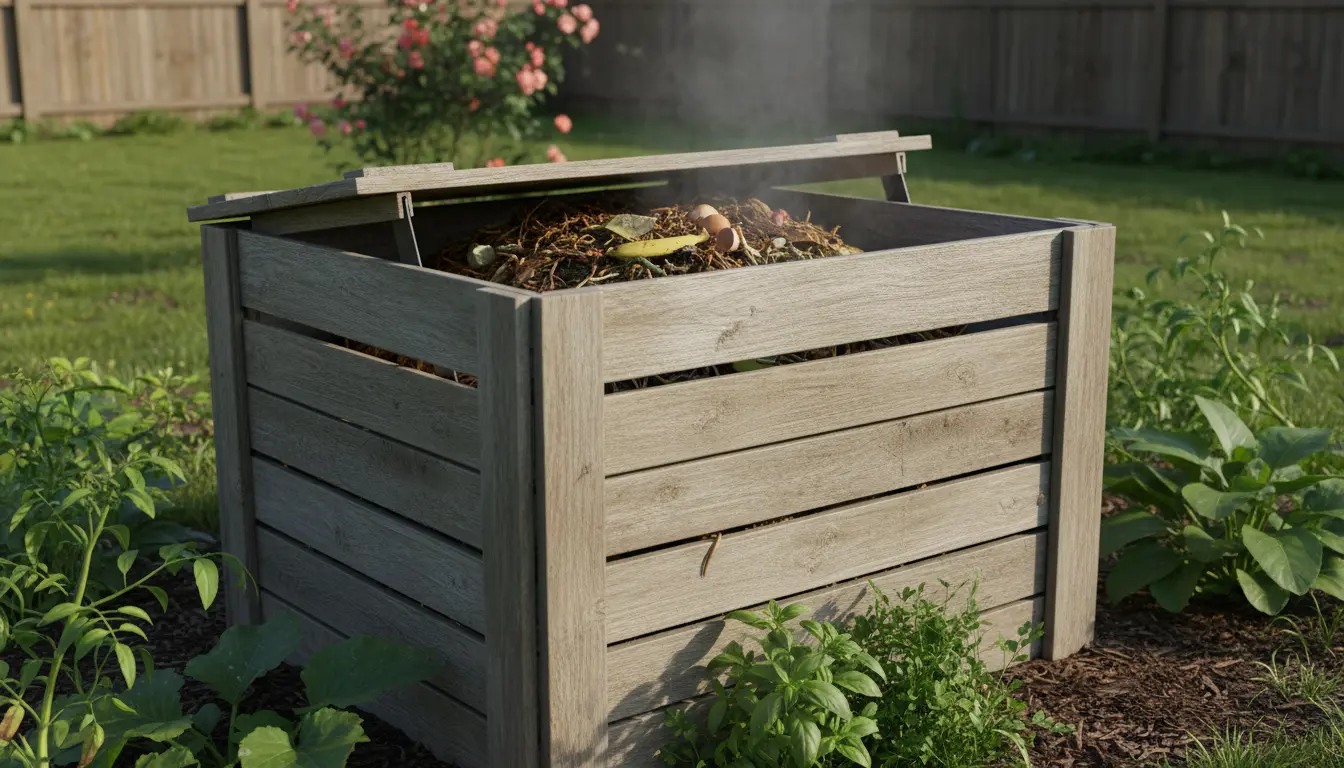
Home Composting for Beginners: Start with the Basics
Home composting for beginners is a simple way to reduce kitchen waste and create nutrient-rich soil for plants. You do not need special skills, only consistent attention and a basic setup.
This guide explains what to collect, how to maintain a compost pile, and how to avoid common issues. Follow these steps to get composting right from the start.
Why Home Composting for Beginners Matters
Composting reduces the amount of organic waste sent to landfills and lowers greenhouse gas emissions. It also produces free, nutritious compost that improves garden soil structure and fertility.
For beginners, composting is a low-cost, practical change that benefits both home gardens and the environment.
What You Need to Start Home Composting
Begin with basic equipment and a small plan. Most beginners succeed with either a simple bin or a small compost pile outdoors.
- Compost bin or tumbler (or designate a corner of the yard)
- Kitchen pail for collecting scraps
- Garden fork or aerator
- Shredder or scissors for large items (optional)
Choose a Location
Pick a dry, shaded spot with good drainage near your garden or kitchen. Easy access increases the odds you will use it regularly.
If you have limited space, use a compact tumbler or vermicompost (worm bin) for apartments or small yards.
Green vs Brown Materials
Learning the difference between green and brown materials is key to successful composting. Aim for a balanced mix for proper decomposition.
- Green materials: kitchen scraps, fruit and vegetable peelings, coffee grounds, fresh grass clippings.
- Brown materials: dry leaves, straw, shredded paper, cardboard, wood chips.
Target a rough carbon to nitrogen mix by layering or mixing greens and browns. A common starting ratio is about 2 parts brown to 1 part green by volume.
How to Build and Maintain Your Compost
Start with a base layer of coarse browns to help air flow. Add alternating layers of greens and browns, and keep the pile moist but not soggy.
Turn the pile every 1–2 weeks to introduce oxygen, which speeds decomposition and reduces odors.
Practical Weekly Routine
- Collect kitchen scraps daily in a small pail; empty into bin every 2–3 days.
- Add a handful of browns after adding wet scraps to keep the mix balanced.
- Inspect moisture: squeeze a handful—should feel like a wrung-out sponge.
- Turn the pile with a fork or tumbler at least twice a month.
Common Problems and Simple Fixes
Beginners often run into predictable issues. Here are quick solutions that fix most problems.
- Bad smell: Add more brown materials and turn the pile to introduce air.
- Too dry: Sprinkle water while turning the pile.
- Pests: Bury food scraps, avoid meat and dairy, and use a closed bin.
- Slow decomposition: Chop larger pieces, add greens for nitrogen, and increase turning frequency.
Finished Compost and How to Use It
Compost is ready when it looks dark, crumbly, and earthy-smelling. This usually takes 2–6 months depending on conditions.
Use finished compost as a mulch, soil amendment, or potting mix ingredient. A thin layer around plants helps retain moisture and feed roots.
Small Real-World Example
Case study: A small urban household started a 60-liter tumbling composter. They added kitchen scraps and shredded cardboard in autumn and turned the tumbler weekly.
Within four months they produced about 30 liters of usable compost. They used it to top-dress container plants and noticed better growth the following season.
Tips for Success in Home Composting for Beginners
- Be patient—decomposition takes time but is predictable with consistent care.
- Keep a small scrap container in the kitchen to make collection automatic.
- Learn local rules—some municipalities restrict certain compostable items for curbside collection.
- Consider vermicomposting if you lack outdoor space; worms can speed breakdown indoors.
Final Checklist: Getting Started with Home Composting for Beginners
- Choose a bin or method that fits your space.
- Collect greens and browns; keep them balanced.
- Maintain moisture and aeration with regular turning.
- Use finished compost to improve your garden soil.
Home composting for beginners is accessible and rewarding. Start small, stay consistent, and you will soon convert household scraps into valuable soil for your plants.