
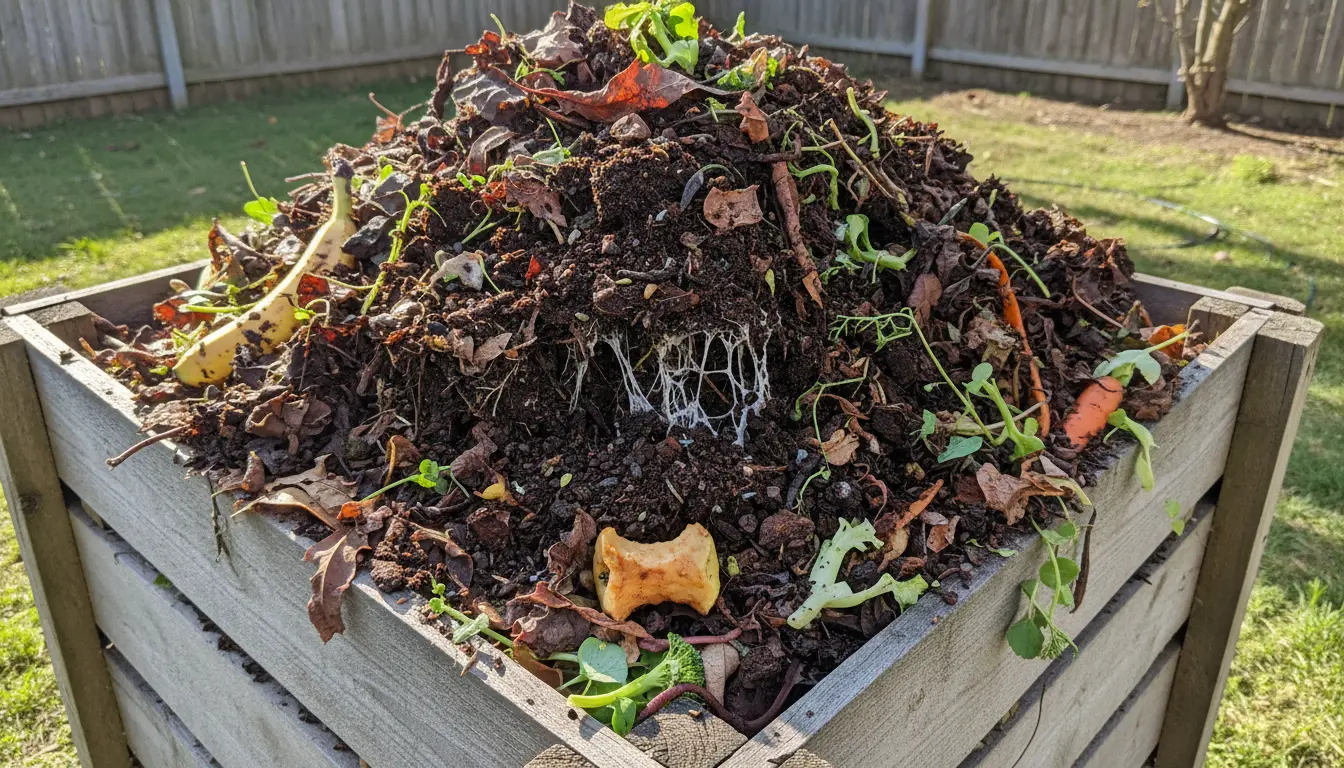
What Is Home Composting?
Home composting is the controlled breakdown of organic kitchen and yard waste into nutrient-rich material for soil. It reduces household trash and improves garden health.
Compost is created by mixing carbon-rich and nitrogen-rich materials while keeping the pile moist and aerated. The process is simple but benefits from consistent care.
Why Choose Home Composting
Home composting lowers landfill waste and returns nutrients to soil. It saves money on fertilizer and reduces greenhouse gas emissions from organic waste.
Gardens and potted plants respond well to compost, which improves soil structure and water retention. Even small spaces can support effective compost systems.
Getting Started with Home Composting
Choose a method that fits your space and lifestyle. Options include a backyard bin, tumbler, worm bin, or a small balcony system.
What You Need to Begin
- Container: compost bin, tumbler, or lidded bin for small spaces
- Materials: a balance of brown (carbon) and green (nitrogen) waste
- Basic tools: garden fork or trowel, and a watering can
Material Guide for Home Composting
Balance is key. Aim for roughly a 3:1 ratio of browns to greens by volume.
- Greens (nitrogen): fruit and vegetable scraps, coffee grounds, fresh grass clippings
- Browns (carbon): dry leaves, straw, shredded cardboard, paper
- Avoid: meat, dairy, oily foods, diseased plants, and pet waste
Setting Up Your Compost Pile
Place your bin on bare soil if possible to allow beneficial organisms to enter. If on a patio, ensure drainage and occasional mixing.
Start with a layer of coarse browns, then add alternating layers of greens and browns. Keep material pieces small to speed decomposition.
Moisture and Aeration
Compost should be as damp as a wrung-out sponge. Too dry slows activity; too wet causes odors.
Turn or mix the pile weekly if possible to add oxygen. Tumblers simplify this step and reduce pest risk.
Maintaining Your Home Compost
Consistent, small actions keep compost active and healthy. Monitor temperature, moisture, and composition regularly.
Routine Tasks
- Add a mix of greens and browns with each batch of kitchen scraps
- Cover new additions with browns to reduce flies and odors
- Turn the pile every 1–2 weeks for faster results
When Is Compost Ready?
Finished compost is dark, crumbly, and smells earthy. Depending on your method, expect 2 months to a year.
Use finished compost as a soil amendment, top dressing, or potting mix ingredient. Sift large pieces for faster plant use.
Adding a thin layer of finished compost to garden beds can increase water retention and reduce the need for watering by up to 25%.
Troubleshooting Common Compost Problems
Problems are usually signs of imbalance. Adjust moisture, aeration, or the ratio of browns to greens to fix issues.
Bad Odor
Cause: Too much wet green waste or poor aeration. Fix: Turn the pile and add dry browns like shredded cardboard or leaves.
Pests or Flies
Cause: Exposed food scraps or meat/dairy. Fix: Bury scraps under a layer of browns and use a closed bin or tumbler.
Slow Decomposition
Cause: Materials too large, too dry, or low in nitrogen. Fix: Chop or shred materials, moisten, and add greens like kitchen scraps or fresh grass.
Small Case Study: Urban Balcony Composting
Case: A two-person apartment household used a worm bin on a small balcony. They processed most kitchen scraps for six months.
Results: The household reduced weekly trash volume by 40% and produced enough worm castings to amend three medium pots and a small herb garden.
Key actions: They kept the bin covered, added shredded paper as bedding, fed vegetable scraps weekly, and harvested castings every two months.
Extra Tips for Successful Home Composting
- Chop scraps into smaller pieces to speed up decomposition.
- Use finished compost sparingly at first until you know plant responses.
- Keep a small countertop scrap pail to collect greens and reduce trips to the bin.
- Consider a compost thermometer for larger piles to monitor activity.
Final Checklist to Start Home Composting
- Choose a bin type: stationary, tumbler, or worm bin
- Collect browns and greens separately for easy layering
- Maintain moisture and turn the pile regularly
- Monitor for pests and odors and adjust as needed
Home composting is a practical and low-cost way to reduce waste and enrich soil. Start small, learn the signals of your compost, and adjust regularly for the best results.