
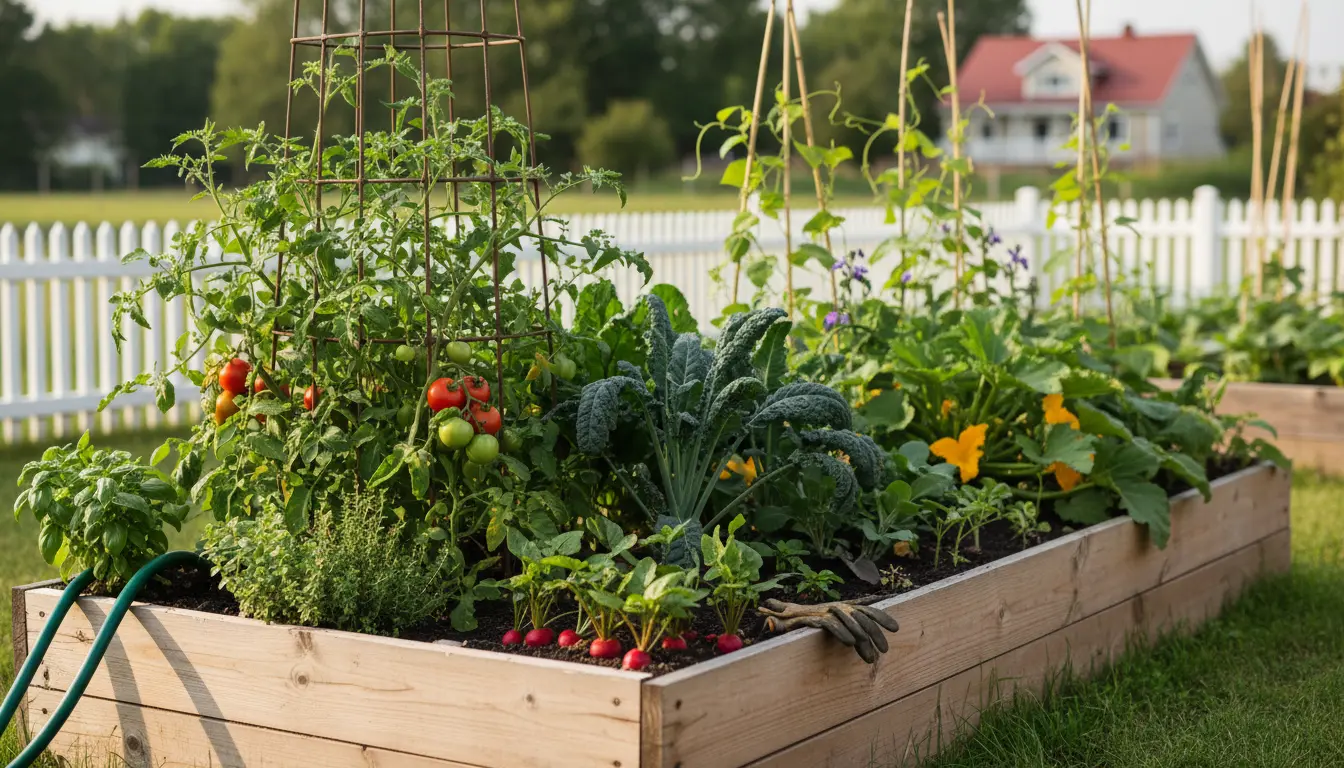
Getting started with a vegetable garden
Starting a vegetable garden is a practical way to grow fresh food, save money, and learn sustainable habits. This guide gives clear, step-by-step instructions you can follow whether you have a yard, a balcony, or a community plot.
Why start a vegetable garden
A vegetable garden gives you control over what you eat and helps reduce grocery costs. It also offers physical activity and can improve mental well-being through hands-on work and time outdoors.
Planning your vegetable garden
Good planning makes gardening easier and more productive. Begin by assessing your space, sunlight, and how much time you can commit weekly.
Choose a site for your vegetable garden
Pick a location with at least 6 hours of direct sunlight for most vegetables. Ensure the area has reasonable drainage and is close to a water source for easier maintenance.
Decide layout and size
Start small: a few raised beds or a 4×8-foot plot is easier to manage and still productive. Consider pathways, bed orientation, and companion planting when drawing your layout.
Soil, beds, and soil preparation
Healthy soil is the most important factor for a successful vegetable garden. Test and amend the soil before planting so plants can access nutrients and water properly.
Steps to prepare soil:
- Test pH and basic nutrients with a simple soil test kit.
- Add compost to improve structure and fertility.
- Use raised beds or containers if soil is poor or compacted.
What to plant first in your vegetable garden
Choose easy-to-grow vegetables for your first season. Select varieties suited to your local climate and season length.
- Leafy greens: spinach, lettuce, kale — quick harvest and tolerant of partial shade.
- Root crops: radishes and carrots — great for beginners and small spaces.
- Warm-season staples: tomatoes, peppers, and bush beans — plant after the last frost.
Planting schedule and spacing
Follow seed packet or plant tag instructions for spacing and planting depth. Stagger plantings for continuous harvest: plant lettuce every 2–3 weeks, for example.
Watering, fertilizing, and maintenance
Consistent watering encourages steady growth and reduces plant stress. Most vegetable gardens need about 1 inch of water per week, delivered deeply rather than shallowly.
Basic maintenance tasks:
- Weed regularly to reduce competition for nutrients.
- Mulch beds to retain moisture and suppress weeds.
- Fertilize with balanced organic fertilizer or compost tea based on crop needs.
Pest control and disease prevention in a vegetable garden
Preventive steps reduce the need for interventions. Start with cultural practices that promote plant health and use targeted controls only when necessary.
- Rotate crops to reduce disease buildup in soil.
- Inspect plants weekly for signs of pests or disease and remove affected material promptly.
- Use physical barriers like row covers, and encourage beneficial insects with flowering borders.
Seasonal care and harvest tips
Know the harvest window for each crop and pick produce at peak ripeness for best flavor. Keep a calendar or note system for planting and harvest dates.
Simple harvest rules:
- Leafy greens: harvest outer leaves continuously.
- Tomatoes: pick when color is full and slightly soft.
- Roots: check depth for carrots and radishes before pulling all plants.
Small real-world example: a balcony vegetable garden case study
Case study: Maria converted a 5-foot balcony into a productive vegetable garden. She used three 12-inch deep containers and a long trough planter to maximize space.
Steps she followed:
- Chose compact varieties: bush tomatoes, baby carrots, and mixed lettuce.
- Prepared potting mix with 50% compost and 50% quality potting soil for good drainage.
- Watered deeply every 2–3 days and used a slow-release organic fertilizer once a month.
Result: By the end of the first season Maria harvested enough salad and tomatoes to reduce her store purchases by half. Her small setup earned her confidence to expand next year.
Common beginner mistakes and quick fixes
Beginners often overwater, overcrowd plants, or skip soil preparation. These issues reduce yields but are fixable with small changes.
- Overwatering: Water less often but deeper, and check soil moisture before watering.
- Overcrowding: Thin seedlings to recommended spacing to improve air flow.
- Poor soil: Add compost and avoid planting directly into compacted ground without amendment.
Final checklist to start a vegetable garden
- Choose a sunny site and measure available space.
- Prepare soil or choose containers and potting mix.
- Select easy crops and follow planting dates for your area.
- Set a watering and maintenance routine and track harvests.
Starting a vegetable garden is a manageable project that pays back with fresh produce and practical skills. Keep plans simple, learn from each season, and scale up as you gain confidence.