
Home Composting for Beginners: Quick Overview
Home composting turns kitchen and yard waste into a useful soil amendment. It reduces waste sent to landfill and enriches garden soil with nutrients.
This guide explains simple methods, setup steps, maintenance tips, and troubleshooting for people starting composting at home.
Why Home Composting for Beginners Matters
Composting reduces household waste and lowers your carbon footprint. It also improves soil structure, water retention, and plant health.
Beginners can choose low-effort methods and scale up over time. Even small apartments can compost with the right system.
Benefits of Home Composting for Beginners
- Reduces kitchen and yard waste volume.
- Produces free, nutrient-rich compost for gardens and potted plants.
- Reduces need for chemical fertilizers.
- Improves soil health and plant resilience.
Choose a Simple Composting Method
Match your compost method to space, effort, and output needs. Beginners should start with an easy, low-maintenance option.
Common Methods for Home Composting for Beginners
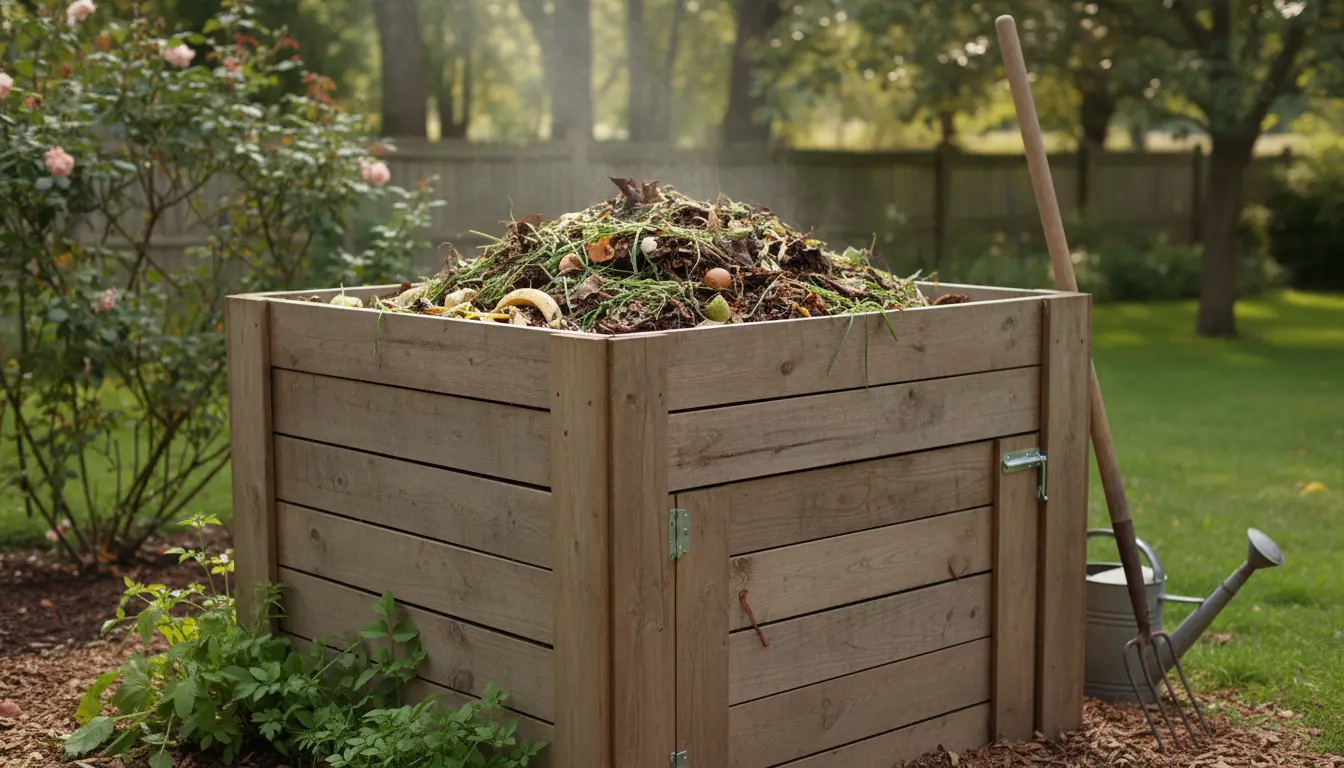
- Compost bin: Enclosed plastic or wooden bin, good for yards and easy maintenance.
- Compost tumbler: Rotating drum speeds up breakdown and is pest-resistant.
- Vermicomposting: Worm bin for indoors or small spaces, ideal for apartment composting.
- Cold pile or heap: Minimal effort, works for large yards but slower.
Setting Up Your First Compost System
Pick a dry, shaded spot if outdoors. If indoors, choose a well-ventilated area and a compact worm bin or bokashi system.
Follow three basic rules: balance green and brown materials, maintain moisture, and provide airflow.
Materials to Use and Avoid
Greens are nitrogen-rich and include vegetable scraps, coffee grounds, and fresh grass clippings. Browns are carbon-rich and include dry leaves, cardboard, and paper.
- Good: fruit and vegetable scraps, coffee grounds, eggshells, yard trimmings, shredded paper.
- Avoid: meat, dairy, oily foods, diseased plants, pet feces, and synthetic materials.
Step-by-Step Startup
- Choose a container or site and place on soil if possible to allow organisms in.
- Begin with a few inches of brown material to create a dry base.
- Add greens and browns in layers or mix in a 1:2 green-to-brown volume ratio as a starting point.
- Keep the pile moist like a wrung-out sponge; add water or dry material as needed.
- Turn or aerate the pile every 1–2 weeks for faster decomposition, or rotate a tumbler per instructions.
Maintenance Tips for Home Composting for Beginners
Regular checks prevent odors, pests, and slow decomposition. Simple fixes keep your compost healthy.
- Smell: A healthy pile smells earthy. If it smells sour, add more browns and aerate.
- Moisture: If too dry, add water and greens. If too wet, add dry browns and turn the pile.
- Temperature: Hot piles (130–150°F) break down faster; smaller piles cool quickly and decompose slower.
Common Problems and Solutions
- Pests: Use a closed bin, bury food scraps, and avoid meat/dairy.
- Slow breakdown: Chop materials smaller, increase greens for nitrogen, or turn the pile more often.
- Too wet: Add shredded cardboard, dry leaves, and improve drainage.
Compost can reduce household waste by up to 30 percent. Even a small kitchen caddy with a worm bin can divert a surprising amount of organic material from the trash.
Using Your Finished Compost
Finished compost is dark, crumbly, and smells like earth. Screen it if you want a fine texture for potting mixes.
Use compost as a soil top dressing, mix into planting beds, or blend with potting mix at 10–30 percent by volume.
Real-World Example: A Small Urban Backyard Case Study
Maria, a city homeowner, started with a 60-gallon closed compost bin. She layered shredded newspaper, kitchen scraps, and yard clippings.
After six months of turning every two weeks and maintaining a moist pile, she harvested rich compost that she mixed into her vegetable beds. Her tomato yields improved and her weekly trash volume decreased noticeably.
Tips to Keep Going
Start small and be consistent. Track what you add and adjust ratios based on smell and speed.
Join a local garden group or composting class to learn from others. Many cities offer free composting resources and reduced-price bins.
Checklist for Home Composting for Beginners
- Choose a suitable bin or method.
- Collect a balance of greens and browns.
- Keep the pile moist and aerated.
- Monitor and troubleshoot odors or pests early.
- Use finished compost to enrich soil and reduce fertilizer use.
Home composting for beginners is practical and rewarding. With basic equipment and a little attention, you can convert kitchen and yard waste into a valuable resource for your garden.