
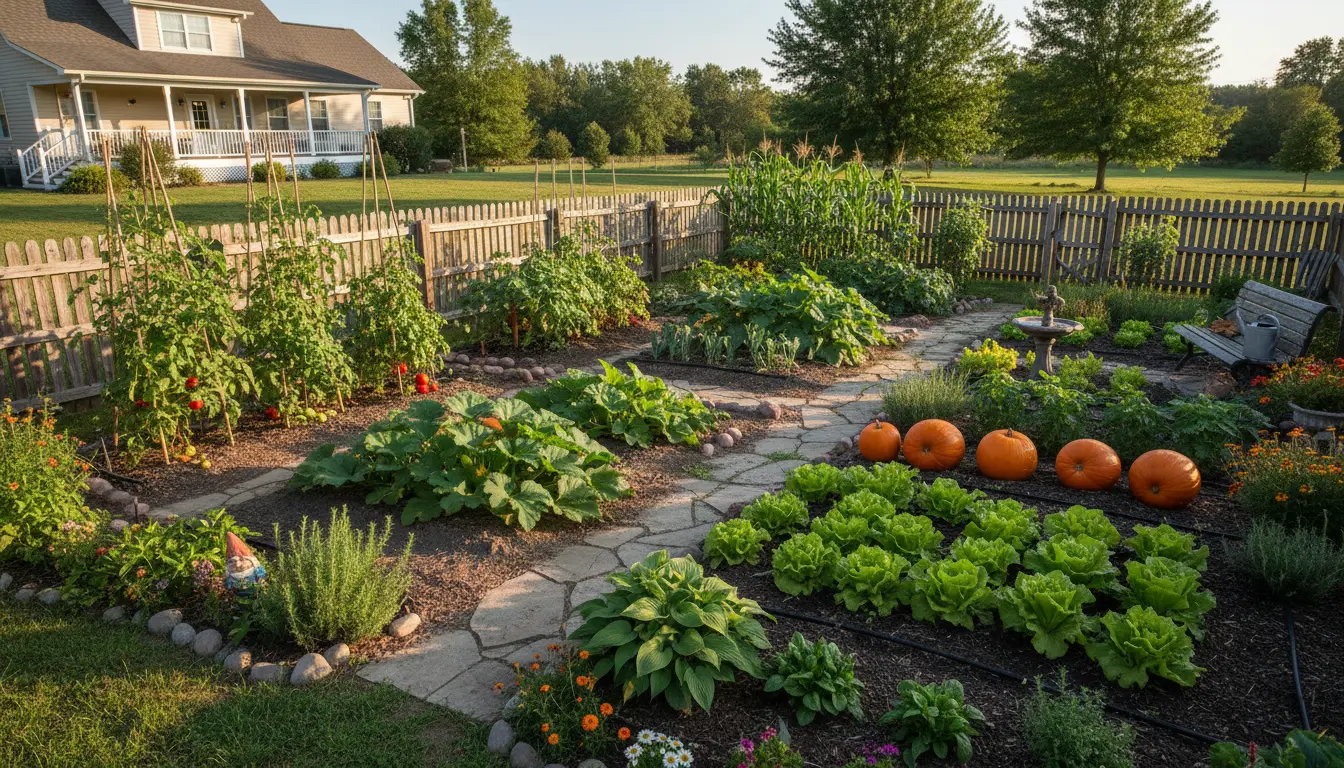
Starting a small vegetable garden is a manageable project for beginners and busy homeowners. This guide breaks the process into clear steps so you can grow reliable crops in a compact space.
How to Start a Small Vegetable Garden: Plan and Prepare
Good results begin with planning. Decide what you want to grow, the space you have, and how much time you can dedicate each week.
Sketch a simple layout, noting sun exposure and access to water. Small gardens can be in-ground, raised beds, or containers on a balcony.
Choose the Right Location for a Small Vegetable Garden
Most vegetables need at least 6 hours of direct sunlight daily. Observe sun patterns for several days to pick the sunniest spot.
Consider proximity to your kitchen and water source. A close location increases the chance you’ll tend plants regularly.
Pick Suitable Vegetables for a Small Garden
Start with easy, high-yield crops that suit compact spaces. Good choices include:
- Lettuce, spinach, and mixed greens
- Cherry tomatoes and determinate tomato varieties
- Bush beans and dwarf peas
- Radishes, carrots (in deep containers), and beets
- Herbs like basil, cilantro, and parsley
Choose varieties labeled compact, patio, or container-friendly to maximize yields.
Soil and Bed Preparation for a Small Vegetable Garden
Healthy soil is the foundation of a small vegetable garden. Improve poor soil with organic matter and ensure good drainage.
Test and Improve Soil for a Small Vegetable Garden
Use a simple soil test kit to check pH and nutrient levels. Most vegetables prefer slightly acidic to neutral soil (pH 6.0–7.0).
Incorporate 2–4 inches of compost into the top 6–8 inches of soil. For raised beds, use a mix of topsoil, compost, and a small amount of coconut coir or peat for moisture retention.
Build Raised Beds or Use Containers
Raised beds warm faster and drain better than in-ground rows. A 4×4 or 4×8 foot raised bed fits most small yards and provides many harvests.
Containers must be large enough for root growth and have drainage holes. Use high-quality potting mix rather than garden soil in pots.
Planting, Watering, and Care for a Small Vegetable Garden
Follow planting dates for your region and pay attention to spacing to avoid overcrowding. Succession planting helps maintain continuous harvests.
Practical Watering Tips for a Small Vegetable Garden
Water deeply and less frequently to encourage strong root systems. Early morning is the best time to water to reduce disease risk.
Consider drip irrigation or soaker hoses to conserve water and reduce leaf wetness.
Fertilizing and Mulching
Use a balanced organic fertilizer at planting and side-dress with compost mid-season. Mulching with straw or shredded leaves reduces weeds and retains moisture.
Pest, Disease, and Space Management in a Small Vegetable Garden
Small gardens can be easier to manage for pests if you use integrated techniques. Regular inspection prevents small problems from becoming large ones.
- Rotate crops yearly to reduce soil-borne diseases.
- Use row covers early in the season to protect young plants from insects.
- Encourage beneficial insects with flowering herbs and companion plants.
Remove and compost diseased leaves and avoid overhead watering to reduce fungal issues.
Maximize Space in a Small Vegetable Garden
Use vertical supports for vining crops like pole beans and tomatoes. Interplant fast-growing greens with slow fruiting crops for better use of space and time.
Examples: Plant lettuce between tomato seedlings early in the season, then harvest lettuce before tomatoes need the space.
Raised beds can warm 2–4 degrees Fahrenheit earlier in spring, allowing earlier planting and faster growth in cool climates.
Harvesting and Seasonal Care for a Small Vegetable Garden
Harvest regularly to encourage continuous production. Pick tomatoes when they are fully colored and slightly soft to the touch.
After harvest, clear spent plants and add compost. Plan fall crops like spinach or kale for cool-season harvesting.
Small Garden Calendar
- Spring: Prepare beds, start seeds, plant cool-season crops.
- Summer: Maintain water, mulch, and monitor pests.
- Fall: Plant cool-season greens and clean beds after harvest.
Real-World Example: A 4×4 Raised Bed Case Study
Maria, a first-time gardener, used a 4×4 raised bed on her apartment balcony. She filled it with a 60% compost and 40% topsoil mix and planted determinate tomatoes, bush beans, basil, and salad greens.
By spacing crops properly and using drip irrigation, she harvested lettuce weekly and tomatoes all summer. Her bed needed about 20 minutes of maintenance three times per week.
Key results: continuous salad greens for 4 months, two harvest cycles of beans, and 12–15 tomatoes from two small plants.
Final Tips to Start a Small Vegetable Garden
Begin small and build skills. Success in a small vegetable garden comes from consistent care, good soil, and appropriate plant choices.
Keep a simple journal of planting dates and results. Small adjustments each season will improve yields and reduce problems over time.
Use local extension services or seed catalogs to choose varieties suited to your climate and length of growing season.
With planning and simple routines, anyone can start a productive small vegetable garden and enjoy fresh homegrown produce.