
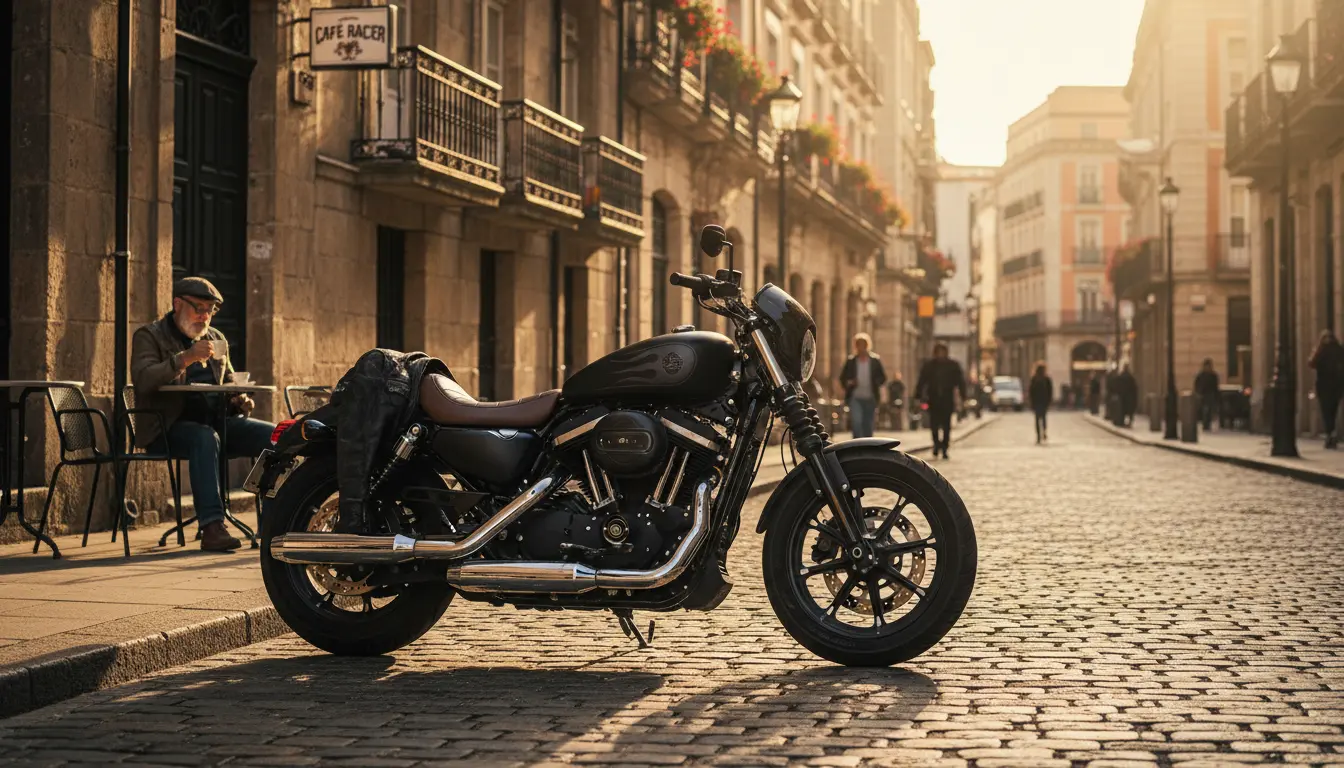
Overview of Harley-Davidson To Launch A New Affordable Entry-Level Bike
Harley-Davidson announced plans to introduce a more affordable entry-level bike targeted at new riders and budget-conscious buyers. The new model has a 750cc engine, a claimed mileage of about 35 km per liter, and an expected price around 4500 USD.
This article explains the key specs, ownership costs, practical pros and cons, and a short case study to show how the bike fits into real use.
Key specifications for the new Harley-Davidson 750cc entry-level bike
Knowing the basic specs helps compare this model with rivals and used bikes. Here are the publicly discussed figures and reasonable expectations based on the announcement.
- Engine: 750cc single or twin configuration depending on market tuning
- Fuel efficiency: Claimed 35 km per liter in mixed riding
- Price: Approximately 4500 USD as the starting price for basic trim
- Target audience: New riders, commuters, and riders seeking a low-cost Harley badge
- Features: Likely ABS, simple digital display, and standard safety equipment
Engine and mileage details for Harley-Davidson To Launch A New Affordable Entry-Level Bike
A 750cc engine in an entry-level motorcycle is relatively large compared with many commuter bikes. Expect moderate torque and relaxed highway cruising abilities. A key selling point is the claimed 35 km per liter, which, if accurate, offers competitive running costs.
Manufacturers often report mileage under ideal conditions. Real world fuel consumption can vary with load, riding style, and tuning. Treat the 35 km per liter as a useful guideline rather than an absolute number.
Cost of ownership and running expenses
Beyond the purchase price, budget riders need a clear picture of ongoing costs. These include fuel, insurance, servicing, and eventual depreciation.
- Fuel: At 35 km per liter, a 400 km monthly commute uses about 11.5 liters. Multiply by local fuel price to estimate monthly fuel cost.
- Insurance: Entry-level bikes typically have lower premiums than high-performance models, but make sure to compare quotes for a 750cc bike.
- Maintenance: Expect scheduled service intervals and typical wear items like tires, brake pads, and chain or belt upkeep.
- Depreciation: Affordable new models can hold value if demand is high, but brand shifts and market saturation affect resale price.
Practical ownership tips
Follow these steps to get the best value from the new Harley-Davidson entry-level bike.
- Test ride to confirm comfort and power delivery for your riding style.
- Compare insurance quotes for a 750cc engine class.
- Check dealer service plans and available warranty coverage.
- Consider optional features that add safety or long term savings, such as ABS or an extended warranty.
Harley-Davidson has historically focused on larger displacement bikes, so a 750cc budget model signals a strategic move to broaden the customer base and compete in segments often served by other brands.
Pros and cons of choosing this Harley-Davidson 750cc entry-level bike
Weighing advantages and trade offs helps buyers make a practical choice. The list below summarizes the main considerations.
- Pros: Iconic brand, accessible price, strong torque for highway riding, better fuel efficiency than many larger cruisers.
- Cons: May be heavier than rival small-displacement bikes, insurance and licensing rules vary by market, potential premium for brand-related parts and accessories.
How it compares to common alternatives
Compare the new model with mid-size bikes from other mainstream manufacturers and used machines. Key comparison points are price, weight, fuel efficiency, and dealer support.
For many buyers, dealer service network and warranty can be as important as peak torque numbers.
Real-world example: Case study of a commuter choosing the new Harley-Davidson
Case study: Sara commutes 30 km round trip daily and wants a reliable, comfortable bike for city and occasional highway travel. She considers the new Harley 750cc priced at 4500 USD.
Estimated monthly costs using the claimed 35 km per liter and a fuel price of 1.20 USD per liter:
- Daily commute 30 km x 22 workdays = 660 km per month
- Fuel used: 660 km / 35 km per liter = 18.9 liters
- Monthly fuel cost: 18.9 liters x 1.20 USD = 22.68 USD
Sara compares this with a 500cc competitor that returns 25 km per liter. The competitor would cost about 31.68 USD monthly, making the Harley slightly cheaper to run on fuel. She also weights comfort and brand preference in her decision.
Buying checklist for prospective buyers
Use this checklist to evaluate the bike before purchase.
- Confirm final specifications and exact model trim at your local dealer
- Test ride for fit, ergonomics, and throttle response
- Get a full cost estimate including registration and insurance
- Ask about warranty, scheduled maintenance, and common replacement parts
- Compare total cost of ownership with similar mid-size bikes
Final practical recommendation
If the price and mileage figures hold true, this Harley-Davidson model could be a compelling option for riders who want a balance of brand identity, usable power, and reasonable running costs. It is well suited to commuters who also want occasional weekend touring ability.
Always confirm official specs, availability, and local prices before making a buying decision. A test ride and cost comparison will help confirm if this bike fits your needs and budget.