
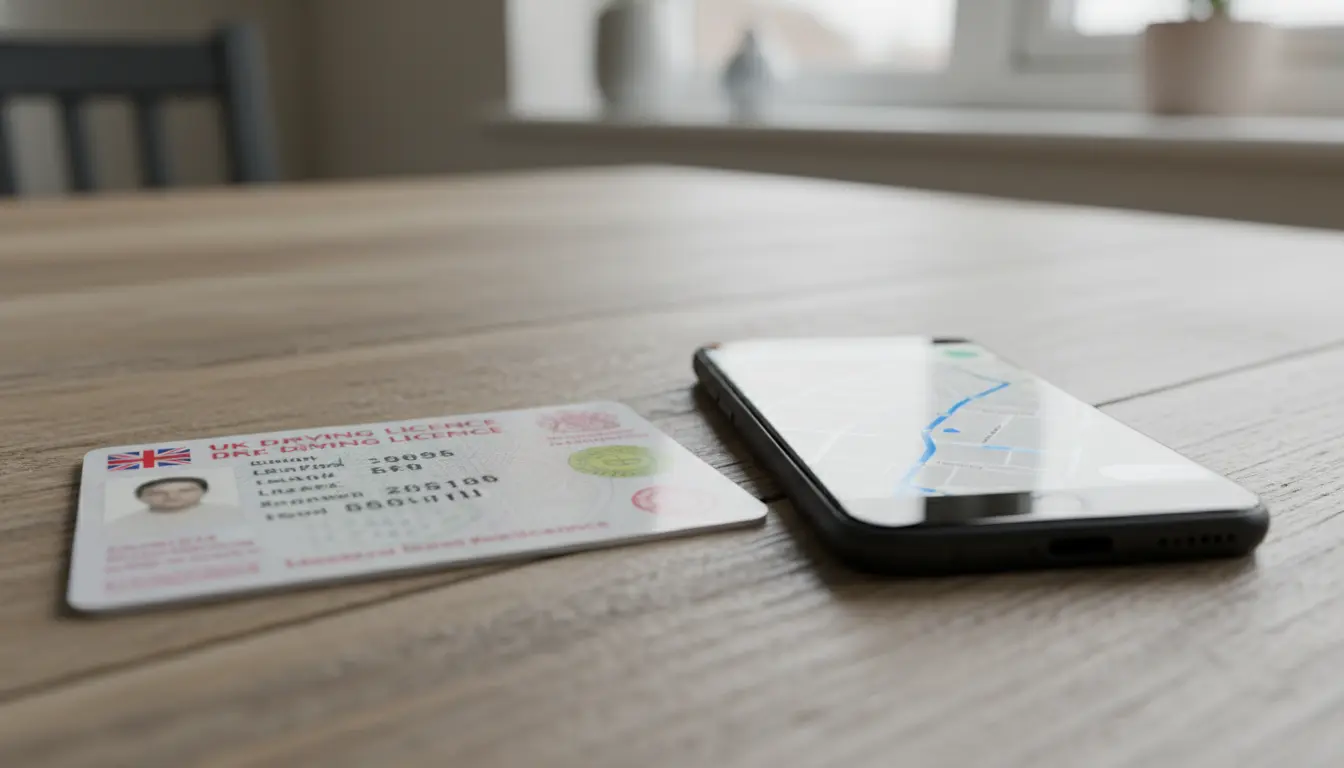
The DVLA has confirmed a set of changes to driving licence rules and services that take effect from March 2026. This article explains the confirmed changes, who will be affected, and practical steps drivers should take to stay compliant and reduce disruption.
DVLA driving licence changes from March 2026: quick summary
Key points confirmed by the DVLA include the roll-out of a secure digital driving licence option, updates to online renewal windows, tighter identity checks for some licence categories, and clearer rules for medical declarations. Each change is aimed at improving security and convenience.
- Introduction of an official digital driving licence available through the GOV.UK service.
- Updated renewal and expiry processes for certain licence holders.
- Enhanced identity and medical checks for specific groups.
- New photo and document standards for online applications.
What the DVLA driving licence changes mean for you
Not every driver will see the same impact. Many drivers will only notice more options for online renewal or the ability to use a verified digital licence. Other drivers, for example those with long-term health conditions or commercial driving licences, may face additional verification steps.
Who is likely to be affected
- Drivers who currently renew by post or through third-party services.
- Drivers with medical conditions that affect fitness to drive.
- Professional drivers holding vocational licences such as PCV or HGV.
- Drivers who frequently change address or personal details.
How to get and use the new digital driving licence
The DVLA will make a verified digital licence available through GOV.UK and the official app. This will sit alongside the existing photocard licence rather than replacing it immediately.
Steps to obtain a digital driving licence:
- Register or sign in to GOV.UK Verify or the DVLA app using government ID checks.
- Link your existing photocard licence to the digital service by entering your licence number and personal details.
- Confirm any required identity documents and accept terms to enable the digital licence.
The digital licence will be intended for everyday use, such as showing ID to police or rental companies. The photocard should still be kept for certain official or overseas checks unless guidance changes later.
Renewals, medical checks and document standards
From March 2026 the DVLA has confirmed an updated renewal window intended to reduce last-minute renewals and errors. The DVLA will also require clearer photo standards for online uploads and may request original documents for some applications.
Medical declarations
Drivers with medical conditions must continue to declare relevant conditions. The DVLA will add clearer online prompts and may require medical reports for certain conditions when renewing or updating licences.
- Ensure your GP or specialist has the most recent information if you rely on medical letters.
- Allow extra time for any case that may need a medical assessment.
Checklist: Prepare before March 2026
- Check the expiry date on your photocard licence and passport.
- Create or verify your GOV.UK account and update contact details.
- Scan or photograph identity documents using the recommended standards.
- Ask your doctor for copies of any relevant medical reports in advance.
- Consider switching to the digital licence option once it is available.
Case study: A practical example
Case study: Sarah is 68 and drives to visit family weekly. Her photocard licence was due to expire in April 2026. She registered for GOV.UK in February 2026, linked her licence, and chose the digital option. Her renewal was processed in ten working days after she uploaded a compliant photo and confirmed her medical declaration. Sarah now carries the digital licence on her phone and keeps the photocard in a safe place.
This example shows the benefit of preparing early and using the new online services to reduce delays.
Common questions and practical answers
Will the photocard licence be phased out?
No. The photocard will remain valid. The digital licence is an additional option designed for convenience and quicker identity checks.
Will the digital licence be accepted everywhere?
Most domestic checks will accept the official DVLA digital licence, but some organisations or overseas authorities may still require the photocard. Carry both if you are unsure.
What about private companies and hire firms?
Private companies that hire vehicles or check identity will be advised to accept the DVLA digital licence. Drivers should confirm acceptance with a company before travel or hire.
Final practical steps
Before March 2026, check your documents, create or confirm your GOV.UK account, and gather medical information if relevant. When the DVLA digital licence becomes available, use the step-by-step process online to link your photocard and download the digital version.
If you rely on driving for work or need frequent ID checks, test the digital licence with employers or hire companies early to ensure acceptance. Doing this will reduce the chance of last-minute problems during renewals or travel.
For the latest official guidance, always refer to GOV.UK and the DVLA pages. These sources will list detailed steps and any changes to the schedule as the March 2026 date approaches.