
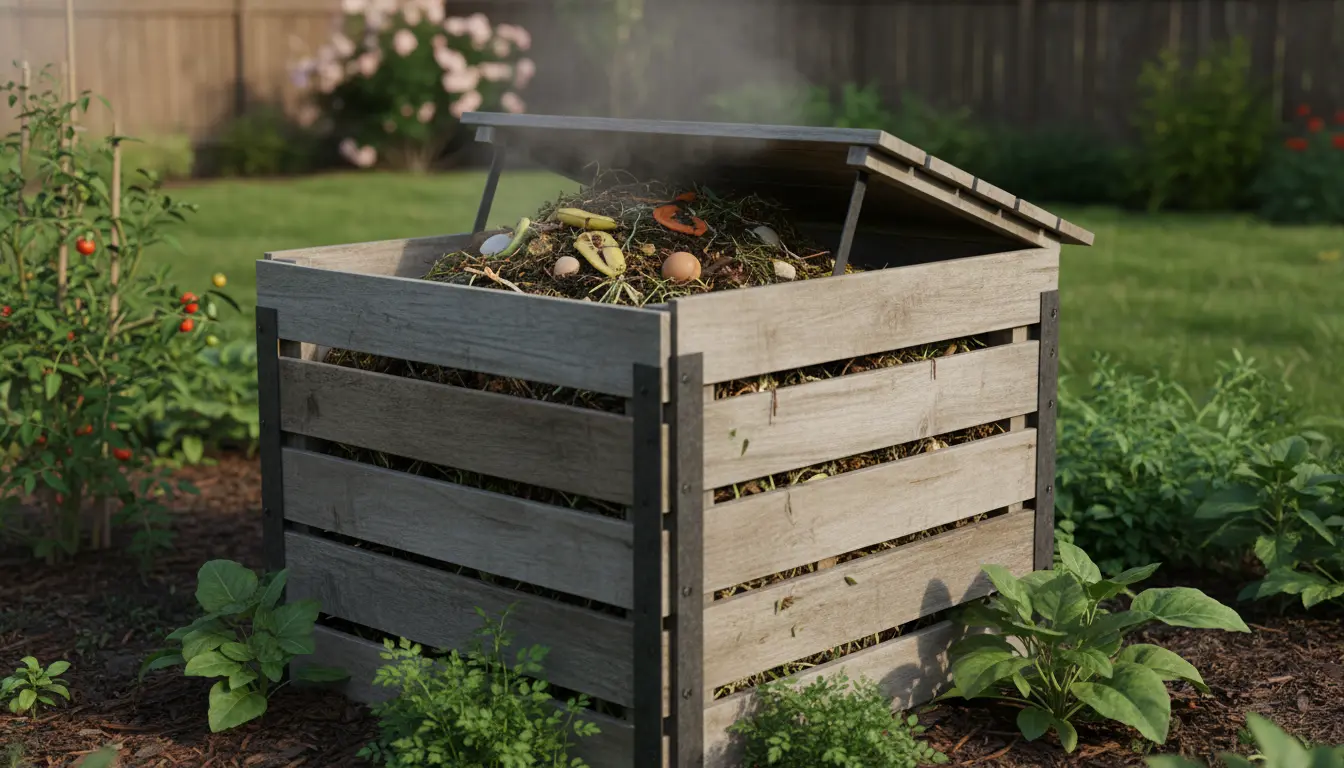
Home Composting for Beginners: Getting Started
Home composting turns kitchen and yard waste into a valuable soil amendment. This guide explains the simple, practical steps a beginner can follow to build and maintain a compost system at home.
Why start composting at home?
Composting reduces landfill waste and improves garden soil structure. It saves money on fertilizers and supports healthier plants by returning nutrients to the soil.
Choose a Method That Fits Your Space
There are several methods suitable for different living situations. Pick one based on space, effort, and budget.
- Open pile: Best for yards with space; low cost but needs turning.
- Compost bin: Tidy and contained; good for suburban gardens.
- Tumbler: Faster composting with easy turning; more expensive.
- Worm bin (vermicomposting): Ideal for small apartments or indoor use; uses food scraps and red worms.
Home Composting for Beginners: What to Compost
Balance ‘greens’ and ‘browns’ to speed decomposition and avoid odors. Greens provide nitrogen; browns provide carbon.
Common Greens
- Fruit and vegetable scraps
- Fresh grass clippings
- Coffee grounds and tea leaves
Common Browns
- Dry leaves and straw
- Shredded paper and cardboard
- Small woody prunings
How to Build and Maintain a Compost Pile
Follow these steps to create an efficient compost pile. Keep the pile moist and aerated for best results.
- Choose a level location with partial sun and good drainage.
- Start with a 4–6 inch layer of coarse browns for airflow.
- Add alternating layers of greens and browns, aiming for about 2:1 browns to greens by volume.
- Keep the pile moist like a wrung-out sponge; add water if dry.
- Turn the pile every 1–2 weeks to introduce oxygen and speed decomposition.
Temperature and Timing
A properly balanced pile will heat to 120–160°F (49–71°C). Hot composting can produce finished material in a few months. Cooler, slower piles take 6–12 months.
Troubleshooting Common Problems
Beginners often encounter odors, pests, or slow breakdown. These usually have simple fixes.
- Bad odors: Add more browns and turn the pile to aerate it.
- Pests: Avoid adding meat, dairy, or oily foods; bury food scraps inside the pile.
- Slow decomposition: Increase surface area by chopping materials and ensure the pile is moist and warm.
Using Finished Compost
Mature compost is dark, crumbly, and smells earthy. Use it in gardens, raised beds, and as a top dressing for lawns.
- Mix with planting soil at a 1:3 ratio for new beds.
- Top-dress pots and garden beds with a thin layer to add nutrients and retain moisture.
- Make a compost tea by steeping compost in water and using it as a mild liquid feed.
Composting diverts roughly 30% of household waste from landfills and can reduce greenhouse gas emissions by preventing organic matter from producing methane in anaerobic landfill conditions.
Small Real-World Example: One Family’s First Year
A household in Portland started a 3×3 foot backyard bin and added kitchen scraps and yard trimmings. They turned the pile every two weeks and kept a balanced mix of browns and greens.
After six months they had enough compost to top-dress vegetable beds and reduce grocery soil purchases by half. They also reported fewer garbage pickups with food scraps removed from their waste stream.
Simple Tips for Beginners
- Keep a small counter bucket with a lid for kitchen scraps to prevent indoor odors.
- Chop or shred larger materials so they break down faster.
- Record additions and turning dates to learn what works in your climate.
- Use a compost thermometer if you want to monitor pile health precisely.
Final Checklist for Home Composting for Beginners
- Choose a method that fits your space (bin, tumbler, pile, or worm bin).
- Balance greens and browns and maintain moisture.
- Turn periodically and troubleshoot odors or pests quickly.
- Harvest finished compost and apply it to your garden.
Start small and adjust your system as you learn. Composting is a low-cost, practical way to reduce waste and improve soil health over time.