
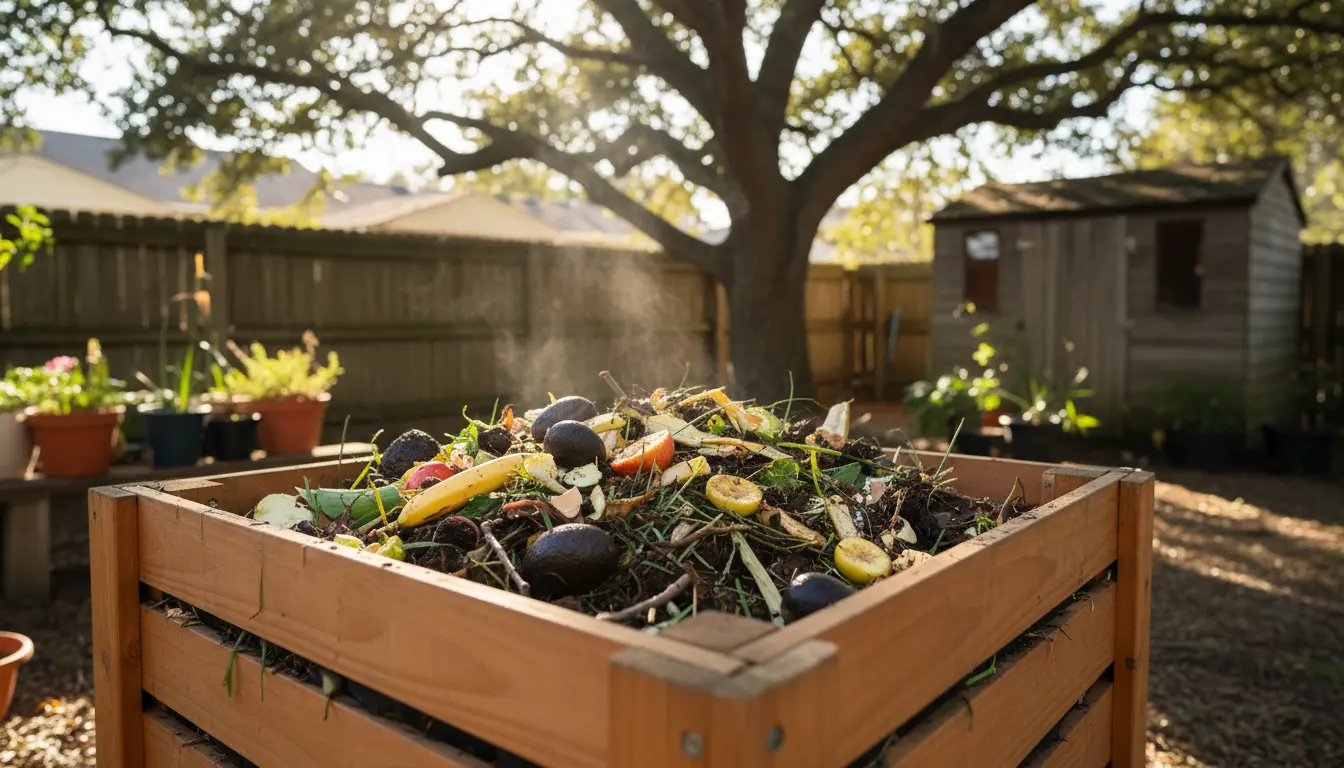
Home Composting Basics
Home composting turns kitchen and yard waste into nutrient-rich material you can use in the garden. It reduces landfill trash and improves soil structure in a few months with the right approach.
This guide covers simple, repeatable steps to set up and maintain a compost system at home, plus tips for common problems.
Why choose home composting
Composting cuts household waste volume and returns organic matter to the soil. It also saves money on fertilizers and helps retain moisture in garden beds.
Materials for Home Composting
Successful compost needs a mix of carbon-rich and nitrogen-rich materials. Aim for a balanced pile for faster breakdown.
What to add to your compost
- Greens (nitrogen): vegetable scraps, coffee grounds, fresh grass clippings.
- Browns (carbon): dry leaves, shredded paper, cardboard, straw.
- Small amounts of garden trimmings and non-treated wood chips.
What to avoid
- Meat, dairy, oils, and bones — these attract pests and create odor.
- Diseased plants or invasive weeds that might survive the process.
- Pet waste from carnivores unless you use a hot, managed system.
How to Start a Home Compost Bin
Choose a method that fits your space: a simple open pile, a stationary bin, or a tumbling composter. All work if you manage the balance of materials, moisture, and air.
Step-by-step beginner setup
- Pick a spot: partial shade on well-drained ground works best.
- Prepare the base: start with coarse material like small branches or straw for airflow.
- Layer: add a 3-4 inch layer of browns, then a thinner layer of greens. Repeat layers.
- Moisture: aim for a damp sponge consistency — not soaking wet, not dry.
- Turn: mix or turn the pile every 1–2 weeks to add oxygen and speed decomposition.
Basic maintenance
- Monitor moisture and add water or dry brown materials as needed.
- Chop larger pieces to speed composting.
- Keep a roughly 2:1 ratio of browns to greens by volume as a starting point.
Composting can reduce household waste by up to 30 percent and improve garden soil porosity and nutrient content.
Troubleshooting Home Composting Problems
Common issues are easy to fix when you know the signs. Smell, pests, and slow decomposition are usually caused by imbalances or lack of airflow.
Smelly compost
A strong odor usually means too much wet, nitrogen-rich material or poor aeration. Add dry browns and turn the pile to introduce air.
Pests in compost
Rats, flies, or other pests appear when food scraps like meat or greasy items are added. Remove those items and bury kitchen scraps under browns. Use a closed bin if pests are persistent.
Compost not heating or breaking down
Low temperature and slow activity mean the pile is too small, too dry, or lacking nitrogen. Increase pile size to at least 1 cubic meter, add greens, and keep it moist.
How to Use Finished Home Compost
Finished compost is dark, crumbly, and smells earthy. Use it to enrich vegetable beds, topdress lawns, or mix into potting blends.
Application tips
- Mix 1–3 inches of compost into garden beds before planting.
- Topdress established beds with a thin layer each spring or fall.
- Create potting soil blends by mixing one part compost with two parts soil or coconut coir.
Case Study: One Family’s Home Composting Success
The Rivera family used a 120-liter tumbling bin on their urban lot. They collected daily kitchen scraps and added dry leaves twice a week. They turned the bin every 7–10 days.
After five months they had usable compost. Their weekly trash volume dropped by roughly 35 percent. They used three wheelbarrows of compost to topdress raised beds and reported stronger vegetable growth the next season.
Key lessons: consistent turning, maintaining moisture, and keeping a steady mix of browns and greens made the system reliable for a busy household.
Quick Checklist to Start Home Composting
- Choose a bin or pile location in partial shade.
- Gather materials: greens and browns in a 1:2 ratio by volume.
- Layer materials and keep the pile moist.
- Turn regularly to provide oxygen.
- Monitor and adjust for smell, pests, or slow breakdown.
Home composting is a practical, low-cost way to reduce waste and improve your garden. Start small, observe changes, and adapt your routine. With basic attention, even beginners can produce rich compost in months.