
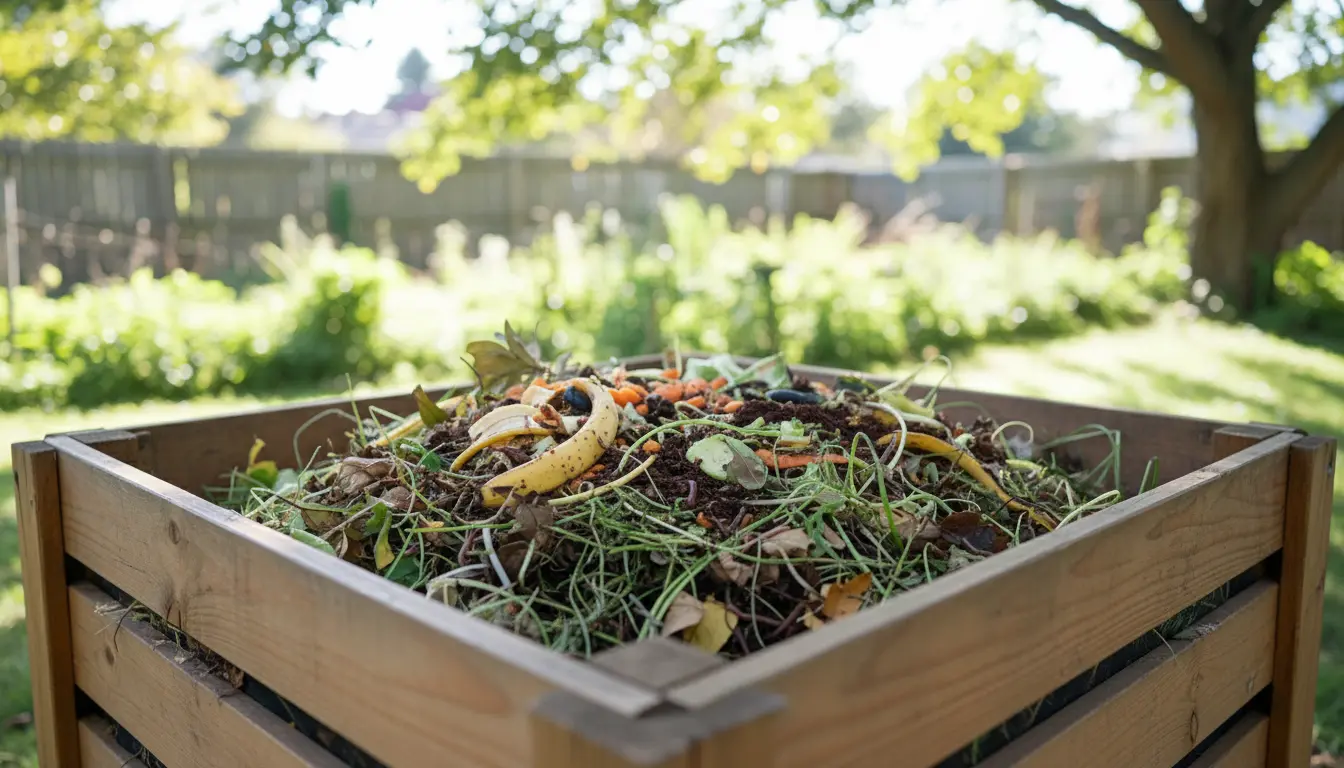
Home composting turns kitchen scraps and yard waste into nutrient-rich soil. This guide gives clear, practical steps so beginners can start composting at home with confidence.
Why Home Composting Matters
Home composting reduces landfill waste and returns nutrients to your garden. It also saves money on fertilizer and improves soil structure over time.
For many households, composting cuts food waste by up to half and lowers trash volume. The process is simple once you understand the basic rules.
How to Start Home Composting
Choose a composting method that fits your space and schedule. Popular options include a simple pile, a compost bin, or a worm (vermicompost) system for small spaces.
Home Composting Basics
Set up your compost in a dry, shaded spot near a water source. Good airflow, balanced materials, and the right moisture level speed decomposition.
- Start with a bin or a contained area to keep pests away.
- Aim for a pile at least 3 feet wide for faster breakdown, or use a bin if space is limited.
- Turn the pile every 1–2 weeks to add oxygen and mix materials.
Materials for Home Composting
Compost needs a balance of carbon rich materials (browns) and nitrogen rich materials (greens).
- Greens: vegetable scraps, fruit peels, coffee grounds, fresh grass clippings.
- Browns: dry leaves, shredded paper, cardboard, small wood chips.
- Do not add meat, dairy, diseased plants, or pet waste to an open compost pile.
Step-by-Step Home Composting Process
Follow these steps for a basic compost pile that will produce usable compost in months, not years.
- Layer a 2–4 inch base of coarse browns for drainage.
- Add alternating layers of greens and browns. Aim for roughly 2:1 browns to greens by volume.
- Keep the pile moist like a wrung-out sponge. Water if it dries out, cover if too wet.
- Turn the pile every 1–2 weeks to aerate and speed decomposition.
- When materials are dark, crumbly, and smell earthy, the compost is ready to use.
Home Composting Timeframes
Time to finished compost varies. With regular turning and a balanced mix, expect usable compost in 2–6 months.
Cold composting (minimal turning) can take 6–12 months but requires less effort.
Composting just one ton of food scraps avoids roughly 1.9 metric tons of CO2 equivalent emissions compared to sending that waste to landfill.
Troubleshooting Home Composting Problems
Common issues are easy to fix with small adjustments to balance and maintenance.
Smell
A strong ammonia or rotten odor means too many greens or poor aeration. Add dry browns and turn the pile to introduce oxygen.
Pests
Raccoons, rodents, or flies are attracted by exposed food. Bury food scraps under browns, use a closed bin, and avoid meat and dairy.
Slow Decomposition
If the pile is not breaking down, it may be too dry, too cold, or lacking nitrogen. Add water, green materials, and increase turning frequency.
Small Real-World Example
Case Study: The Garcia Family started a 3-foot compost bin in their backyard. They collected kitchen scraps and lawn clippings for six months.
After three months of regular turning and layering, they produced enough compost to enrich two raised garden beds. Their weekly trash volume dropped by about 30 percent.
Tips and Best Practices for Home Composting
- Chop or shred large items to speed decomposition.
- Keep a countertop compost pail with a tight lid to collect scraps before transferring to the bin.
- Use finished compost as a top dressing or mix it into potting soil for seedlings.
- Label bins with start dates if you run multiple piles to track readiness.
Home Composting for Different Spaces
Apartment dwellers can use vermicomposting with a small worm bin indoors. Balcony gardens can use tumblers or compact bins designed to control odor and pests.
Suburban and rural homes have more options like large static bins or open windrows for high-volume yard waste.
Home composting is an accessible, low-cost way to reduce waste and improve soil health. Start small, learn by doing, and adjust your system to match your household’s needs.