
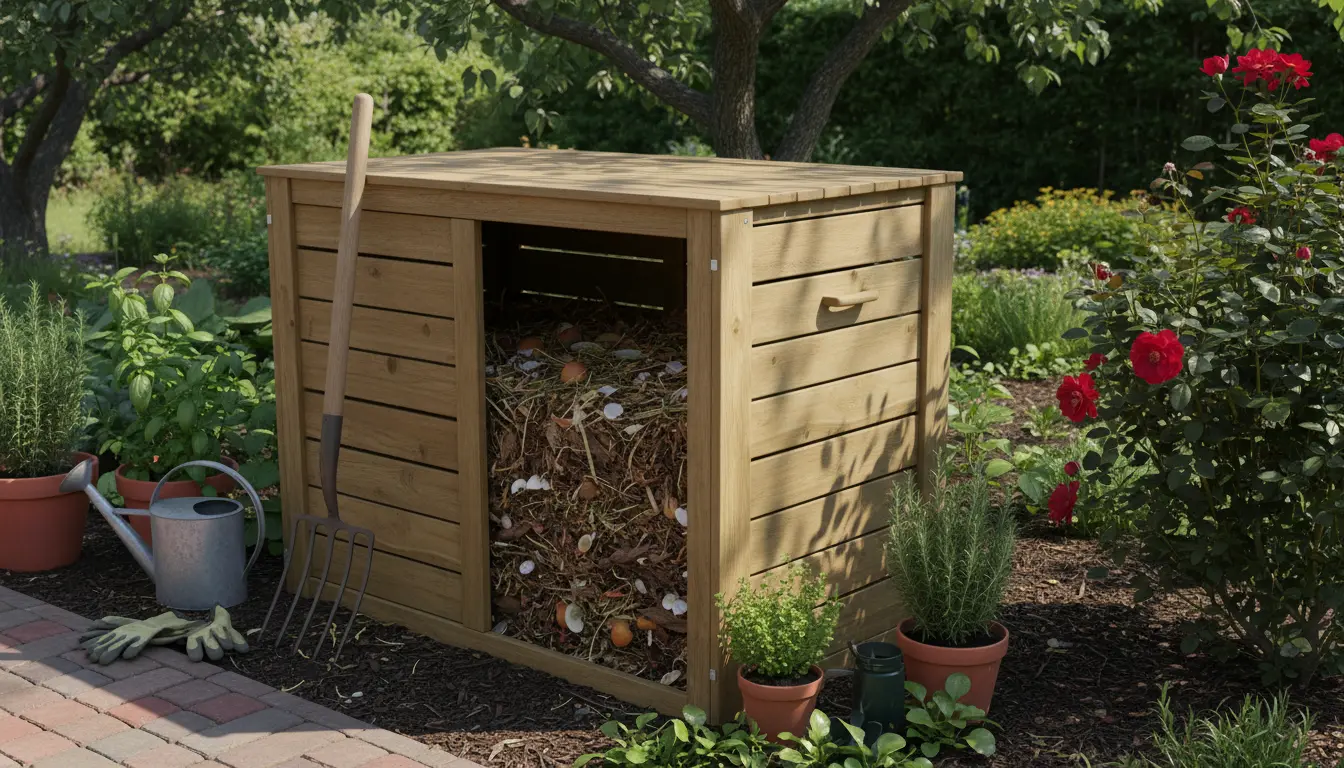
Home composting turns food scraps and yard waste into valuable soil amendment. This guide shows clear, practical steps you can follow today, whether you have a backyard or a small balcony.
Home Composting Basics
Composting is a managed process of decomposition that produces humus-like material. Proper balance of materials, moisture, and airflow encourages beneficial microbes and reduces odors.
Key goals are maintaining a mix of carbon and nitrogen, keeping the pile moist but not soggy, and turning the pile periodically to add oxygen.
Why Compost at Home
- Diverts organic waste from landfills.
- Improves soil structure and water retention.
- Reduces need for chemical fertilizers.
Setting Up Your Compost Bin
Choose a system that matches your space and time. Options include tumblers, stationary bins, and simple open piles. Small households can use a 40–80 gallon bin.
Choosing a Bin
- Tumbler: Faster mixing and fewer pests, good for small spaces.
- Stationary bin: Cheaper and larger capacity, requires manual turning.
- Open pile: Lowest cost, needs more space and management.
Location and Setup
Place your bin on bare soil to allow worms and microbes to enter. Choose a spot with partial shade to prevent drying out in hot weather.
Ensure easy access for adding materials and turning the pile. Protect from heavy rain if possible.
What to Compost and What to Avoid
Successful composting depends on the right mix of materials. Think in terms of browns (carbon) and greens (nitrogen).
Green Materials (Nitrogen)
- Vegetable and fruit scraps
- Coffee grounds and tea leaves
- Fresh grass clippings
Brown Materials (Carbon)
- Dry leaves and straw
- Shredded paper and cardboard
- Wood chips and sawdust (small amounts)
Materials to Avoid
- Meat, dairy, and oily foods (attract pests)
- Diseased plants and invasive weeds with seeds
- Pet wastes from carnivores (risk of pathogens)
Maintaining and Troubleshooting Your Compost
Routine checks and simple fixes keep compost active. Aim for a brown:green volume ratio close to 3:1 for steady decomposition.
Moisture and Aeration
The pile should feel like a wrung-out sponge. Add water in dry spells and cover to prevent waterlogging in heavy rain.
Turn the pile every 1–2 weeks for faster results and to reduce odors. Use a pitchfork or a tumbler mechanism if available.
Temperature and Speed
Active compost heats to 120–160°F (50–70°C). High temperatures speed up breakdown and kill most weed seeds. A slower, cold compost is normal too and still produces good humus over time.
Common Problems and Fixes
- Bad smell: Add more brown materials and turn the pile to aerate.
- Slow breakdown: Chop materials smaller and add nitrogen-rich greens.
- Pests: Avoid meat/dairy, use closed bins, and bury food scraps in the center.
Composting reduces methane emissions from landfills. A single household compost system can divert hundreds of pounds of organic waste per year.
Practical Tips for Small Spaces
Balcony or apartment dwellers can still compost effectively. Bokashi and vermicomposting (worm bins) are popular low-odor methods suitable for indoors.
Bokashi ferments food waste in an airtight container using inoculated bran, then the pre-compost is buried or added to a compost bin to finish.
Small Case Study: Suburban Family Cuts Waste
A family of four started a 50-gallon tumbler and a small worm bin. They separated scraps into two containers: non-meat scraps to the tumbler and coffee grounds/soft veggies to the worm bin.
Within six months they reduced weekly trash volume by about 60% and produced enough compost to top-dress their vegetable beds. They reported minimal odor after following basic layering and turning routines.
Using Finished Compost
Finished compost is dark, crumbly, and earthy-smelling. Use it as a soil amendment, top-dressing for lawns, or potting mix additive.
Apply a 1–3 inch layer to garden beds in spring or incorporate small amounts into potting mixes for seedlings.
Getting Started Checklist
- Choose the right bin for your space.
- Gather brown and green materials.
- Set up the bin on soil and start with a base layer of browns.
- Add scraps, maintain moisture, and turn regularly.
- Monitor temperature and adjust materials if needed.
Home composting is practical and scalable. Start small, learn by doing, and adapt the system to your household. With basic attention to balance, moisture, and aeration, you’ll create nutrient-rich compost and reduce waste in months.