
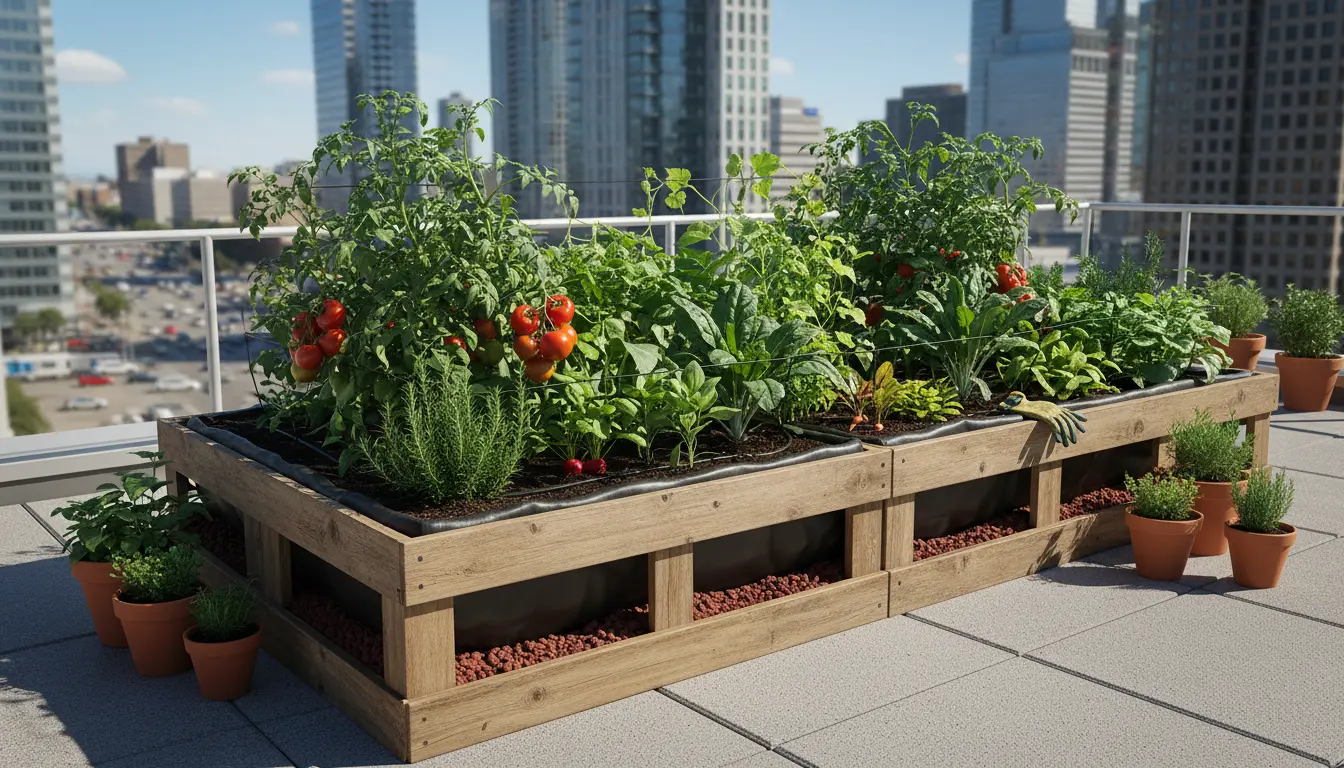
Starting a small vegetable garden is a practical way to grow fresh food at home, even with limited space. This guide walks through planning, soil, plant selection, and ongoing care in clear steps you can follow.
Planning Your Small Vegetable Garden
Good planning makes a small vegetable garden productive and low-maintenance. Start with location, size, and simple design choices before buying supplies.
Choose Location and Sun for a Small Vegetable Garden
Select a spot that gets at least 6 hours of direct sunlight for most vegetables. Observe the area over a few days to confirm sun patterns and note any shade or wind exposure.
Decide Size and Bed Type
Smaller gardens are easier to manage. Common options include containers, single raised beds, or a few in-ground rows.
- Containers: Good for balconies or patios. Use large pots 12–18 inches deep.
- Raised beds: Typical size 4×8 feet or 4×6 feet for easy reach from both sides.
- In-ground rows: Workable if you have soil space and good drainage.
Choose a layout that allows you to walk between beds and reach the center without stepping on soil. This preserves soil structure and simplifies maintenance.
Soil and Water for a Small Vegetable Garden
Soil and water are the foundation of productivity in a small vegetable garden. Invest time improving soil and planning watering before planting.
Soil Mix and Compost
For raised beds or containers, use a mix of topsoil, compost, and a light material like coconut coir or aged bark to improve drainage. Aim for a loose, crumbly texture that holds moisture but drains well.
Add 2–4 inches of compost to in-ground beds each season. Compost supplies nutrients and improves water retention without chemical fertilizers.
Irrigation Tips for a Small Vegetable Garden
Consistent moisture is more important than frequent watering. Use deep, infrequent watering to encourage strong roots.
- Soaker hoses or drip irrigation save water and reduce foliage wetness.
- Mulch with straw or shredded leaves to retain moisture and suppress weeds.
- Check soil moisture by feeling 2–3 inches below the surface; water when slightly dry.
Choosing Plants for a Small Vegetable Garden
Select plants that fit your space, climate, and cooking preferences. Prioritize high-yield, space-efficient crops if your area is small.
Best Plants for a Small Vegetable Garden
- Leafy greens: Lettuce, spinach, and Swiss chard grow quickly and can be harvested repeatedly.
- Compact tomatoes: Choose determinate or patio varieties for small beds.
- Root crops: Radishes and baby carrots mature fast and fit between larger plants.
- Beans and peas: Bush varieties save space compared with pole types.
- Herbs: Basil, parsley, and cilantro are efficient and useful in the kitchen.
Consider vertical supports for vining crops like peas and beans to use vertical space efficiently.
Companion Planting and Succession
Plant fast-maturing crops between slower ones to maximize yield. Use companion planting to deter pests and improve pollination.
- Example: Plant lettuce between tomato seedlings to harvest lettuce before tomatoes shade them.
- Succession planting: Sow new seeds every 2–3 weeks for continuous harvest.
Planting, Care, and Maintenance
Regular, simple tasks keep a small vegetable garden productive. A short weekly routine prevents problems from growing out of control.
- Weeding: Pull small weeds before they set seed to reduce annual work.
- Fertilizing: Use compost tea or balanced organic fertilizer mid-season for heavy feeders like tomatoes.
- Pest control: Handpick pests, use row covers, and encourage beneficial insects with flowering plants.
- Pruning: Remove damaged leaves and pinch tomato suckers if using indeterminate types.
Monitor plants for common issues like nutrient deficiency or fungal disease and address them early with cultural controls.
Harvesting and Season Extension
Harvest regularly to encourage continued production, especially for beans and leafy greens. Pick vegetables when they are young and tender for best flavor.
Extend your season with simple methods: use cold frames, row covers, or cloches to protect crops from early frost and cool nights.
A well-tended 4×8 foot raised bed can produce as much salad greens as a family of four for a summer when using succession planting and intensive spacing.
Case Study: 8 by 4 Foot Raised Bed
Maria, a beginner gardener, converted an 8×4 foot sunny corner into a raised bed. She filled it with a mix of topsoil and compost, mulched heavily, and installed a drip line.
Year 1 plan and results:
- Spring: Planted lettuce, radishes, and spinach in succession. Harvested salad greens weekly for 3 months.
- Early summer: Transplanted two determinate tomato plants and a row of bush beans. Tomatoes produced 10–15 lbs total, beans yielded multiple pickings.
- Outcome: The bed supplied fresh salads and several meals of tomatoes for a household of two, using about two hours of weekly maintenance.
This example shows that modest space, simple soil improvement, and regular care can deliver meaningful yields.
Quick Checklist to Start Your Small Vegetable Garden
- Choose a sunny location and measure available space.
- Decide bed type: containers, raised bed, or in-ground.
- Improve soil with compost and test drainage.
- Select compact, high-yield crops and plan succession planting.
- Set up simple irrigation and mulch to conserve water.
- Schedule weekly maintenance: weeding, watering, and pest checks.
With basic planning and consistent care, a small vegetable garden can provide fresh produce, save money, and make gardening approachable. Start small, observe, and expand as you gain confidence and experience.