
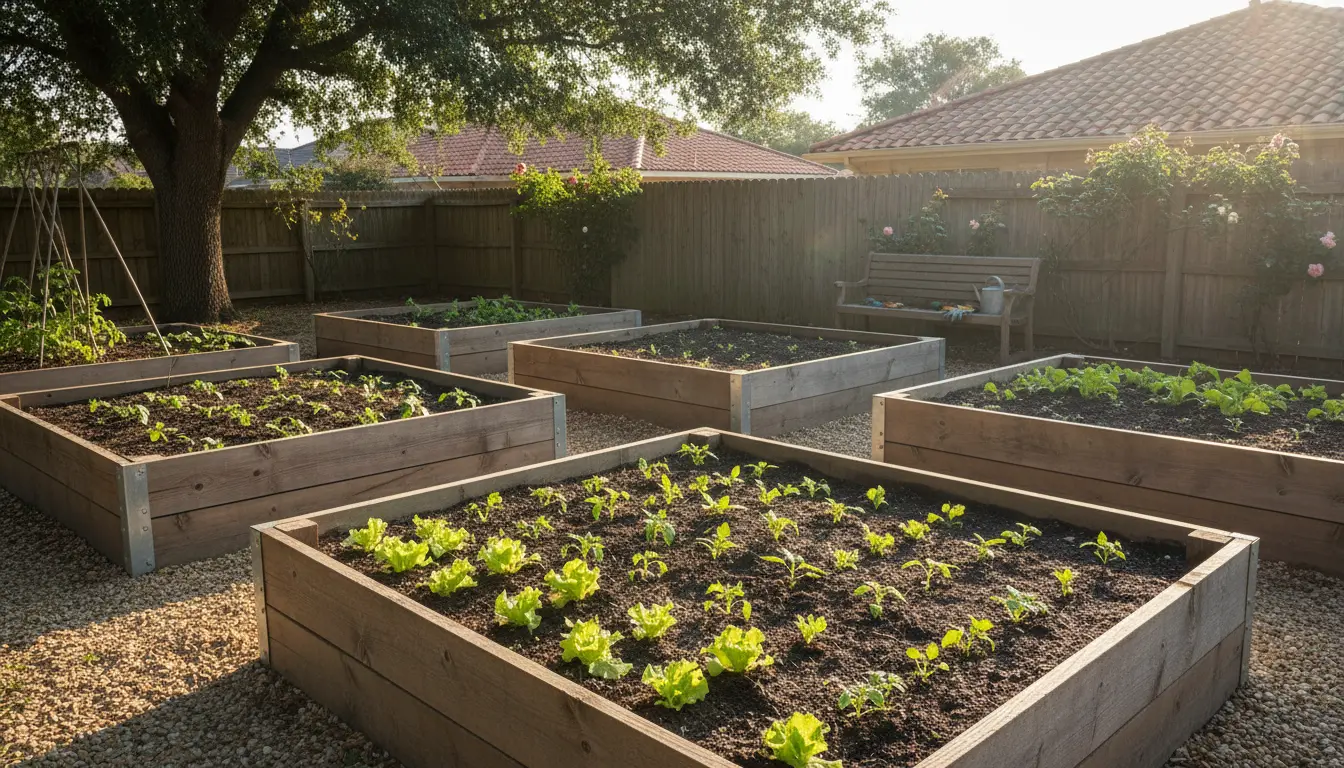
Why Choose a Small Vegetable Garden
Starting a small vegetable garden is practical for beginners and people with limited space. It delivers fresh produce, saves money, and improves well being with manageable effort.
Planning Your Small Vegetable Garden
Good planning reduces mistakes and keeps maintenance simple. Start by listing goals: fresh salads, herbs, or regular cooking vegetables.
Choose the Right Location for a Small Vegetable Garden
Pick a spot with at least 4–6 hours of sunlight per day for most vegetables. Consider proximity to water and convenience for daily care.
Decide Between Ground Beds and Containers
Raised beds concentrate soil and reduce weeds, while containers work well on patios and balconies. Match container size to the plants you want to grow; deeper roots need larger pots.
Soil and Preparation for a Small Vegetable Garden
Soil quality determines long-term success, even in containers. Aim for loose, well draining soil with good organic matter content.
Simple Soil Mix for Containers
Use a mix of compost, peat or coconut coir, and coarse sand or perlite for drainage. A common ratio is 40% compost, 40% coir, and 20% perlite.
Improving Ground Bed Soil
Work in 2–4 inches of compost before planting to boost nutrients and structure. Test pH if you plan long term and adjust only if necessary for specific crops.
Choosing Crops for a Small Vegetable Garden
Prioritize high-value, space-efficient plants like salad greens, radishes, herbs, and tomatoes. Choose varieties labeled compact, container, or bush to save space.
- Lettuce and spinach: quick harvest, multiple cuttings
- Radishes and carrots: fast root crops for small beds
- Herbs: basil, parsley, chives for continuous use
- Dwarf tomatoes and peppers: good yields in containers
Planting Schedule and Succession
Stagger plantings to keep supplies coming over weeks, not just a single harvest. Use a simple calendar to sow fast crops every 2–3 weeks during the season.
Example Succession Plan
Sow lettuce and radishes every two weeks for continuous harvests. Plant longer season crops like tomatoes early and start herbs indoors or buy seedlings.
Watering and Feeding a Small Vegetable Garden
Consistent moisture is more important than frequent shallow watering. Water deeply once or twice a week depending on weather and container size.
- Check soil: squeeze test for moisture 2 inches deep
- Mulch beds to reduce evaporation and suppress weeds
- Feed with balanced fertilizer every 3–4 weeks during growth
Pest and Disease Management in a Small Vegetable Garden
Prevention and early action are key to keeping problems small. Use physical barriers, hand removal, and companion planting before chemical options.
Practical Pest Controls
Inspect plants weekly and remove affected leaves promptly. Introduce beneficial insects, use row covers, and rotate crops seasonally.
Harvesting and Storing from a Small Vegetable Garden
Harvest early in the morning when produce is cool for best flavor and shelf life. Store leafy greens in a damp towel in the refrigerator and use root crops within a few weeks.
Small Real‑World Example: One-Patio Garden Case Study
María converted a 6×4 foot patio corner into a productive garden using three 4×2 foot raised beds and four 12-inch containers. She focused on lettuce, cherry tomatoes, basil, and radishes to fit her family needs.
By succession planting lettuce every two weeks and rotating radishes, María harvested fresh salad leaves twice a week and tomatoes through summer. Her input was about 30 minutes three times a week for watering, pruning, and harvesting.
Common Mistakes to Avoid in a Small Vegetable Garden
- Planting too many large varieties that crowd the space
- Overwatering shallow containers and causing root rot
- Neglecting soil fertility and skipping regular compost additions
Quick Checklist for Starting Today
- Choose a sunny spot and measure available square feet.
- Decide bed type: container or raised bed and prepare soil mix.
- Select 3–5 compact crop varieties you will use often.
- Create a simple watering schedule and set a planting calendar.
- Plan for pest checks and add mulch after planting.
With modest planning and consistent care, a small vegetable garden delivers fresh food and daily satisfaction. Start small, keep records of what works, and expand gradually as you gain confidence.