
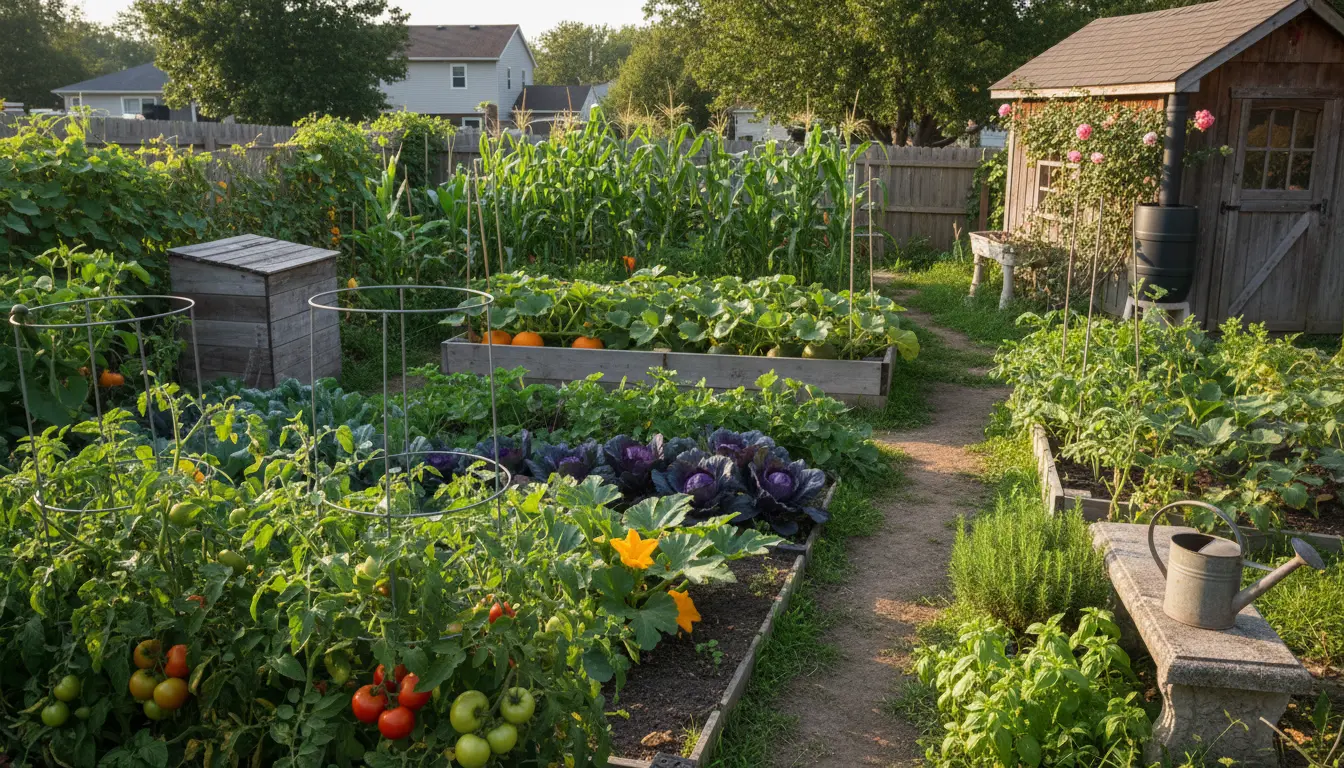
Planning How to Start a Vegetable Garden
Before you dig, decide what you want to grow and where. List vegetables you and your family eat regularly; focusing on a few crops increases success.
Check sunlight, water access, and space. Most vegetables need 6–8 hours of direct sun. Choose a flat spot with good drainage close to a water source.
Choose the Best Layout
Options include raised beds, in-ground rows, or container gardens. Raised beds warm earlier and drain well, while containers suit balconies or patios.
- Raised beds: good for small yards and poor soil
- In-ground: best for larger spaces with decent soil
- Containers: ideal for limited space or renters
Prepare Soil When You Start a Vegetable Garden
Healthy soil is the foundation. Test soil pH with a kit or send a sample to a local extension service. Most vegetables prefer pH 6.0–7.0.
Improve poor soil with organic matter. Add compost, well-rotted manure, or leaf mold to boost fertility and structure.
Simple Soil Preparation Steps
Follow these steps for best results before planting:
- Clear weeds and debris from the area.
- Loosen soil to 8–12 inches for in-ground beds.
- Mix in 2–3 inches of compost across the bed.
- Rake level and water to settle the soil.
Which Vegetables to Plant First
Start with easy, reliable crops. These give fast rewards and build confidence for new gardeners.
- Leafy greens: lettuce, spinach, chard
- Root vegetables: radishes, carrots, beets
- Quick fruiting: bush beans, cherry tomatoes
Consider Planting Times
Check your local last frost date. Cool-season crops go in early spring or fall, while warm-season crops wait until after frost.
Use seed packets and nursery labels as planting guides for depth and spacing.
Planting Techniques to Start a Vegetable Garden Right
Follow correct spacing, depth, and watering to reduce transplant shock and disease. Thinning seedlings prevents crowding and uneven growth.
Seed vs. Transplants
Direct-sow seeds for carrots, radishes, and beans. Use transplants for tomatoes, peppers, and broccoli to get a head start on the season.
Watering and Mulching
Consistent water is crucial for steady growth and even ripening. Aim for 1–1.5 inches of water per week, more in hot weather.
Mulch reduces weeds, retains moisture, and moderates soil temperature. Apply a 2–3 inch layer of straw, shredded leaves, or bark around plants.
Pest and Disease Basics
Start with prevention: rotate crops each year, keep beds clean, and choose disease-resistant varieties. Inspect plants weekly for pests and signs of disease.
Use these practical controls:
- Handpick large pests like slugs and caterpillars
- Use row covers for early-season protection
- Apply organic sprays (neem oil, insecticidal soap) when necessary
Maintenance and Harvesting
Regular tasks include weeding, staking tall plants, and pruning as needed. Harvest frequently to encourage more production, especially with leafy greens and beans.
Know harvest signs: tomatoes firm and colored, carrots reach expected size, lettuce has full heads or baby leaves at 30–40 days.
Adding a handful of compost around each tomato plant at planting can increase yields by improving water retention and nutrient supply.
Small Case Study: A Neighbor Who Started Small
Maria, a first-time gardener in Ohio, began with two 4×4 raised beds. She planted lettuce, radishes, and bush beans in her first season.
By following a weekly watering schedule and mulching, she harvested salad greens within six weeks. Her success came from choosing easy crops and improving soil with compost.
Lessons from the Case Study
- Start small to learn without overwhelming effort.
- Choose quick crops for early rewards and motivation.
- Soil improvement pays off in plant health and yields.
Seasonal Tips and Next Steps
Keep a simple garden journal to track planting dates, varieties, and results. Note what worked and what failed to refine choices next year.
Plan for succession planting to extend harvests: sow new lettuce or carrots every 2–3 weeks through the season.
Quick Checklist to Start a Vegetable Garden
- Choose sunny location and garden layout
- Test and amend soil with compost
- Select 3–6 beginner-friendly crops
- Plant at the correct time for your climate
- Water consistently and mulch to retain moisture
- Monitor pests and harvest regularly
Starting a vegetable garden is a series of small, repeatable steps. With planning, simple soil work, and steady care, you can grow reliable food even in a small space.