
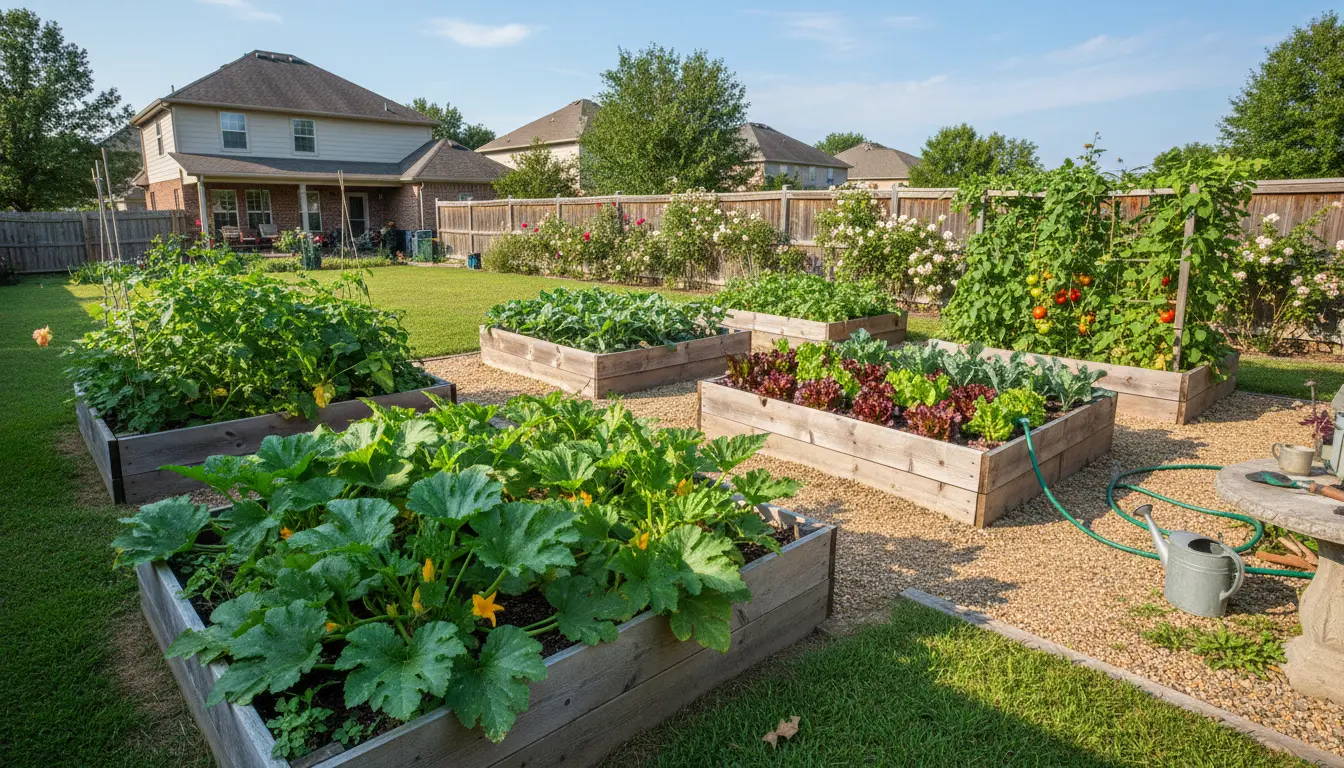
Overview: Why start a vegetable garden
Starting a vegetable garden gives you fresh produce, saves money, and connects you to the seasonal cycle. This guide walks through practical steps you can follow whether you have a small patio or a backyard plot.
Choose a site to start a vegetable garden
Pick a spot that gets at least 6 hours of direct sunlight for most vegetables. Consider access to water, soil slope, and proximity to the house for easy care.
Sunlight and space
Observe the area across a day to confirm light. If full sun is limited, focus on leafy greens and herbs that tolerate partial shade.
Containers, raised beds, or in-ground
Choose containers for balconies, raised beds for compact plots, or in-ground if you want larger yields. Each option changes soil needs and watering frequency.
Prepare soil and amend properly
Good soil is the foundation of a productive garden. Test basic pH and texture, then add organic matter to improve structure and fertility.
- Get a simple soil test kit or send a sample to a local extension.
- Add 2–4 inches of compost and mix into the top 6–8 inches of soil.
- Use well-draining mixes in containers with added compost and coconut coir or peat.
Compost and nutrients
Compost builds long-term fertility. For quick needs, apply a balanced organic fertilizer according to package directions and avoid overfeeding young plants.
Plan what to plant and when
Start with easy vegetables for beginners: tomatoes, peppers, lettuce, radishes, beans, and herbs. Match plant choices to your climate and growing season.
Succession planting
Stagger plantings to extend harvests. For example, sow lettuce every two weeks for a continuous supply rather than planting once.
- Spring crops: peas, spinach, radish.
- Summer crops: tomatoes, peppers, beans.
- Fall crops: kale, carrots, beets.
Planting techniques and spacing
Follow seed packet or plant label spacing to avoid overcrowding and disease. Thin seedlings early to ensure airflow and healthy root systems.
Use mulch to retain moisture and suppress weeds. Organic mulches like straw or shredded leaves also add nutrients as they break down.
Watering and maintenance
Consistent watering is crucial. Most vegetables prefer 1–1.5 inches of water per week, applied deeply rather than shallow frequent watering.
Practical watering tips
- Water at the base of plants to keep foliage dry and reduce disease.
- Use drip irrigation or soaker hoses for efficiency and time savings.
- Mulch to reduce evaporation and keep soil temperatures stable.
Pest and disease management
Start with cultural controls: crop rotation, proper spacing, and removing diseased plants. Monitor regularly to catch problems early.
Organic control options
- Handpick larger pests like caterpillars and slugs.
- Use row covers to protect seedlings from insects.
- Apply organic sprays like insecticidal soap or neem oil when necessary.
Planting marigolds near tomatoes can reduce certain nematodes and attract beneficial insects. Simple companion planting helps boost garden health without chemicals.
Harvesting and extending the season
Harvest vegetables when they reach recommended sizes for best flavor. Regular harvesting encourages more production, especially with plants like beans and zucchini.
Extending the growing season
Use row covers, cold frames, or a small greenhouse to protect crops from early frost and extend harvest months. Choose quick-maturing varieties for late starts.
Small real-world example
Case Study: A renter with a sunny 8×6 foot balcony started with three 24-inch containers and two 4×2 foot raised beds. In the first season they grew cherry tomatoes, basil, lettuce, and bush beans.
They used a consistent watering schedule with a soaker hose and added compost midseason. The result was weekly salads for the household and saved grocery trips during peak months.
Quick checklist to start a vegetable garden
- Choose a sunny site and decide container or bed.
- Test and amend soil with compost.
- Select easy vegetables for your climate.
- Plant at the right time and space correctly.
- Water deeply, mulch, and monitor pests.
Starting a vegetable garden is a step-by-step process. Focus on good soil, proper light, consistent water, and simple pest management to get reliable results in the first season.