
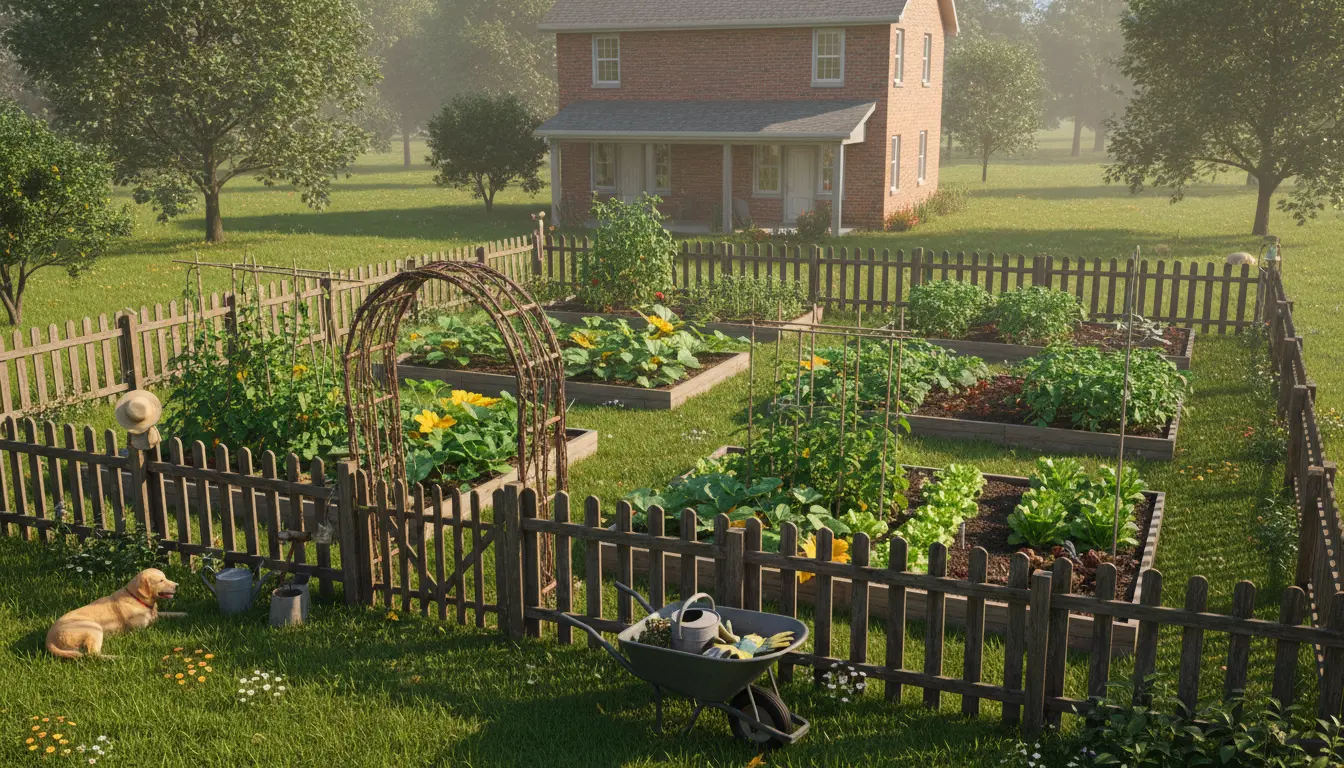
Overview: Why Start a Vegetable Garden
Starting a vegetable garden is a practical way to get fresher food, save money, and enjoy outdoor activity. This guide explains clear, actionable steps you can follow whether you have a small balcony, containers, or a backyard plot.
Plan Before You Start a Vegetable Garden
Good results begin with planning. Decide where to grow, what to plant, and how much time you can commit. Planning reduces wasted effort and helps you choose crops suited to your space and climate.
Choose a Location to Start a Vegetable Garden
Pick a spot that gets at least six hours of direct sunlight each day. Most vegetables prefer full sun. If sunlight is limited, choose shade-tolerant crops like leafy greens and herbs.
Decide on Garden Type
Choose between in-ground beds, raised beds, or containers. Each has pros and cons:
- In-ground: Lower cost, good for larger areas, requires soil testing.
- Raised beds: Better drainage, easier on the back, useful for poor native soil.
- Containers: Best for balconies and patios, limited root space but highly flexible.
Prepare Soil and Beds to Start a Vegetable Garden
Healthy soil is the foundation of a productive vegetable garden. Test and improve your soil before planting to ensure good yields.
Test and Amend Soil
Use a soil test kit or send a sample to a local extension service to check pH and nutrient levels. Most vegetables prefer slightly acidic to neutral soil (pH 6.0–7.0).
Amend soil with compost to improve structure and fertility. For heavy clay, add compost and coarse sand for drainage. For sandy soil, add organic matter to retain moisture.
Prepare Raised Beds or Containers
Fill raised beds with a mix of topsoil and compost, or use a commercial garden mix. For containers, choose pots with good drainage and a quality potting mix designed for vegetables.
Select Vegetables to Start a Vegetable Garden
Select plants based on your climate, season, and preferences. Start with easy, reliable crops if you are a beginner.
Easy Beginner Vegetables
- Tomatoes (staked or caged)
- Leafy greens (lettuce, spinach, Swiss chard)
- Radishes and carrots
- Beans and peas
- Herbs (basil, parsley, mint)
Follow seed packet instructions for planting depth and spacing. Consider starting some plants indoors if your growing season is short.
Planting and Early Care
Plant at the right time of year for your region. Water consistently, and mulch to retain moisture and suppress weeds.
Watering and Mulching
Water deeply and less frequently to encourage strong roots. Use 1–2 inches of mulch around plants to reduce evaporation and keep soil temperature steady.
Fertilizing and Pest Control
Use a balanced, slow-release fertilizer or organic options like compost tea. Monitor for pests and use integrated pest management: hand-pick, use row covers, or introduce beneficial insects before resorting to chemical controls.
Maintenance Routines to Keep the Garden Productive
Establish a weekly routine for weeding, checking soil moisture, pruning, and harvesting. Small, regular tasks prevent problems from growing out of control.
- Weed weekly to reduce competition for nutrients.
- Inspect plants for disease and remove affected leaves early.
- Rotate crops annually to reduce soil-borne disease.
Interplanting quick-growing crops like radishes with slower crops like tomatoes can increase total yield and reduce bare soil exposure.
Harvesting and Extending the Season
Harvest regularly to encourage more production. Use succession planting to get continuous harvests through the season. In cooler climates, extend the season with row covers or a cold frame.
Storage and Preservation
Plan how to use or preserve surplus: canning, freezing, drying, or sharing with neighbors. Proper storage increases the value of your harvest.
Small Case Study: A Beginner Who Started a Vegetable Garden
Anna, a first-time gardener, used a 4×8 raised bed in a sunny backyard to start a vegetable garden. She chose tomatoes, lettuce, and bush beans in spring and added herbs along the edge.
She amended the soil with compost, mulched heavily, and set a weekly 30-minute maintenance routine. In her first season she harvested salad greens every week and a steady supply of tomatoes by mid-summer. Her total cost was about $120 for soil, plants, and basic tools.
Key takeaways from her experience: start small, plan weekly tasks, and choose easy crops. This approach reduced overwhelm and led to steady success.
Quick Checklist to Start a Vegetable Garden
- Choose location with adequate sunlight
- Decide garden type: in-ground, raised bed, or containers
- Test and amend soil with compost
- Select beginner-friendly vegetables for your climate
- Set a weekly maintenance routine
- Harvest regularly and preserve surplus
Final Tips for New Gardeners
Keep records of what you plant and when you harvest. Note what works and what does not. Over time you will refine planting dates and crop choices for your microclimate.
Be patient and expect some failures. Gardening is iterative. Each season teaches new lessons that improve your results.