
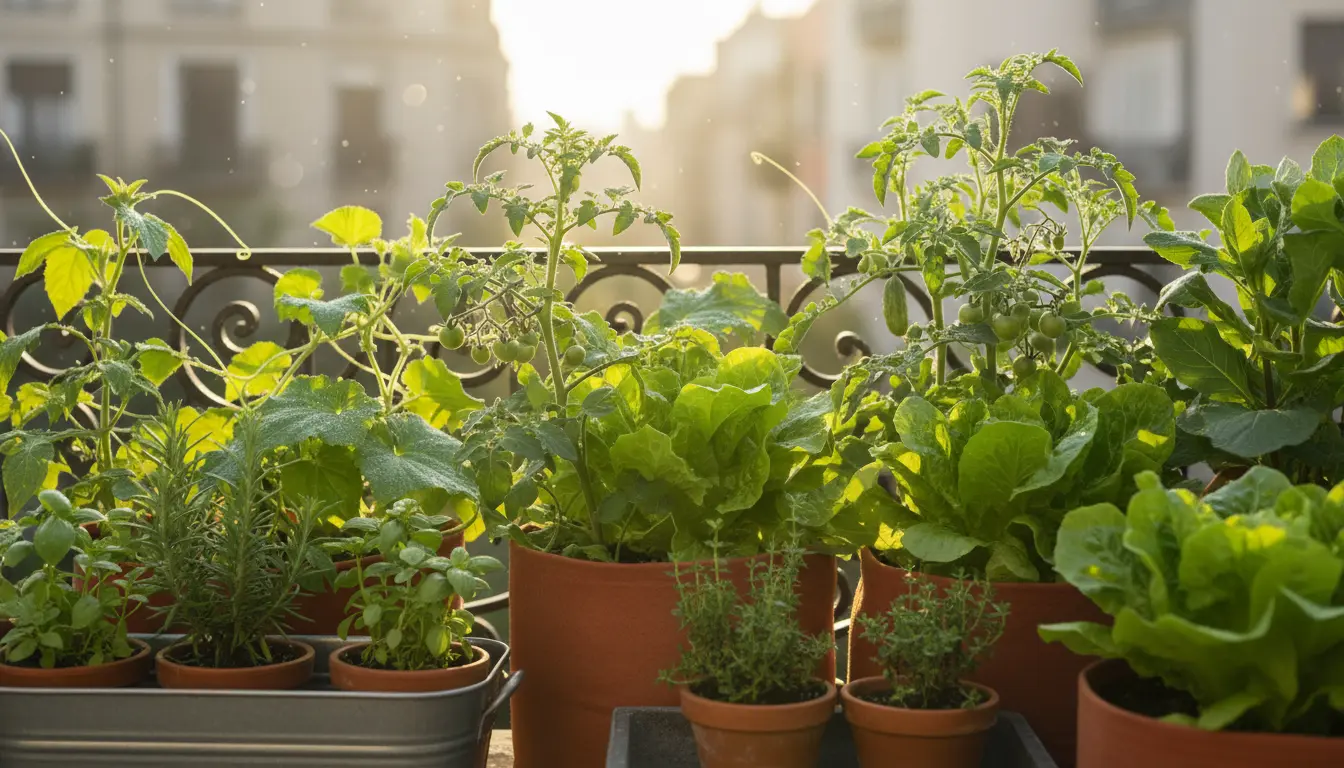
Starting a low cost home garden is a practical way to grow food, cut grocery bills, and enjoy fresh herbs and vegetables. This guide presents actionable steps you can use whether you have a backyard, balcony, or small windowsill.
Why choose a low cost home garden
A low cost home garden reduces expenses by using recycled materials, simple soil blends, and compact planting methods. It also lowers barriers: you do not need expensive tools or designer beds to get started.
Planning your low cost home garden
Good planning keeps costs down and improves yield. Focus on choices that match your space, sunlight, and time.
Choose the right location for a low cost home garden
Assess sunlight: most vegetables need 5–6 hours of direct sun. If direct sun is limited, select leafy greens and herbs instead.
Check access to water and protection from strong wind or pests. A visible garden gets more care and better results.
Select budget-friendly plants
Start with easy, high-value crops: lettuce, spinach, basil, parsley, cherry tomatoes, radishes, and green onions. Seeds are much cheaper than seedlings.
- Buy seeds: a packet can plant many crops.
- Choose fast-growing plants for quick reward.
- Grow from cuttings for herbs like mint and oregano.
Building beds and containers on a budget
Containers and raised beds can be low cost when you reuse materials. Focus on durability and drainage.
- Reused containers: buckets, wooden crates, and old planters.
- Build raised beds from pallet wood or reclaimed lumber.
- Use grow bags or fabric pots for good drainage at low cost.
Example container mix: drill drainage holes in a plastic tote, add coarse gravel at the bottom, then fill with soil mix.
Soil, compost, and low cost fertilizers
Healthy soil is the most important investment. You do not need store-bought soil for everything; blend your own to save money.
- Basic soil mix: 40% topsoil, 30% compost, 30% coconut coir or peat substitute.
- Start a compost bin with kitchen scraps and yard waste to produce free compost in a few months.
- Use inexpensive organic fertilizers: wood ash, banana peels, or diluted fish emulsion.
Watering and maintenance for a low cost home garden
Water smart to reduce waste and costs. Consistent, deep watering encourages stronger roots.
- Mulch to retain moisture: straw, shredded leaves, or wood chips.
- Collect rainwater in barrels to reduce tap water use.
- Water early morning or late evening to minimize evaporation.
Pest control and prevention on a budget
Prevention is cheaper than treatment. Simple measures reduce pest problems without expensive pesticides.
- Use physical barriers: netting or collars for seedlings.
- Encourage beneficial insects by planting marigolds, dill, or alyssum.
- Apply homemade sprays: soap and water for soft-bodied insects, or neem oil for broader control.
One packet of common vegetable seeds can produce dozens of meals over a season if sown and managed correctly.
Simple schedule for the first month
Follow a short schedule to build momentum and avoid overspending.
- Week 1: Plan layout, collect containers, order seeds.
- Week 2: Prepare soil mix and fill containers; start seeds indoors or direct-sow quick crops.
- Week 3: Transplant seedlings, mulch, and set up a watering routine.
- Week 4: Monitor pests, pinch herbs, and harvest earliest greens.
Small real-world example: Maria’s $50 balcony garden
Maria had a sunny 6 ft balcony and $50 to spend. She bought three seed packets (lettuce, basil, cherry tomatoes) for $6, potting mix from a bagging outlet for $20, and reused two large plastic bins and a wooden crate she already owned.
She made compost from kitchen scraps, used a reused watering can, and planted cuttings from a neighbor for oregano. By month two she had steady salads and herbs, cutting grocery trips and offsetting the small initial cost.
Tips to scale a low cost home garden
Once you have basics, scale by saving seeds, sharing cuttings, and swapping produce with neighbors. Small investments like a simple trellis can increase yields for climbing plants.
- Save seeds from mature plants for next season.
- Trade seedlings with local gardeners to increase variety.
- Add vertical supports for tomatoes and beans to multiply production per square foot.
Getting started
Begin with one or two containers, a simple soil mix, and a small selection of seeds. Track costs and yields to refine your low cost home garden over time.
A practical, patient approach delivers fresh produce and savings without a big upfront investment.