
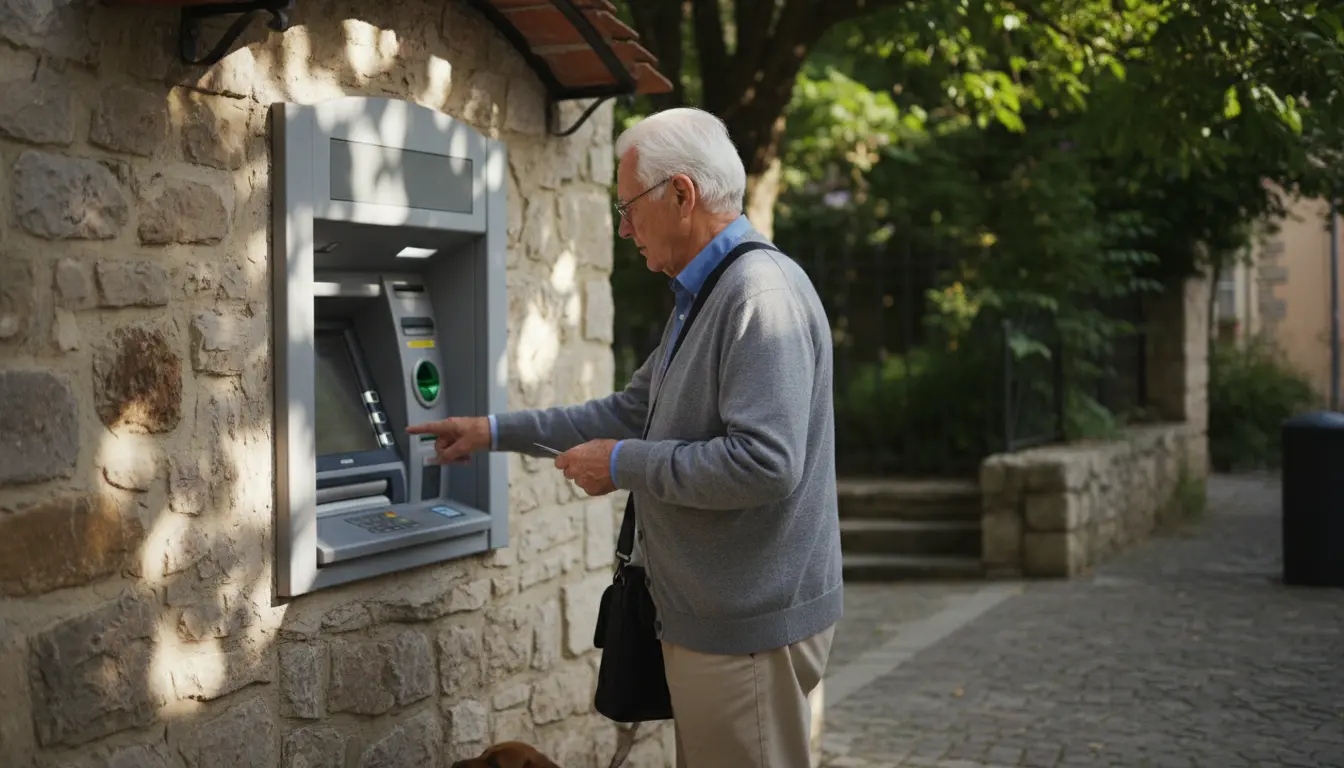
New ATM rules from 14 January: what over-60s need to know
New ATM rules taking effect on 14 January will change how some machines and banks handle withdrawals and identity checks. If you are over 60, a few simple steps now will help you avoid delays and keep access to cash.
Why this matters for over-60s
Banks routinely update security and access rules for ATMs. These updates can affect withdrawal limits, authentication options and how machines handle older cards.
Many people over 60 rely on cash or prefer using a card at an ATM. Preparing ahead reduces the risk of being unable to withdraw money when you need it.
Key actions to take before 14 January
Follow these practical steps in the coming weeks. Each one takes only a few minutes, and they work whether you bank online or prefer in-branch help.
- Check your contact details with your bank (phone number, email and address).
- Confirm your card is valid and not near expiry; order a replacement if it is.
- Practice your PIN and make sure you remember it—don’t write it on your card.
- Register or confirm mobile numbers for security alerts and one-time codes.
- Ask about alternative access if you struggle at ATMs (cash back, branch withdrawals, assisted services).
- Find out if your ATM requires contactless or mobile verification and how to set that up.
Document checks and ID
Some banks are increasing verification for larger withdrawals or for cards that have been inactive. You may be asked to confirm your identity more often.
If your bank asks for ID, common accepted items are a passport, driving licence or a government-issued ID card. If you don’t have these, ask your branch ahead of time what alternatives they accept.
How to update details and set up new features
Updating details is straightforward and can be done in three main ways: online, by phone, or in branch. Choose the method that feels easiest.
Online or mobile banking
Log in to your bank’s website or app. Look for settings or profile sections to update phone numbers and email addresses.
If you are not comfortable with online banking, many banks offer telephone support to complete these updates for you.
By phone or in branch
Call the customer service number on the back of your card or visit a local branch. Bring ID if you plan to update official details in person.
Staff can also show you any new ATM features and offer alternatives if you have mobility or dexterity issues.
Practical tips for using ATMs after 14 January
When you use an ATM after the rule change, follow these practical tips to avoid problems.
- Use familiar machines—your bank’s ATMs first—because they are less likely to block your card.
- Check for messages on the machine screen about new procedures before inserting your card.
- If a machine asks for a one-time code, have your phone ready and accept calls or texts from your bank.
- If you cannot complete a transaction, keep a note of the machine location and time, then contact your bank immediately.
Banks sometimes block cards for security reasons if contact details are out of date. Updating your phone number can prevent unnecessary holds on your account.
If you need help: options for over-60s
If the ATM rules make cash access harder for you, there are several options to consider.
- Ask a trusted family member to help update online settings or to accompany you to the branch.
- Use assisted branch services where staff complete transactions for you with your permission.
- Request alternatives such as higher cash-back limits at shops or scheduled branch cash withdrawals.
- Check if your bank offers a dedicated phone line for older customers or those with disabilities.
What to do if your card is blocked after 14 January
Contact your bank immediately using the emergency number on the back of your card or the bank’s website. Explain the situation and ask what verification is needed to restore access.
If you cannot reach your bank, visit a branch with ID and ask for help resolving the block on the same day.
Small real-world example
Case study: Joan, 72, noticed a message from her bank two weeks before 14 January. She called the bank, confirmed her phone number and ordered a replacement card because her current one expired in March.
On 15 January, Joan used her new card at her bank’s ATM without issue. Preparing ahead saved her a trip back to the branch and an unexpected blocked card.
Final checklist for over-60s before 14 January
Use this quick checklist to prepare in the days ahead.
- Confirm contact details with your bank.
- Replace an expiring card now.
- Register mobile number for security alerts.
- Know who to call if your card is blocked.
- Ask about assisted services if you need help at ATMs.
These steps are practical and quick. Taking them before 14 January will reduce the chance of surprises when using cash machines under the new rules.