
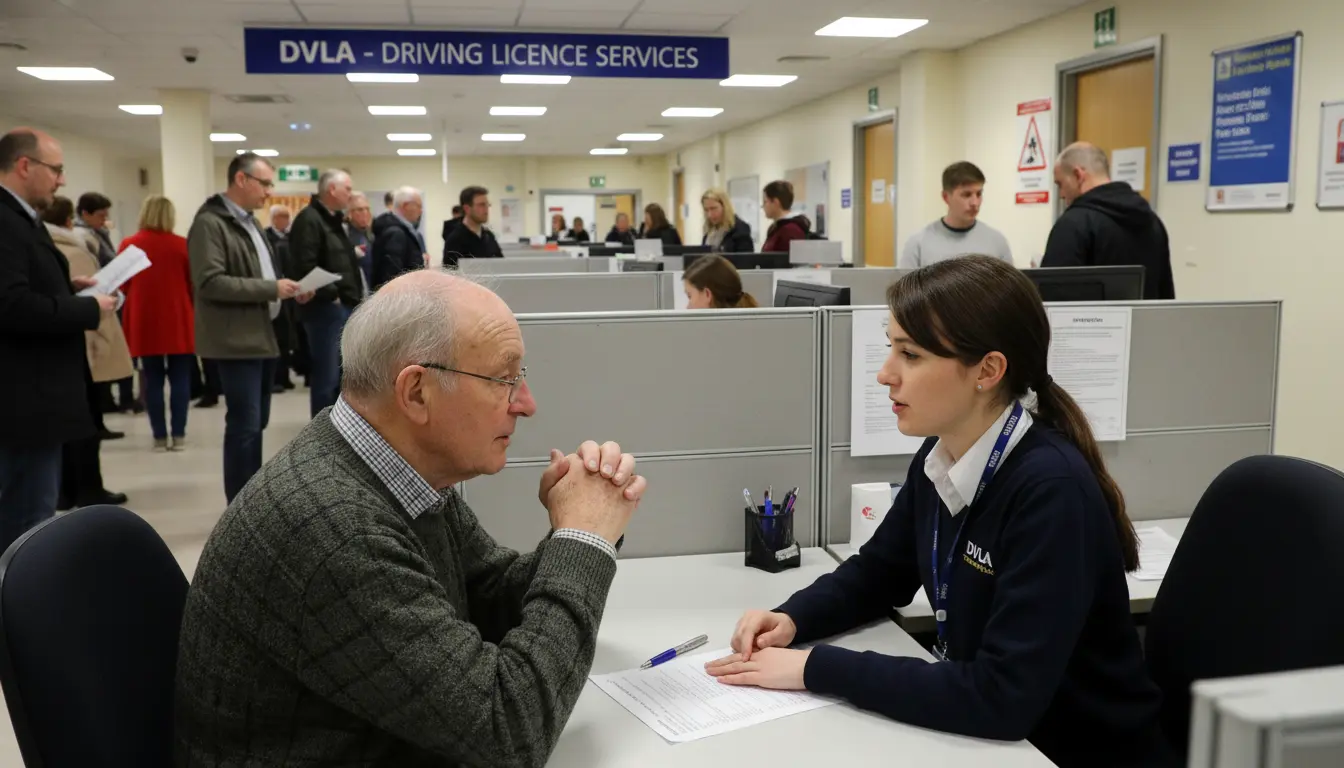
Overview of the new UK driving licence rules for over 65s
From March 2026 the UK will implement new rules for drivers aged 65 and older. The changes affect how often you must renew, what medical information is required, and how the Driver and Vehicle Licensing Agency (DVLA) assesses fitness to drive.
This article explains the key changes, what you must do to stay legal, and practical steps to prepare before March 2026.
Which drivers are affected by the new UK driving licence rules for over 65s
The rules apply to all UK driving licence holders aged 65 and over. This includes holders of standard category B licences (cars) and some other categories where the licence renewal rules are age-based.
If you are under 65 this guidance does not apply, but it may be useful if you will reach 65 soon.
When the changes take effect
The new rules take effect from March 2026. Dates and administrative details will be published by the DVLA, so check official DVLA communications for any small timing updates.
It is important to prepare in advance to avoid last-minute renewals or potential disruption to your driving entitlement.
Key changes at a glance
- Renewal interval: A change in the frequency of renewals for drivers aged 65 and over.
- Medical information: More detailed medical self-declaration and possible GP or specialist reports in some cases.
- Targeted assessments: Increased use of targeted eyesight and driving assessments where risk indicators appear.
- Simplified online options: Expanded online renewal and declaration processes for many applicants.
How to renew under the new UK driving licence rules for over 65s
Renewals will involve a short medical questionnaire. Most drivers without significant medical issues will complete the process online or by post with their normal fee.
If you have a medical condition that may affect driving, you must provide full details. The DVLA may request additional records or a GP report.
Step-by-step renewal process
- Check your renewal date and DVLA correspondence.
- Complete the online or postal renewal form and medical questionnaire.
- Provide requested medical reports if contacted by the DVLA.
- Attend an eyesight check or driving assessment if required.
- Receive the renewed licence or conditional restrictions if applied.
Medical checks and fitness to drive
Medical fitness has always been part of driving law. The updated system focuses on clearer guidance and earlier screening for conditions that commonly affect older drivers.
Common medical areas checked include eyesight, neurological conditions, significant cardiovascular disease, and cognitive decline.
What to expect if you have a medical condition
- The DVLA may ask for your GP or specialist report.
- You might be referred for an independent driving assessment or eyesight test.
- Some drivers may receive a licence with time-limited conditions or restrictions such as driving during daylight only.
Costs and fees under the new rules
Standard renewal fees remain comparable to current DVLA charges. Additional costs may arise if a medical report, specialist appointment, or practical driving assessment is required.
Check the official DVLA fee guidance for up-to-date costs before you start your renewal.
Practical steps to prepare before March 2026
- Review your existing licence and note the renewal date.
- Gather medical records if you have ongoing health conditions.
- Book an eyesight check with an optician before renewal time.
- Consider arranging a driving refresher session if you have concerns about confidence or road skills.
- Sign up for DVLA email or postal updates to receive official guidance promptly.
Real-world example
Margaret is 68 and lives in a small town. Her licence was due for renewal in April 2026 so she prepared early.
She booked an optician appointment to check her eyesight and downloaded a copy of her GP records concerning a recent heart check. When she completed the online form the DVLA asked for the GP report, which she provided electronically. Margaret received a standard five-year renewal with no restrictions and continued driving without interruption.
What happens if you disagree with a fitness decision
If the DVLA applies restrictions or refuses to renew, you will receive a written explanation and instructions on how to appeal. You can provide further medical evidence or request an independent assessment.
Ask your GP or a specialist to supply clear, dated reports that directly address the DVLA’s concerns to support any appeal.
Many drivers aged over 65 renew without restriction if they keep routine health checks up to date and tell the DVLA about relevant medical changes promptly.
Tips for family members and carers
Family members can help by reminding older drivers about renewal dates and assisting with online forms. Collecting medical documents in advance speeds up the process when the DVLA requests evidence.
Be supportive and practical: offer to accompany someone to an optician or driving assessment if they feel anxious about the process.
Where to get official information
Always use the DVLA website or contact DVLA customer services for the most accurate and current instructions. Official guidance will list required forms, fees, and where to send medical reports.
Local councils and charities for older people also provide practical support and information about driving assessments and refresher courses.
Summary: staying ready for March 2026
The new UK driving licence rules for over 65s coming in March 2026 focus on clearer medical checks and streamlined renewals. Advance preparation reduces delays and the risk of temporary loss of licence.
Check your renewal date, get a recent eyesight check, keep medical records handy, and read official DVLA guidance so you can renew smoothly when the time comes.