
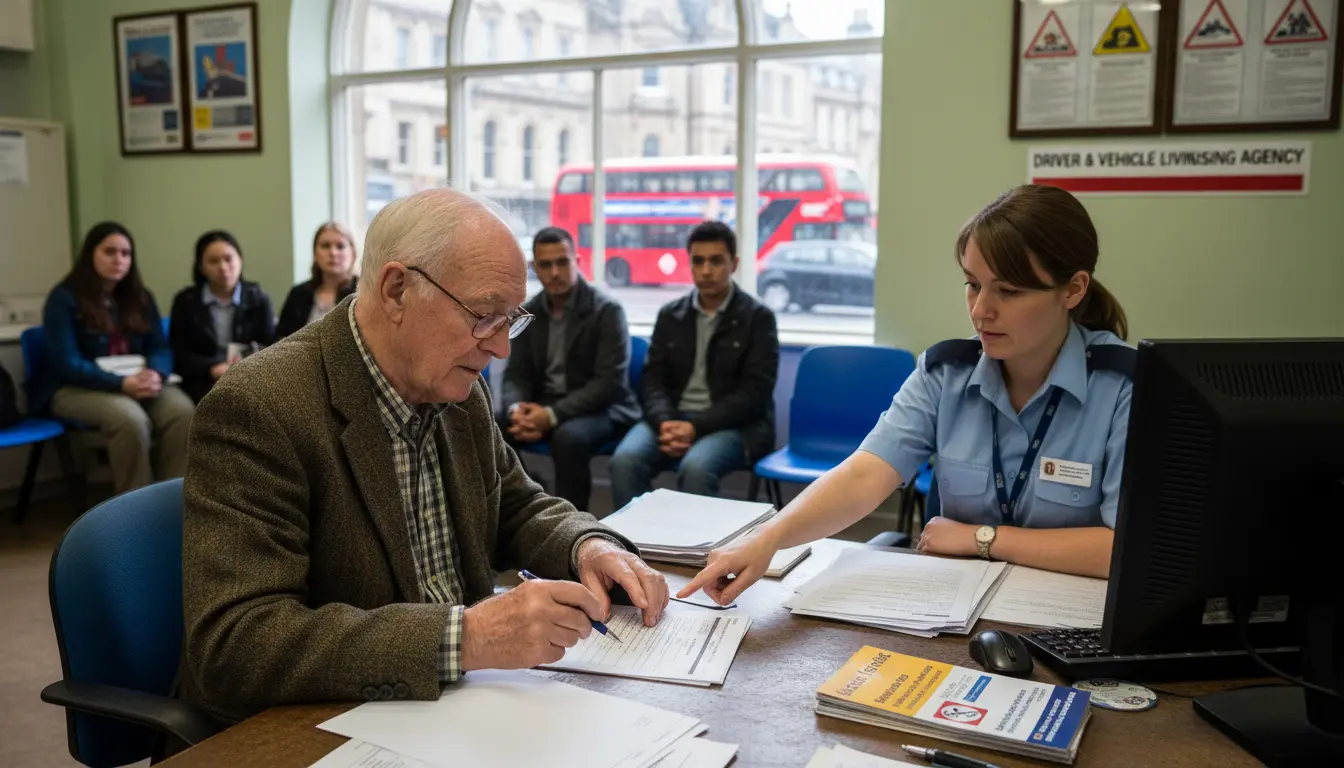
From March 2026 the UK introduces new procedures for drivers aged 65 and over. This guide explains what changes, who is affected, and practical steps to keep your licence valid and your driving legal.
What is changing for over 65s from March 2026
The main change is a revised renewal and medical reporting process for drivers aged 65 and older. The DVLA is updating rules to improve road safety and ensure licences reflect current fitness to drive.
Changes include a clearer medical questionnaire, updated timelines for renewals, and greater emphasis on reporting certain health conditions early.
Who must follow the new rules
All UK drivers aged 65 and over who hold a full driving licence must follow the new rules. This applies to both car (category B) and motorcycle riders if they hold the relevant entitlement.
If you are approaching 65, expect renewal prompts and guidance from the DVLA ahead of your first post-65 renewal date.
When the new rules take effect
The rules start in March 2026. Renewals, medical checks, and any changes reported from that date will follow the new process. Existing medical conditions that already require reporting still need to be declared at renewal.
How to renew a UK driving licence over 65 from March 2026
The DVLA will continue to accept online renewals for most drivers, with a paper option for those who cannot apply online. The steps remain simple:
- Receive renewal reminder from the DVLA or check your licence expiry date.
- Complete the online or paper renewal form and answer the medical questions accurately.
- Provide supporting documents if requested, such as GP reports or specialist letters.
- Pay any renewal fee and wait for your new photocard licence to arrive by post.
Processing times may vary, so apply early—ideally a month before your licence expiry.
Online versus paper renewal
Online renewal is usually faster and will guide you through the medical screening questions. The paper form will still be available for people who cannot use the internet or who prefer a physical form.
Medical checks and fitness to drive
The updated medical questionnaire focuses on conditions that affect vision, movement, awareness, and consciousness. You must answer honestly; incorrect answers can lead to penalties or invalid insurance.
Common medical conditions considered
- Stroke or transient ischaemic attack (TIA)
- Seizures or epilepsy
- Significant memory or cognitive decline
- Severe cardiac events or loss of consciousness
- Significant vision loss not correctable with glasses
If you have one of these conditions, the DVLA may ask for a medical report from your GP or a specialist before renewing your licence.
Costs, documents and timelines
There is usually a small fee for licence renewal, payable online or by post. If the DVLA requests a medical report, there may be additional costs for GP or specialist letters.
Typical timeline: apply up to one month before expiry, allow 2–4 weeks for standard processing, longer if medical reports are required.
Practical steps and tips for over 65s
Prepare the following when you renew:
- Current photocard driving licence
- National Insurance number (if asked)
- Details of any medical conditions and dates of diagnosis
- GP or specialist contact details for potential reports
Tips to avoid delays: keep medical records up to date, respond quickly to DVLA requests, and book any GP appointments early.
From March 2026, the DVLA will use a clearer online questionnaire to speed up renewal decisions for over 65s, reducing unnecessary GP referrals in many cases.
Case study: Margaret, 68 — a real-world example
Margaret, 68, renewed her licence in April 2026 under the new rules. She has controlled high blood pressure and mild glaucoma that she manages with drops.
She applied online, answered the updated medical questions truthfully, and uploaded her recent optician report when requested. The DVLA processed her renewal in three weeks and issued a new photocard without requiring a GP letter.
Margaret’s experience shows how being prepared with up-to-date medical records can speed up the process.
What happens if your licence is refused or revoked
If the DVLA refuses renewal or revokes a licence, they will explain why and what evidence is needed to appeal or reapply. You must stop driving if told to do so until the matter is resolved.
Appeals or requests for review can take time, so consider alternative transport options while waiting.
Key checklist before you apply
- Check your licence expiry date and renew early
- Review and update medical records relevant to driving
- Decide whether to apply online or by paper
- Have contact details for your GP and any specialists ready
- Keep a copy of all communications with the DVLA
The March 2026 changes are designed to make renewal clearer and more consistent for older drivers. By preparing records, answering medical questions honestly, and applying early, most over-65 drivers will complete renewal without difficulty.
If you are unsure about how a medical condition affects your licence, contact your GP or the DVLA advice service for guidance before applying.