
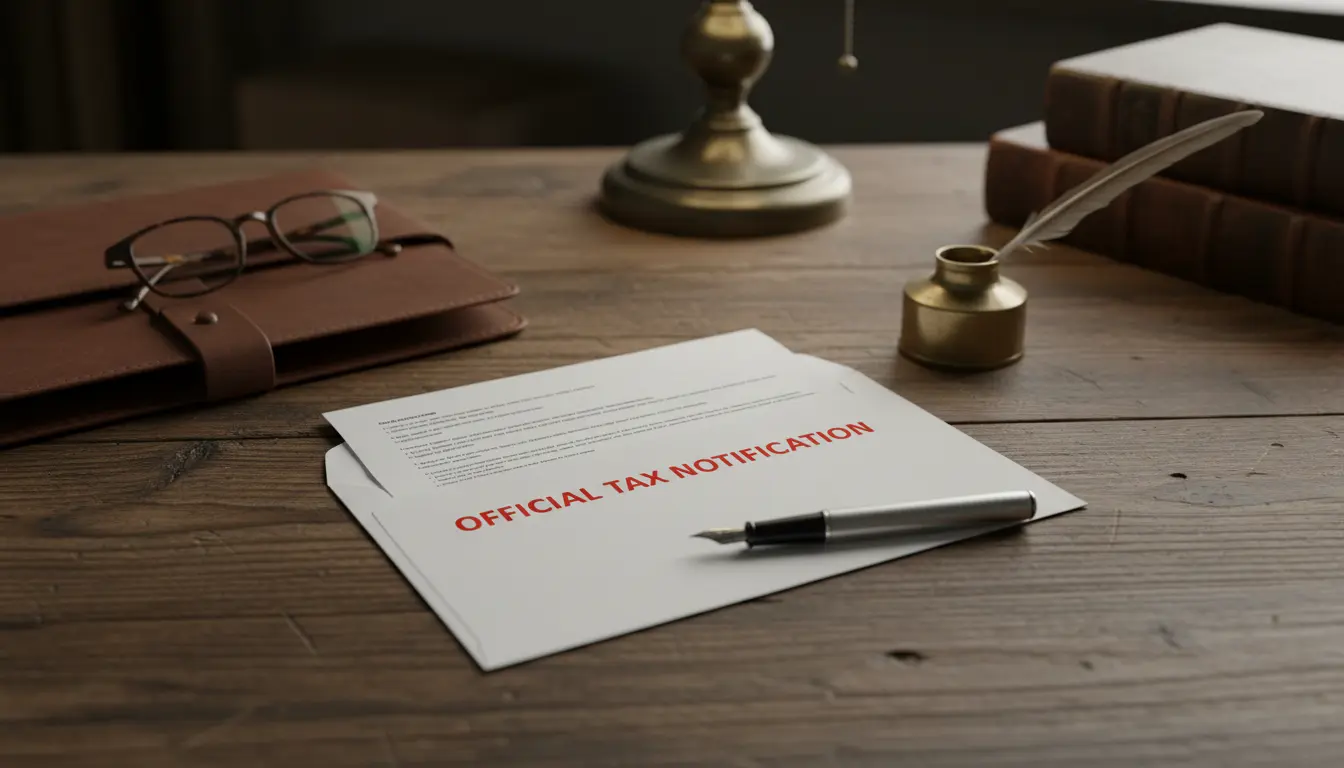
HMRC has been sending letters to thousands of savers after identifying accounts with savings or interest above £4,000. If you received a letter, it is usually a prompt to check whether the interest on your savings has been taxed correctly.
What the HMRC letters mean for savings above £4,000
The letters are generally triggered when HMRC’s data from banks or providers shows interest or savings balances above a set level. This does not always mean you owe tax, but HMRC wants to make sure your tax record matches the income your bank reported.
Common reasons for receiving a letter include incorrect tax codes, unreported interest, or eligibility for relief that has not been claimed.
Which accounts can trigger a letter
Any account that pays interest or shows significant balances can be involved. Typical examples are regular savings accounts, fixed-term accounts, and joint accounts.
ISAs are tax-free and normally will not trigger an investigation for interest, but non-ISA savings can.
How to check the HMRC letter is genuine
Before taking action, confirm the letter is real. Genuine HMRC letters will include a reference number and contact details. They will also direct you to GOV.UK for forms and guidance rather than asking for bank details in an email.
- Check the sender: a GOV.UK address or the official HMRC correspondence style is a good sign.
- Look for your unique reference number and the document code printed on the letter.
- If in doubt, contact HMRC using the phone number on GOV.UK — do not call numbers supplied in suspect emails or texts.
How to respond to an HMRC letter about savings above £4,000
Respond promptly and gather the paperwork the letter asks for. Acting early can prevent penalties and make any corrections simpler.
Key steps to follow:
- Read the letter carefully and note any deadlines.
- Collect bank statements, interest vouchers, P60s or payslips that show tax already paid.
- Log into your Personal Tax Account on GOV.UK to check if HMRC shows the same figures.
- Complete any forms requested (for example, a short form response or a Self Assessment) and submit by the deadline.
If you think HMRC is wrong
If you dispute the figures, prepare supporting documents showing the correct amounts. Explain clearly why the reported interest is incorrect — for example, tax already withheld by the bank or an ISA wrapper.
HMRC usually accepts clear evidence and will update your record without penalty if the error is genuine and you act quickly.
Possible outcomes after replying
After you respond, a few outcomes are possible. You might be told you owe additional tax, be due a small refund, or have no further action required.
- No tax change: HMRC confirms your records match and no action is needed.
- You owe tax: HMRC will explain how much and how to pay, including any time-to-pay options.
- You receive a refund: if too much tax was taken from your interest, HMRC will 안내 you on reclaiming it.
Documents to have ready if you receive a letter
Having the right documents speeds up the process and reduces stress.
- Bank and building society statements showing interest credited.
- Interest vouchers or annual summaries from your provider.
- P60 or payslips if you pay tax through PAYE.
- Details of ISAs or other tax-free wrappers.
When to seek professional help
For straightforward cases many people can handle the reply themselves. Consider an accountant or tax adviser if the amounts are large, your situation is complex, or you are unsure how to complete a Self Assessment.
Tax advisers can negotiate time-to-pay arrangements and represent you if an appeal is needed.
Practical tips to avoid future letters
Keeping records tidy and reviewing your tax code and statements each year reduces surprises.
- Check tax codes on your payslip or P60 every tax year.
- Move savings into an ISA if you want interest to be tax-free and you are eligible.
- Use HMRC’s Personal Tax Account to check reported income and update details.
Simple preventive actions
Set up a yearly reminder to download interest summaries from banks and compare them with HMRC records. If you spot discrepancies early, a quick correction is easier.
Case study: One saver’s experience
Janet, a retiree, received an HMRC letter after her joint savings account showed interest above £4,000 in one year. She gathered statements and an interest summary from her bank and logged into her Personal Tax Account.
Janet discovered her bank had paid gross interest to the joint account and no tax had been deducted at source. She completed the form HMRC requested and paid a small amount of additional tax through the GOV.UK payment page. The issue was resolved within six weeks and she received confirmation by post.
Receiving a letter from HMRC about savings above £4,000 can be worrying, but most cases are straightforward. Verify the letter, collect evidence, and respond within the deadline. If needed, get professional advice to avoid mistakes and unnecessary penalties.
If you are unsure what to do next, visit GOV.UK or contact HMRC directly using the contact details on the official site.