
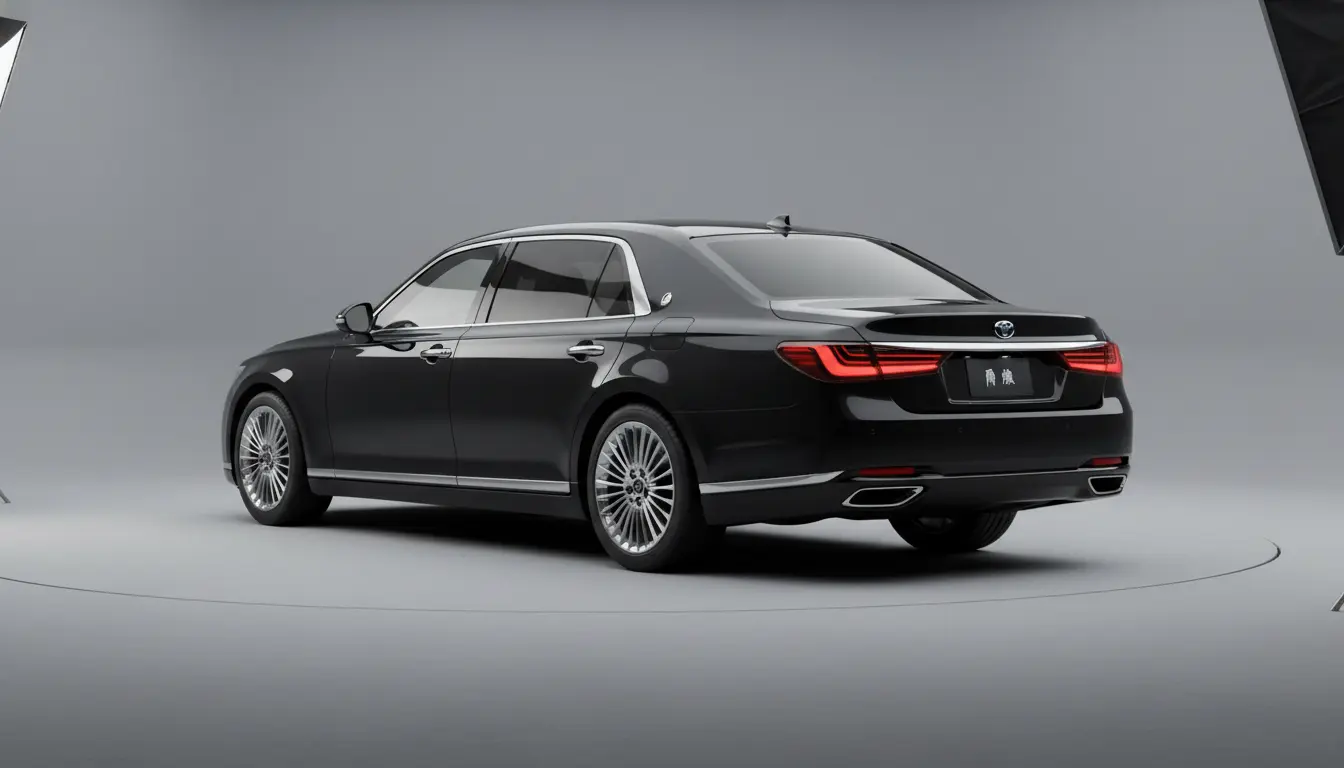
The Toyota Century 2026 is presented as Toyota’s latest flagship, emphasizing handcrafted detail, extreme acoustic refinement, and executive presence. This article explains what sets the Century apart and offers practical guidance for buyers and fleet managers.
What is the Toyota Century 2026?
The Toyota Century 2026 is a low-volume flagship sedan built to serve owners who value discretion, craftsmanship, and a commanding presence. Toyota positions it above the Lexus brand as a symbol of national and corporate prestige.
Key priorities for this model are interior refinement, near-silent cabin experience, and meticulous hand assembly. Understanding these priorities helps when evaluating ownership cost and real-world use.
Toyota Century 2026 hand-built luxury and craftsmanship
Hand-built construction is central to the Century’s appeal. Skilled technicians assemble and finish critical components by hand, which reduces variability and increases perceived quality.
Common hand-crafted elements include wood veneers, leather trim, stitched headliners, and precisely fitted panels. These elements are inspected more rigorously than on mass-produced cars.
Materials and interior layout in the Toyota Century 2026
Expect traditional premium materials combined with modern acoustic treatments. The cabin typically uses carefully selected wood, premium hides, and fabric options tailored for comfort and sound absorption.
Rear-seat comfort is a focus: long wheelbase layouts, reclining seats, and integrated controls for climate and entertainment are typical features that prioritize passenger experience.
Absolute silence: NVH engineering in the Toyota Century 2026
Noise, vibration, and harshness (NVH) engineering defines much of the Century’s refinement. Toyota applies multiple layers of insulation and isolation to create a near-silent cabin even at highway speeds.
Silence is achieved through combinations of structural design, active systems, and material choices rather than a single technology.
How Toyota reduces noise in the Century
- Multi-layer glazing and acoustic laminated glass to cut wind and road noise.
- Isolated body mounts and tuned suspension bushings to reduce transmitted vibration.
- Extensive door seals, underbody insulation, and wheel-arch liners to block external sound.
- Active noise cancellation and tuned cabin resonance control for low-frequency reduction.
Performance, powertrain, and flagship presence
The Century’s powertrain is engineered for smooth, refined performance rather than outright sportiness. Toyota generally pairs luxury flagships with hybrid or low-vibration internal-combustion setups to balance performance and quiet operation.
Ride quality and chassis tuning emphasize comfort over handling extremes. The overall presence is achieved by proportions, a restrained exterior design, and visual cues that convey authority.
Practical driving characteristics
- Calm, linear acceleration with minimal drivetrain noise.
- Suspension tuned for consistent isolation over uneven surfaces.
- Steering that favors stability and a planted feel at speed.
Ownership considerations for the Toyota Century 2026
Owning a hand-built flagship involves specific practical considerations. Maintenance, parts sourcing, and customization options differ from mainstream models.
Key items to evaluate include warranty coverage for hand-finished elements, availability of trained technicians, and long-term parts support.
- Service network: Confirm authorized service centers with Century-trained technicians.
- Maintenance cost: Expect higher labor and parts cost for bespoke components and finishes.
- Resale and rarity: Low production volumes can stabilize or increase residual values but may limit buyer pools.
Real-world example: corporate shuttle conversion
A mid-size Japanese firm converted two Toyota Century 2026 units into executive shuttles for board members. The cars are used daily for short city transfers and occasional long-distance trips to airports.
Outcomes from six months in service showed improved client impressions during visits and no major mechanical issues. Maintenance downtime was slightly higher due to scheduled detailing and specialized servicing, but employee feedback rated ride comfort and cabin quietness very highly.
The Century nameplate dates back to the late 1960s and was originally intended to celebrate Toyota’s 100th automotive year of influence. It has long been associated with hand-built craftsmanship and official use.
Buying checklist for the Toyota Century 2026
Use this checklist to evaluate a Century before purchase or fleet acquisition. It focuses on practical, ownership-centred questions.
- Confirm the level of hand-built finishing and available factory options.
- Verify local service centers and training for Century-specific repairs.
- Ask about soundproofing layers and active NVH systems installed from factory.
- Request a long highway test to judge low-frequency noise and ride isolation.
- Review warranty terms for bespoke materials and interior workmanship.
Summary: Is the Toyota Century 2026 right for you?
The Toyota Century 2026 is designed for buyers who value artisanal build quality, acoustic comfort, and an understated flagship aesthetic. It is less about performance extremes and more about a composed, dignified driving and riding experience.
If your priorities include ultimate cabin quiet, handcrafted materials, and a prestigious presence, the Century remains a practical option provided you plan for specialized maintenance and limited production realities.