
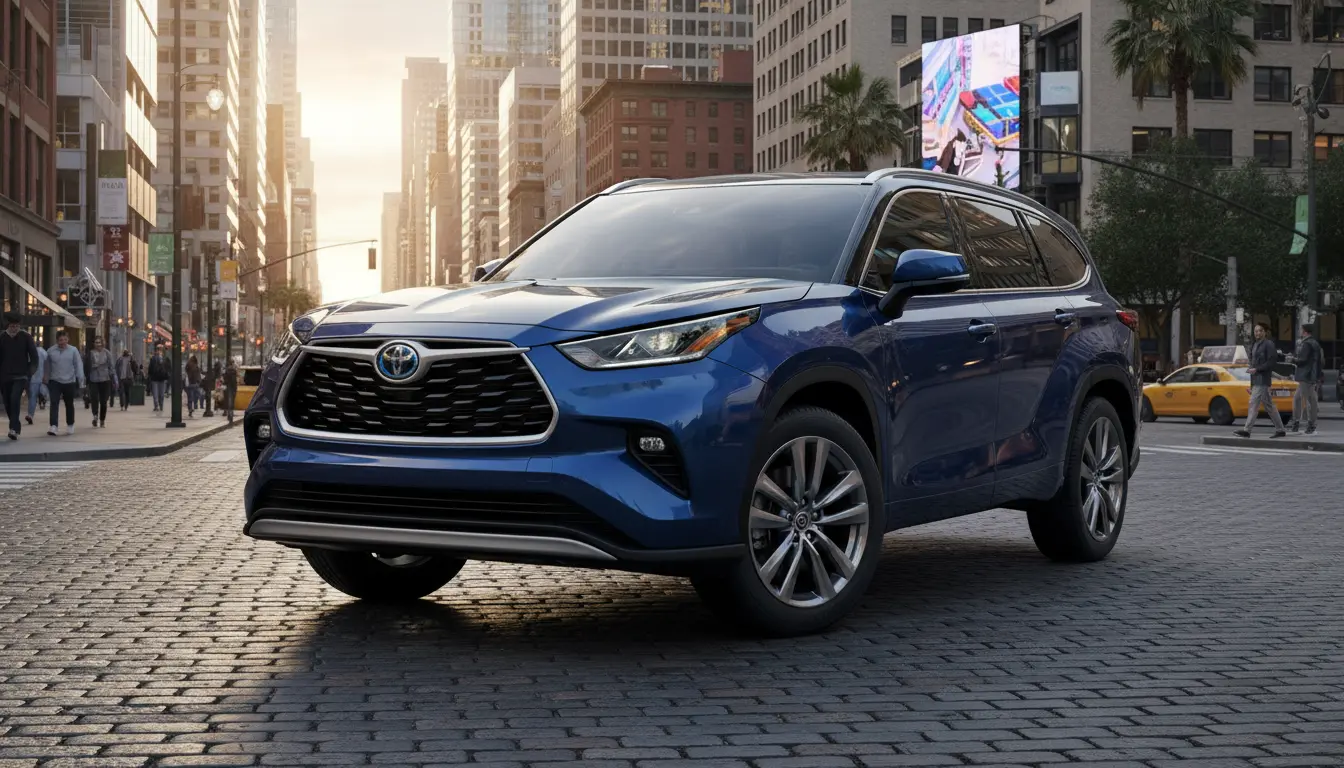
Toyota SUV 2026 Overview
The Toyota SUV 2026 arrives as a practical choice for buyers who want modern design, strong performance, and reasonable cost. This article breaks down the engine options, styling, pricing, and ownership considerations to help you evaluate the model.
Toyota SUV 2026: Engine and Performance
The 2026 Toyota SUV offers multiple powertrains aimed at balancing power, fuel economy, and cost. The headline engine is a newly tuned 2.5-liter turbocharged four-cylinder that produces competitive horsepower and torque for its segment.
Drivers can expect smooth acceleration in daily driving and confident passing on highways. Toyota also offers a hybrid variant that boosts fuel economy while maintaining usable power for family and commuter needs.
Toyota SUV 2026 Engine Options
- 2.5L Turbocharged I4 — Primary gasoline option, tuned for mid-range torque and highway efficiency.
- 2.5L Hybrid — Combines the gasoline engine with an electric motor for improved MPG and lower running costs.
- All-wheel-drive available — Adds traction for wet roads and light off-road routes; electronic torque management included.
Real-World Performance Figures
Official numbers vary by trim, but estimated combined fuel economy is competitive: around mid-30s MPG for the hybrid and low-20s for the turbo gas model. Towing capacity and load limits are improved over the prior generation, making the SUV more versatile for weekend tasks.
Toyota SUV 2026 Design and Interior
The exterior design moves toward contemporary, clean lines with a refined front fascia and slimmer lighting elements. The result is a modern look that fits urban and suburban buyers who want a fresh but restrained style.
Inside, Toyota focuses on user-friendly layouts and durable materials. Controls are logically placed, with a larger infotainment screen standard on most trims and intuitive physical buttons for climate controls.
Practical Interior Features
- Spacious cabin — Ample legroom and headroom in both rows for adults.
- Flexible cargo area — Fold-flat rear seats and low liftover height for easier loading.
- Connectivity — Wireless Apple CarPlay and Android Auto standard on many trims.
- Safety tech — Standard suite includes adaptive cruise, lane-keep assist, and automatic emergency braking.
Toyota SUV 2026 Price and Value for Buyers
Toyota positions the 2026 SUV to be budget-friendly without cutting essential features. Base pricing targets price-conscious buyers, while mid and upper trims offer desirable tech and comfort upgrades for modest incremental cost.
Estimated MSRP ranges depend on powertrain and options. The hybrid trims cost more upfront but may save money over time with lower fuel consumption and favorable resale values typical of Toyota hybrids.
What Buyers Should Consider
- Trim selection — Choose the trim level that fits your daily needs; higher trims add tech and driver assists but raise monthly payments.
- Hybrid vs Gasoline — Calculate expected annual fuel use to see if hybrid premium pays back over a typical ownership period.
- Optional packages — Prioritize safety and convenience packages for long-term value and comfort.
Ownership Costs and Practical Tips
Assess total cost of ownership, not just the sticker price. Insurance, fuel, scheduled maintenance, and expected depreciation are key factors that determine which trim gives you the best value.
For buyers focused on lower monthly costs, consider certified pre-owned options when the 2026 model reaches the used market. Leasing is another route for predictable monthly payments and access to higher trims at lower immediate cost.
Maintenance and Warranty
- Standard warranty coverage follows Toyota’s typical plans; extended warranties available from dealers and third parties.
- Routine maintenance intervals are predictable and supported by a wide dealer network.
- Hybrid components usually include longer or separate coverage terms; check exact warranties for the hybrid powertrain before purchase.
Case Study: Family Buyer Chooses the Toyota SUV 2026 Hybrid
Background: A two-parent household with one child needed a daily commuter and weekend family vehicle. They drive roughly 15,000 miles per year with a mix of city and highway trips.
Decision: They chose the hybrid trim because of its fuel economy and standard safety features. The family valued lower fuel costs and modern infotainment for navigation and child entertainment on trips.
Outcome: After the first year, their fuel spending dropped by about 30% compared with their previous non-hybrid SUV. They reported high satisfaction with cabin space and found resale prospects favorable when comparing similar Toyotas on resale sites.
Final Practical Advice for Prospective Buyers
Test drive both the turbocharged and hybrid versions to compare acceleration, braking feel, and cabin comfort. Pay attention to visibility and seat comfort for daily driving.
Get a detailed out-the-door price quote and compare total ownership costs for at least three years. If you plan to keep the SUV long term, factor resale expectations and fuel savings into your decision.
In short, the Toyota SUV 2026 offers a balanced mix of performance, modern design, and accessible pricing. Prioritize the features you use most and choose the powertrain that fits your driving pattern for the best long-term value.