
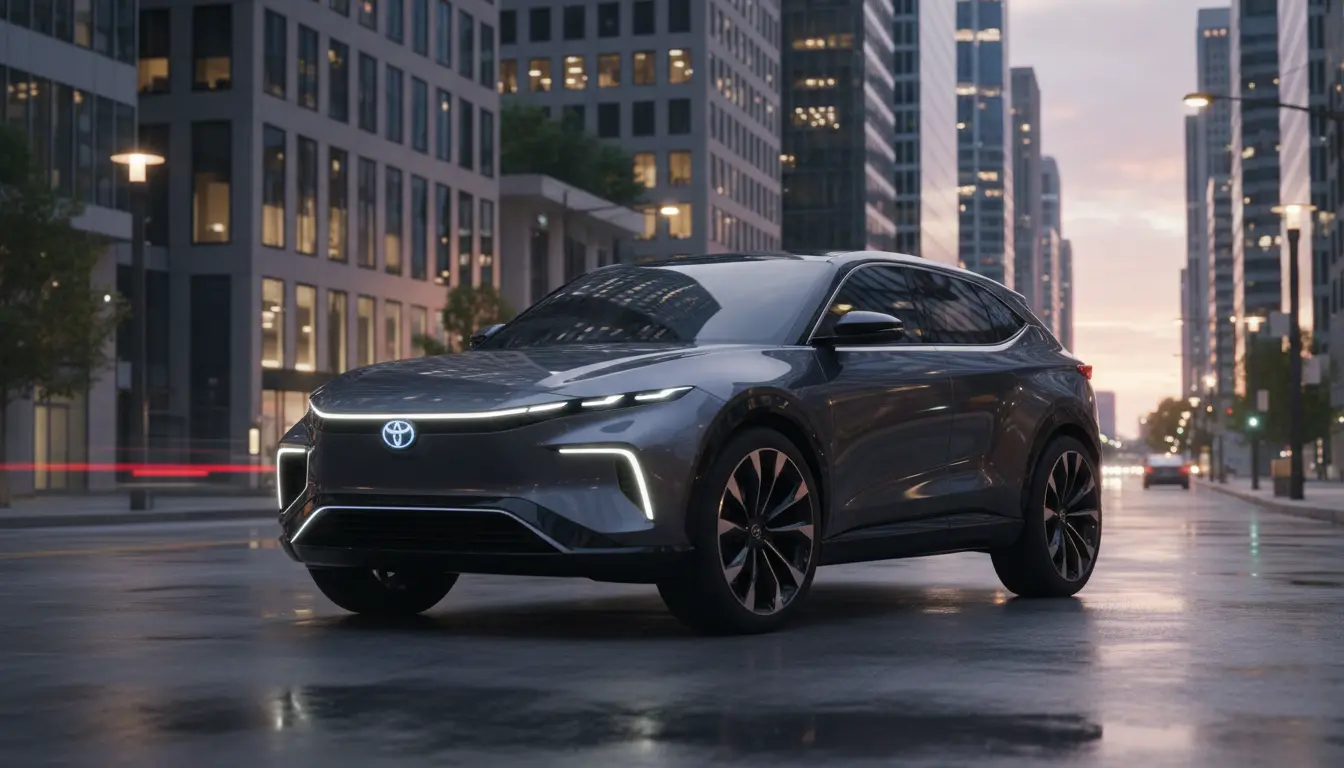
Toyota SUV 2026 overview
The Toyota SUV 2026 introduces a refreshed package focused on stronger performance, updated styling, and accessible pricing. This article summarizes key mechanical and design changes, trim options, running costs, and practical advice for buyers.
What’s new on the Toyota SUV 2026
Toyota reworked both the powertrain and exterior for 2026, aiming to balance spirited driving with everyday efficiency. Interior upgrades prioritize usability and modern cabin materials while keeping costs competitive.
Toyota SUV 2026 engine and performance
The headline for 2026 is a more powerful engine lineup that still targets fuel economy. Toyota offers a standard efficient four-cylinder and an available higher-output turbo option for drivers who want stronger acceleration.
Key performance points:
- Standard engine: tuned for daily driving and fuel efficiency.
- Performance option: turbocharged variant with noticeably improved torque for highway merging and towing capability.
- Transmission: smooth automatic with revised gear ratios for better responsiveness.
Handling and ride quality
Suspension and steering refinements make the Toyota SUV 2026 feel more composed in corners while remaining comfortable on rough roads. The chassis update reduces body roll without sacrificing ride comfort for most urban and suburban conditions.
Toyota SUV 2026 contemporary design and interior
The 2026 model shows a contemporary exterior with cleaner lines and a more upright stance. Visual updates are purposeful: improved aerodynamics, a fresh front fascia, and simplified lighting elements.
Inside, Toyota focuses on materials and layout that improve perceived quality and usability:
- Improved infotainment integration with faster processors and standard smartphone connectivity.
- Higher quality soft-touch materials in frequently used areas.
- Flexible seating and cargo layout for families and weekend utility.
Practical interior features
Standard convenience features include multiple USB ports, wireless phone charging on higher trims, and driver assistance technology carried over and upgraded from previous models.
Pricing and trim levels for Toyota SUV 2026
Toyota positions the 2026 SUV to compete on value. Base trims aim to be budget-friendly, while mid and top trims add performance and convenience features without steep price jumps.
Typical trim structure (examples):
- Base: essential tech, safety suite, cloth seats — lowest price point for cost-conscious buyers.
- Mid: adds upgraded infotainment, driver aids, and improved interior finishes.
- Premium: performance engine option, advanced safety packages, and premium materials.
Budget-friendly buying tips
If price is a priority, consider the base or mid trims, which keep core safety and convenience features standard. Look for manufacturer incentives, end-of-quarter deals, or certified pre-owned options to reduce cost.
Fuel economy and ownership cost
Toyota maintains competitive fuel economy with small displacement engines and efficient transmissions. The turbo option improves power but may slightly raise fuel use compared with the base engine.
Ownership costs to consider:
- Fuel: compare expected mpg between trims before deciding.
- Maintenance: Toyota’s reputation for reliability can lower long-term service costs.
- Resale: historically strong for Toyota SUVs, which helps total cost of ownership.
Toyota often staggers features across trims to keep entry pricing low while offering meaningful upgrades at modest premiums. Choosing the right trim can save thousands over the life of the vehicle.
Who should consider the Toyota SUV 2026
The 2026 Toyota SUV is a fit for practical buyers who want modern styling and improved performance without a luxury price. Families, commuters, and value-focused buyers will find the balance appealing.
Ideal buyer profiles:
- Young families needing flexible cargo and user-friendly safety features.
- Commuters who want a comfortable ride and good fuel economy.
- Buyers who plan to keep the car long-term and value Toyota’s reliability.
Real-world example: A buyer case study
Case: Sarah, a 35-year-old teacher in a mid-sized city, needed an affordable SUV for daily commuting, occasional road trips, and transporting her child’s gear. She chose the mid trim for an extra safety package and heated seats.
Results after six months:
- Average fuel cost: moderate — consistent with city/highway driving expectations.
- Comfort: improved driving confidence with upgraded driver assistance features.
- Value: she found the combination of standard safety tech and a reasonable price the deciding factor.
Buying checklist for the Toyota SUV 2026
Follow this simple checklist before you buy to make a practical decision:
- Test drive both the standard and turbo options to compare real-world performance.
- Compare trims for must-have features versus nice-to-have upgrades.
- Factor in insurance, fuel, and potential maintenance costs.
- Check for local incentives, dealer discounts, and certified pre-owned availability.
Final thoughts on the Toyota SUV 2026
The Toyota SUV 2026 balances a more powerful engine lineup, contemporary design, and budget-aware pricing to appeal to a wide audience. Practical buyers will appreciate the improved performance and sensible feature distribution across trims.
When shopping, focus on the combination of engine choice, trim content, and long-term ownership costs to find the best fit for your driving needs.