
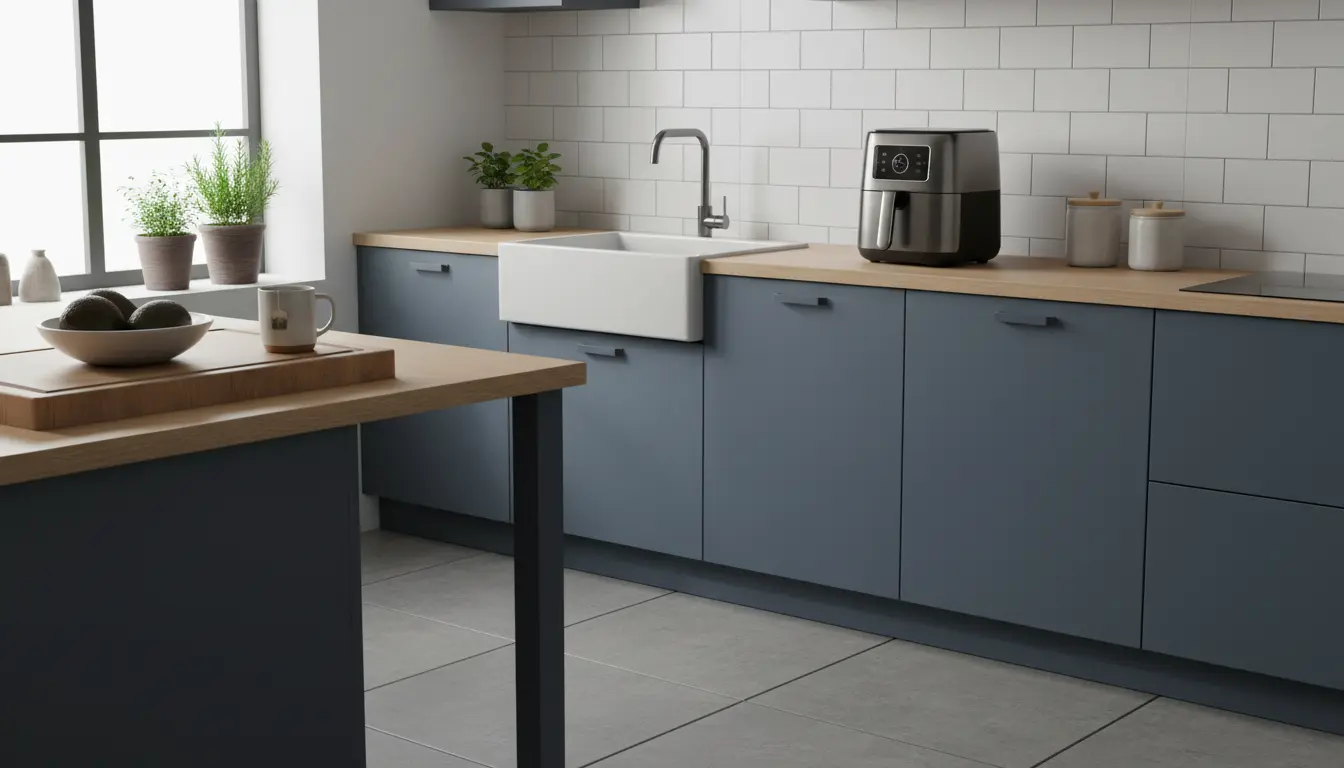
What the change means: UK Households Using Air Fryers May Be Charged 126 Pounds Starting in March 2026
From March 2026 some UK energy or network charges may apply specifically to households with certain high-power appliances, including air fryers. The announcement means qualifying households could see an extra one-off or annual cost of around 126 pounds.
This article explains who is likely to be affected, why the charge exists, how it might be calculated, and practical steps you can take to reduce or avoid the cost.
Why UK Households Using Air Fryers May Be Charged 126 Pounds Starting in March 2026
The proposed charge is linked to efforts by network operators to manage peak demand and to fund upgrades. Air fryers are compact but can draw significant power for short periods, contributing to peak load when many devices run at once.
Regulators may introduce targeted charges to reflect the cost of supporting the grid when usage patterns create localized stress. The 126 pound figure has been reported as an estimated added cost for certain households.
Who is most likely to be affected
Not every air fryer user will face the charge. It is likely to target households that meet one or more of the following criteria:
- Live in areas with constrained local network capacity
- Are on specific tariff types or standing charge arrangements
- Use multiple high-power devices simultaneously during peak hours
Check communications from your energy supplier or local distribution network operator to see if your address is in scope.
How the 126 Pounds Charge Might Be Calculated
Exact calculation methods will depend on regulator and network rules. Typical elements include a fixed component and a usage-related component.
- Fixed surcharge per household to recover upgrade costs
- Usage-based recovery tied to peak demand contributions
- Time-of-use adjustments if on smart tariffs
For example, a 126 pound figure could represent a year of additional costs spread across affected properties, or a one-off recovery fee for a network upgrade project.
What data networks will use
Networks may use smart meter data, declared appliance lists, or average usage models to estimate contribution to peak load. Smart meters make it easier to identify peak periods and high-draw devices.
If you do not have a smart meter, estimates will likely be based on typical consumption patterns for similar properties.
Practical Steps to Reduce or Avoid the Charge
Even if your household is in scope, you can take practical steps to lower the extra cost or reduce your contribution to peak demand.
- Shift heavy cooking to off-peak times, such as late morning or early afternoon
- Stagger use of high-power appliances: do not run oven, air fryer and kettle at the same time
- Consider using lower-power settings or smaller batches in the air fryer
- Install or use a smart plug or smart meter to monitor and manage appliance usage
Small behavioural changes can reduce measured peak load and therefore your likely contribution to the surcharge.
Appliance efficiency tips
Air fryers are typically more efficient than conventional ovens for small portions. To maximise efficiency:
- Preheat only when necessary
- Cook full but not overloaded baskets
- Use residual heat where possible by turning off a few minutes early
Short duration high-power draws, like those from air fryers, can disproportionately affect peak demand metrics used to set some network charges. Reducing simultaneous use of several devices during peak windows can lower measured peaks.
How to Check If You Will Be Charged
Your supplier or local network operator should notify affected customers in advance. Watch for:
- Letters or emails titled with billing or network updates
- Updates in your online energy account dashboard
- Smart meter messages or tariff change notifications
If in doubt, contact your supplier and ask whether your address is included in the scheme and how the 126 pound estimate was derived.
Questions to ask your supplier or network operator
- Is my property on the affected list for the March 2026 charge?
- Is the 126 pound charge a one-off or annual cost?
- How was my household’s contribution to peak demand measured?
- Are there exemptions or discounts for vulnerable customers or low-income households?
Small Case Study: One Household’s Response
Emma, a renter in a terraced home in northern England, received a notice showing her area might face the 126 pound figure. She did three things:
- Checked her energy account and called her supplier for clarification
- Changed cooking times to avoid 5pm to 8pm peak hours
- Bought a basic smart plug to track air fryer draws and stagger cycles
After two months she recorded lower evening peaks and expected the network estimate of her contribution to fall. The practical takeaway is small changes can reduce measured peaks and lower extra charges.
Final practical advice
Stay informed by reading supplier notices and using your smart meter or energy app. Small, consistent changes to when and how you use high-power appliances like air fryers can make a measurable difference.
If you are concerned about affordability, ask about exemptions, payment plans or support schemes available from your supplier or local authority.
Keeping usage data and asking the right questions will help you understand any potential 126 pound charge and take steps to limit its impact on your household finances.