
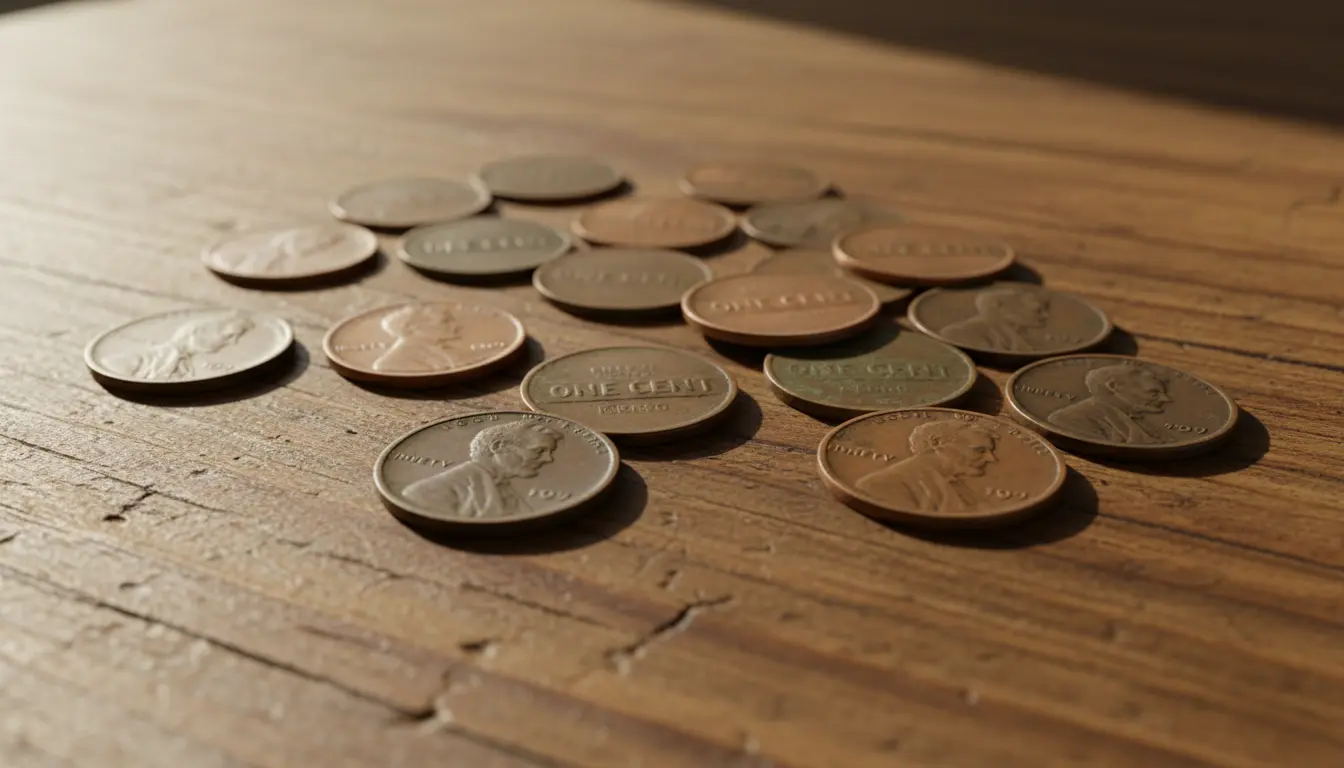
Wheat Penny Value Guide 2026: Quick Overview
Wheat pennies (Lincoln cents with wheat ears on the reverse) were minted from 1909 to 1958. Collectors value them for age, rarity, condition, and mint errors.
This guide explains which dates matter in 2026, how values are set, and simple steps to identify coins worth more than face value.
How Wheat Penny Value Is Determined
Three main factors set a wheat penny’s market value: date and mintmark, condition (grade), and rarity or errors. Demand among collectors also influences prices.
Condition grading ranges from Good (G) to Mint State (MS). Even small differences in grade can change a penny’s value significantly.
Key grading points
- Wear: Look for details on Lincoln’s hair and the wheat stalks on the reverse.
- Strike: A stronger strike increases value, especially on early dates.
- Surface: Scratches, cleaning marks, and corrosion reduce price.
Dates and Mintmarks to Watch in 2026
Not every wheat penny is rare. Focus on known scarce dates and mintmark combinations when evaluating value.
Important scarce and popular types include:
- 1909-S VDB and 1909-S: First year with designer initials V.D.B.; some varieties are rare.
- 1914-D: A key date often worth a premium in higher grades.
- 1922 No D: A famous overproof or missing mintmark variety that can be valuable.
- 1931-S and 1931: Lower mintage years collectors prize, especially in extra fine to mint state.
- 1955 Doubled Die Obverse: Popular variety that commands collector interest.
Mintmarks and where to find them
Mintmarks appear under the wreath on the reverse or below the date on some early coins. Common mintmarks are D (Denver), S (San Francisco), and no mark (Philadelphia).
Condition Tips: What to Look For
Condition drives value. Avoid cleaned coins and heavily scratched pieces. Collectors pay premiums for uncirculated surfaces and original luster.
Use a magnifier to check details. Look for:
- Sharpness on Lincoln’s cheek and hair.
- Distinct separation between wheat stalk lines.
- Even color—original red or brown tones are preferred over artificial shine.
Common problems that lower value
- Cleaning or polishing that leaves hairlines or unnatural shine.
- Corrosion, pitting, or heavy scratches.
- Environmental damage like verdigris or green spots.
Wheat cents were replaced in 1959 by the Lincoln Memorial reverse. The 1909-S VDB is one of the earliest highly sought wheat pennies and remains a key collector date.
Spotting Error Coins and Varieties
Error coins and distinct varieties often fetch higher prices than typical circulation examples. Common valuable types include doubled dies, repunched mintmarks, and planchet errors.
Steps to identify potential errors:
- Use 5x–10x magnification to look for doubling on the date and letters.
- Look for off-center strikes, clipped planchets, or wrong-metal planchets.
- Compare suspect coins to verified reference images or ask an expert for verification.
Examples of sought-after errors
- 1955 doubled die obverse — visible doubling on date and motto.
- 1943 bronze or copper cents — rare planchet errors that occurred when copper blanks were mistakenly used.
- 1922 No D overdate or repunched mintmarks — specialist varieties attract collectors.
Buying and Selling Wheat Pennies in 2026
When buying, insist on clear condition photos and buy from reputable dealers or auction houses. When selling, get coins graded or get multiple price opinions.
Online marketplaces and specialized coin shows can give good price references, but auction sales and certified auction house results set the best market comparisons.
Simple seller checklist
- Photograph both sides under neutral light.
- Note date, mintmark, and any visible errors.
- Compare recent auction results for similar grade and variety.
Case Study: A Small Discovery
One collector bought a jar lot at a local estate sale and found a 1955 doubled die obverse in circulated condition. After researching, the collector had the coin authenticated by a third-party grading service.
The authenticated variety sold at a specialist auction. The case shows how modest purchases can include valuable pieces when attention to details and authentication are applied.
Final Checklist Before You Buy or Sell
- Identify date and mintmark accurately.
- Assess condition with a loupe or magnifier.
- Look for doubling, missing mintmarks, or strange planchets.
- Compare to recent auction prices for the same grade and variety.
- Consider professional grading for high-value coins.
Use this Wheat Penny Value Guide 2026 as a practical reference. With careful inspection and basic research you can find and trade wheat pennies confidently in 2026.