
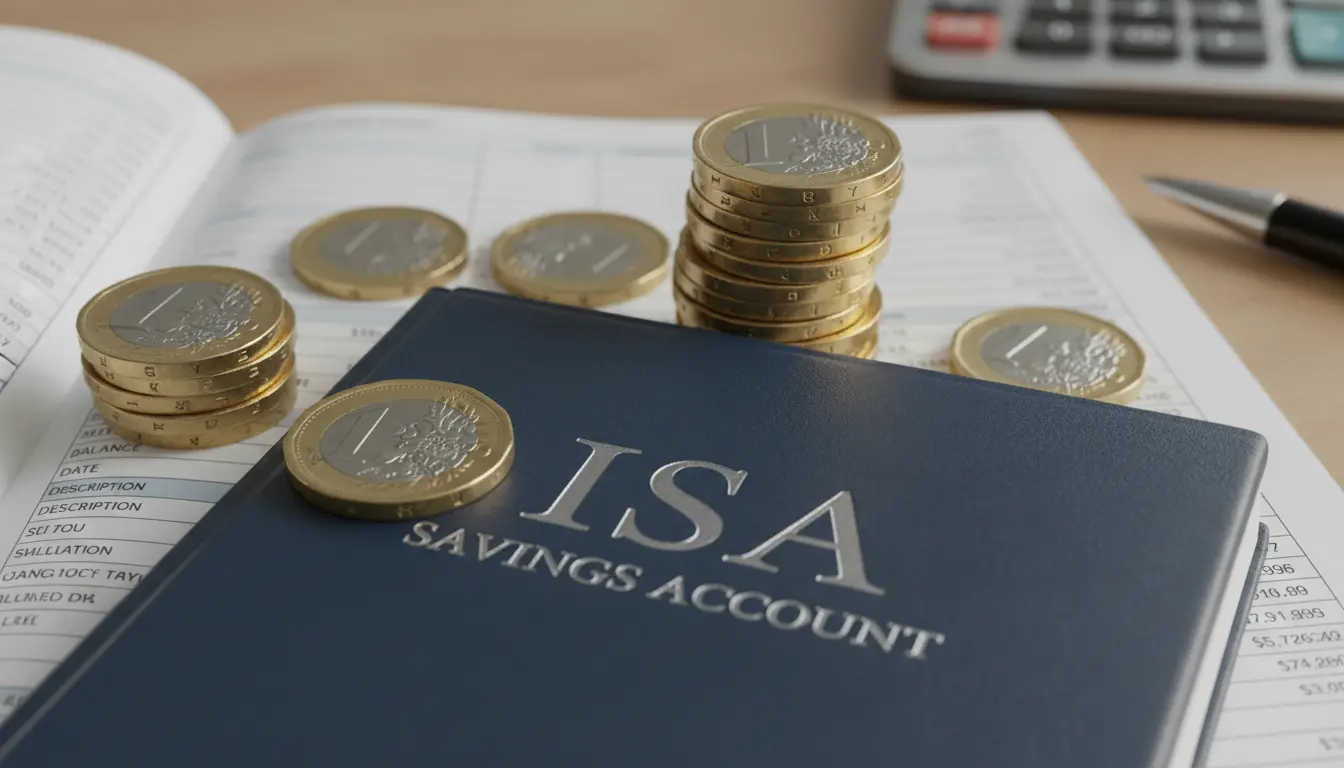
HM Revenue & Customs (HMRC) has highlighted a Cash ISA loophole that could lead to a new 20% penalty for some savers. This guide explains who might be affected, why the penalty could apply, and clear steps you can take to check your ISA and avoid unexpected tax bills.
What is the HMRC Cash ISA loophole?
The term Cash ISA loophole refers to arrangements or errors that may unintentionally remove the tax-free status of interest earned in an ISA. HMRC has signalled it will target certain schemes or administrator errors that result in unauthorised tax advantages.
Where HMRC considers a breach deliberate or part of an avoidance arrangement, it may apply higher penalties. One headline measure being discussed is a 20% penalty based on the tax advantage the saver gained.
How the 20% penalty could work
HMRC’s penalty framework typically aims to recover lost tax and apply an additional charge for non-compliance. The new 20% figure would act as a penalty on top of any tax that should have been paid on income that lost its ISA protection.
Key points to understand:
- Penalty is likely calculated on the tax advantage rather than the total savings amount.
- It may be applied when HMRC identifies schemes, transfers, or administrative errors that break ISA rules deliberately or negligently.
- Penalties can be reduced if you disclose the problem voluntarily and cooperate with HMRC.
Common scenarios that could trigger the penalty
Not all ISA problems will attract a 20% penalty. HMRC will focus on cases that involve deliberate or careless breaches of rules. Examples include:
- Incorrect transfers between ISAs that result in subscriptions exceeding annual limits.
- Use of schemes designed to disguise taxable interest as tax-free ISA income.
- Failing to return or declare interest if an ISA loses its status due to provider or account-holder action.
How to check if your Cash ISA is at risk
Take these practical steps to review your ISA position. They are simple actions that can reduce the chance of a penalty.
- Review annual subscription records to ensure you did not exceed the yearly allowance.
- Check transfer paperwork to confirm funds moved correctly between accounts and providers.
- Request statements from your ISA provider showing interest credited and any administrative charges.
- Look for notices from providers about changes to account status or reclassification of interest.
What to do if you find an issue
If your check uncovers a possible breach, act quickly. Voluntary disclosure to HMRC usually reduces penalties and demonstrates cooperation.
- Contact your ISA provider to get a written explanation and any corrected statements.
- Consider a voluntary disclosure to HMRC explaining the error and the steps taken to fix it.
- Seek professional tax advice for significant sums or complex arrangements.
Record-keeping and evidence
Good records are your best defence if HMRC queries your ISA. Keep documents for transfers, subscriptions, provider communications, and interest statements.
Useful records to keep include:
- Transfer forms and confirmation letters from providers.
- Annual ISA allowance use summaries.
- Bank statements showing deposits and withdrawals tied to your ISA.
HMRC can treat interest as taxable if an ISA loses its status. Prompt disclosure and documentation can reduce penalties and interest charges.
Case study: A small real-world example
Mark, a 52-year-old saver, transferred a lump sum from a workplace savings plan into a Cash ISA. The transfer form was filled out incorrectly and part of the money was treated as a new subscription in the same tax year, pushing him over the annual allowance.
HMRC later contacted Mark about the excess subscription. He obtained corrected paperwork from the ISA provider and made a voluntary disclosure. Because he acted quickly and provided full documentation, the tax charge was reduced and the penalty was lower than the maximum 20% figure.
When to get professional advice
If the amounts involved are substantial, or if a provider suggests a complex reclassification, speak to a tax adviser. Professional guidance can help you negotiate with HMRC and make the best case for reduced penalties.
Consider an adviser when:
- Multiple years of ISA activity are affected.
- There are linked accounts or offshore elements.
- You are unsure whether an arrangement looks like tax avoidance.
Practical checklist to protect your Cash ISA
- Confirm subscription totals each tax year and keep receipts.
- Always use official transfer processes when moving ISAs between providers.
- Keep correspondence from providers showing account classifications.
- Make voluntary disclosures quickly if you suspect an error.
- Get professional help for complex or high-value issues.
HMRC’s attention to Cash ISA loopholes is a reminder that tax-free status depends on following the rules. With simple checks, careful record-keeping, and prompt action when problems arise, most savers can avoid penalties and protect their tax-free savings.
If you are unsure about your position, contact your ISA provider or a qualified tax professional as soon as possible.